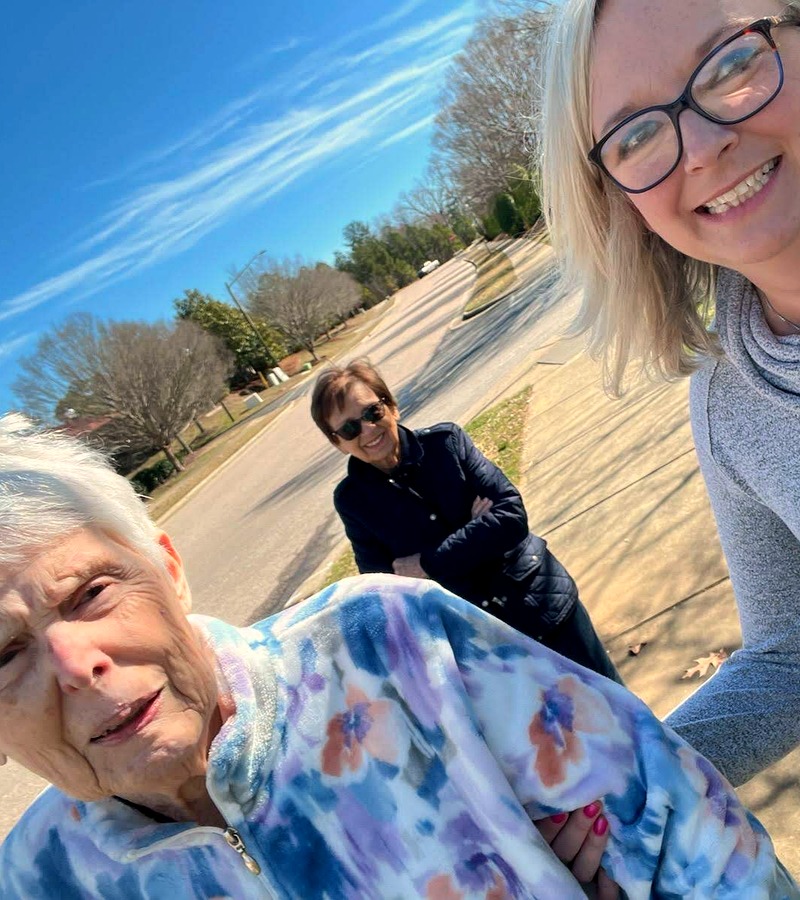
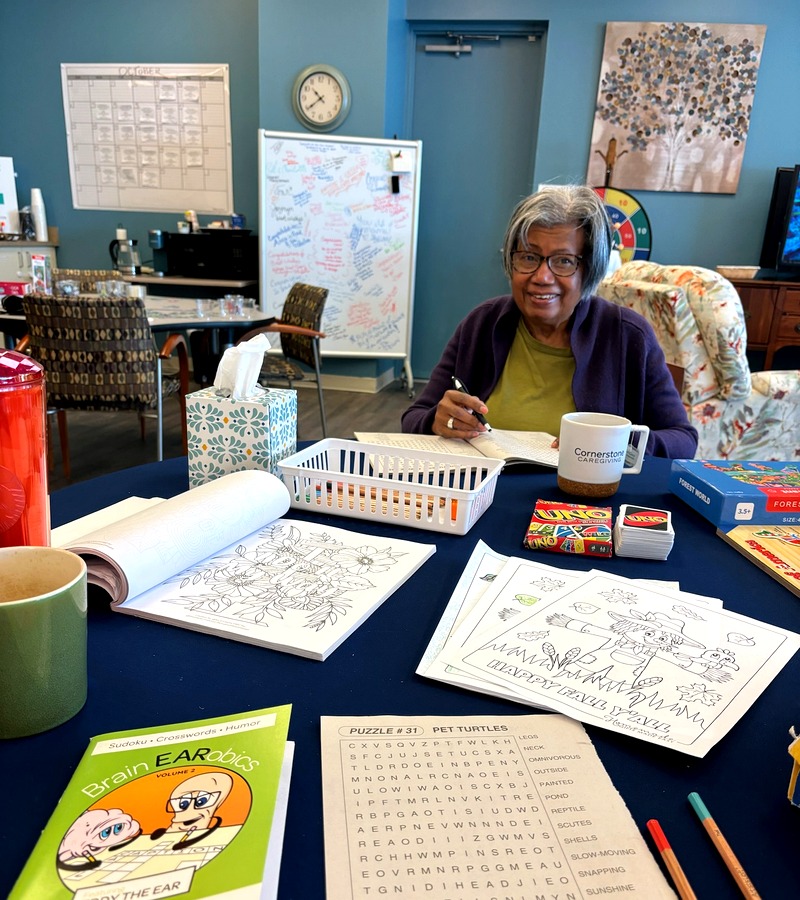
Your parent has just been diagnosed with vascular dementia, and you’re trying to understand what comes next. Most families quickly realize this is not simply “memory loss.” Suddenly you are navigating medical appointments, medication changes, stroke risk, safety concerns, mood and personality changes, caregiving decisions, and long-term planning. The Aging Care Matters team is here to help you. Vascular dementia is caused by reduced blood flow to the brain, often related to: For caregivers, one of the biggest differences is that vascular dementia often progresses in noticeable “steps” rather than a slow, steady decline. Families may see periods of stability followed by sudden worsening after: Vascular dementia also commonly affects: …sometimes even more than memory early on. Another important difference is that managing cardiovascular risk factors can sometimes slow progression in ways that are less likely with Alzheimer’s disease. Blood pressure control, diabetes management, stroke prevention, and smoking cessation matter enormously in vascular dementia care. Families are often surprised that vascular dementia may look different from the stereotypical Alzheimer’s presentation, especially early on. Families often notice: Vascular dementia progression is often less predictable and less linear than Alzheimer’s disease because changes may occur suddenly after new vascular events.
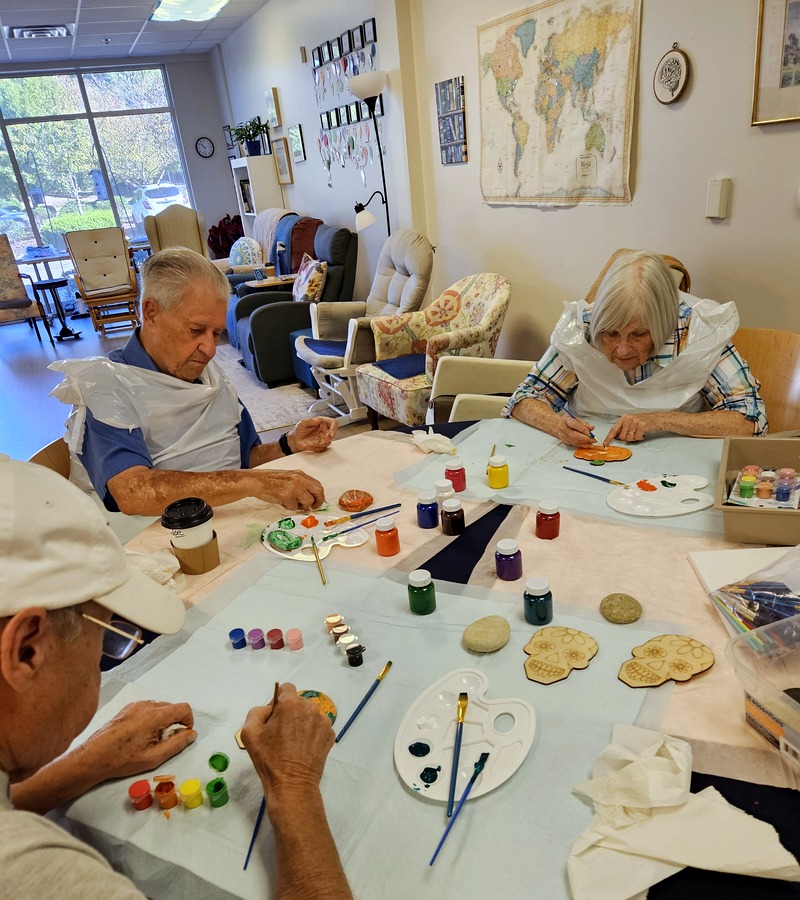
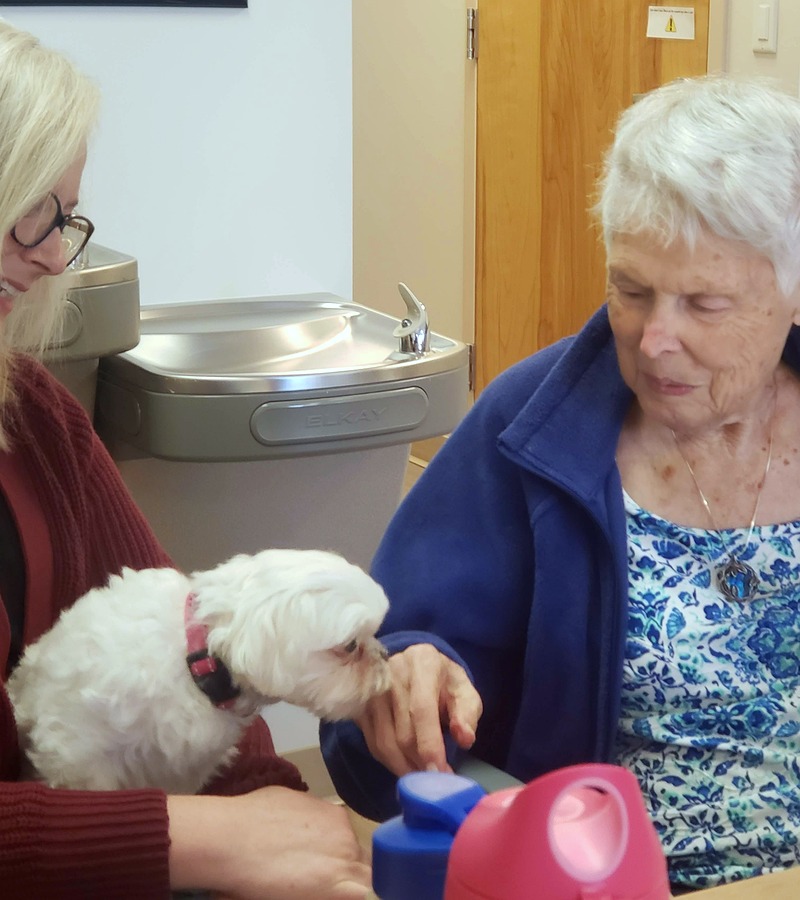
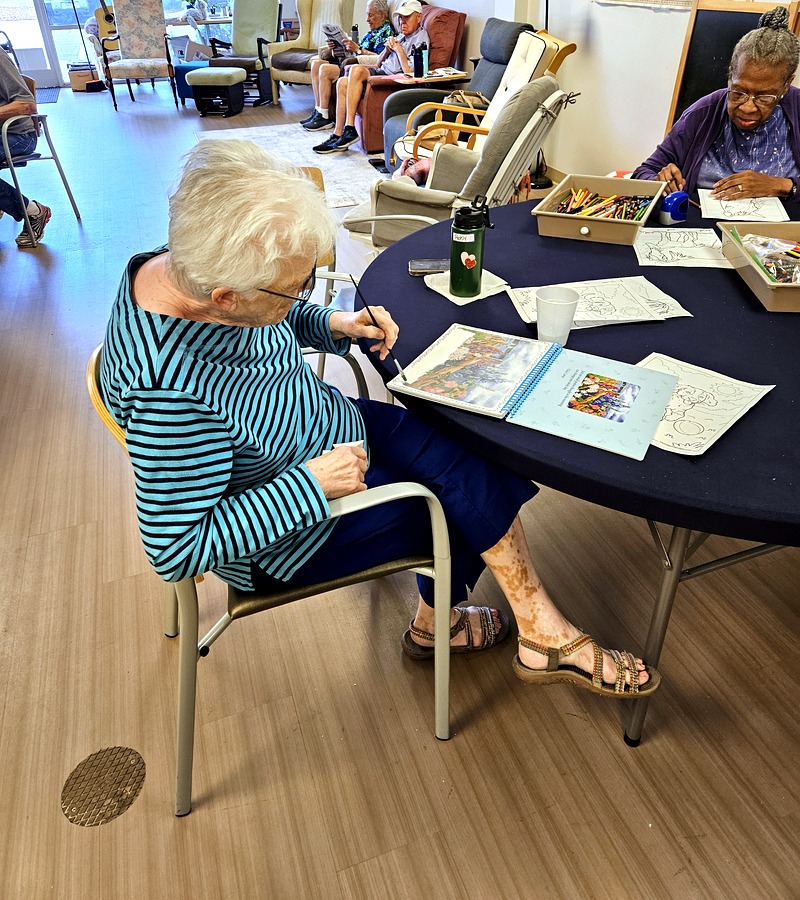
In-home care is often the better fit when vascular dementia is combined with physical or mobility limitations, the person strongly resists leaving home, one-on-one support is needed, or evening and overnight supervision is required. Services may include supervision, personal care assistance, mobility assistance, meal preparation, medication reminders, companionship, and dementia cueing and redirection. In North Carolina, in-home dementia care typically averages around $35–$40+ per hour, with costs increasing substantially when families require long daytime coverage, overnight care, or 24/7 supervision. When vetting an agency, families should ask whether caregivers are dementia-trained, how staffing consistency is handled, what happens if a caregiver calls out, whether background checks are completed, whether supervision is provided, and how experienced caregivers are with mobility decline and fall risk. The relationship and consistency of the caregiver often matter just as much as the agency itself. Adult day care is often an excellent option during the early-to-middle stages of vascular dementia, especially when the person still benefits from routine, engagement, and daytime structure. It often works best when the parent is still socially engaged, when a structured routine improves mood and functioning, when daytime isolation is increasing, when the caregiver needs predictable weekday respite, or when the family cannot afford to sustain full-time in-home care. Structured programs may help reduce isolation, improve day/night routines, increase activity and stimulation, support cognitive engagement, and reduce caregiver burnout. Many families notice participants become more engaged, more alert, and more emotionally stable with regular routine and socialization. If your family is navigating dementia and feeling overwhelmed, a free 30-minute consultation can help clarify next steps and available support options. Aging Care Matters helps families coordinate both dementia care and cardiovascular and stroke-related medical care. Our care management team assists with medical appointment coordination, hospital discharge planning, medication oversight, safety planning, family meetings, long-term care planning, resource navigation, and crisis intervention after vascular events. Our Adult Day Centers provide dementia-informed programming designed to support structure and routine, cognitive engagement, socialization, supervision, and caregiver respite. Locations include Wake Forest and Durham – Golden Horizons. Our team understands the combined cognitive and physical challenges many vascular dementia families face. Families often contact us after a stroke, a hospitalization, a sudden cognitive decline, unsafe falls, or caregiver burnout. We help families stabilize the situation, understand options, and create more sustainable care plans moving forward. If your family is navigating vascular dementia and feeling overwhelmed, a free 30-minute consultation can help clarify next steps and support options. If you are feeling overwhelmed and unsure what steps to take next, we invite you to schedule a free 30-minute consultation. There is no pressure and no obligation – just an opportunity to talk through your concerns with an experienced aging care professional. Call us at 919-525-6464 or schedule a consultation to discuss: Alzheimer’s disease usually progresses gradually over time. Vascular dementia often progresses in “steps,” with noticeable changes after strokes, TIAs, or other vascular events. Vascular dementia itself is not usually inherited in a simple way. However, risk factors such as high blood pressure, diabetes, heart disease, stroke risk, and some vascular conditions can run in families. Vascular dementia usually cannot be reversed once brain injury has occurred. However, managing stroke and cardiovascular risk factors may help slow further decline. Life expectancy varies widely depending on age, stroke history, cardiovascular health, diabetes, mobility, and other medical conditions. Some people live many years after diagnosis, while others decline more quickly after repeated vascular events. Not always. Some people develop vascular dementia after a major stroke, while others develop it from multiple small strokes, TIAs, or chronic reduced blood flow affecting the brain over time. The best care depends on the stage and symptoms. Many families use a combination of medical management, home safety changes, caregiver support, adult day care, in-home care, and eventually memory care or skilled nursing if needs increase.
Vascular Dementia Care for Aging Parents
Learn More
Contact Our Team
How Vascular Dementia Differs From Alzheimer’s

Recognizing the Symptoms in Your Parent
The Stages of Vascular Dementia — and What They Mean for You as the Caregiver
Stage
What the Parent May Look Like
What the Caregiver Should Focus On
What To Plan For Next
Early Stage
Mild cognitive slowing, financial mistakes, difficulty multitasking, mild mood changes, increased frustration
Medical follow-up, legal & financial planning, medication oversight, home safety, monitoring driving
Increasing supervision, support services, respite care, cognitive decline after future vascular events
Middle Stage
Increased confusion, need for ADL support, falls or mobility decline, personality or behavioral changes, greater supervision needs
Structured routines, safety monitoring, medication management, adult day care or in-home support, caregiver burnout prevention
24/7 supervision planning, mobility equipment, higher care needs, residential care discussions
Late Stage
Significant dependence, mobility impairment, incontinence, limited communication, increased medical complexity
Comfort, dignity, fall prevention, medical coordination, end-of-life planning
Skilled nursing or memory care, hospice discussions, increased caregiver support
When In-Home Care for Vascular Dementia Is the Right Answer
When Adult Day Care for Vascular Dementia Is the Right Answer
How Aging Care Matters Helps Triangle Families With Dementia
Care Management
Adult Day Centers
Crisis Support After Vascular Events
A Note From Carla, Our Owner and Founder
Vascular Dementia FAQ
What’s the difference between vascular dementia and Alzheimer’s?
Is vascular dementia hereditary?
Can vascular dementia be reversed?
What is the life expectancy with vascular dementia?
Does vascular dementia always happen after a stroke?
What kind of care is best for vascular dementia?
