Bringing a parent home after a stroke is one of the hardest transitions a family makes. The team at Aging Care Mattes is here to help make that transition and care as easy as possible. Most families leave the hospital feeling overwhelmed by: Stroke recovery often requires families to become caregivers almost overnight. Adult children and spouses quickly find themselves coordinating therapies, monitoring symptoms, helping with bathing or transfers, managing medications, and trying to prevent another hospitalization while emotionally processing what just happened. In-home support is often the best fit when stroke recovery leaves the person with significant physical or communication challenges. The parent may need help with: Physical caregiving often becomes too demanding for one family member alone. Some stroke survivors require: Stroke survivors with communication impairment often benefit from: Group environments may feel overwhelming during certain recovery stages. In-home caregivers can provide: Adult day care can help stroke survivors continue rebuilding routine, confidence, and social engagement after the initial rehabilitation phase. Many stroke survivors lose momentum after formal therapy ends. Structured daytime programming helps maintain: Post-stroke isolation and depression are extremely common. Adult day programs provide: Many families notice mood improves significantly when the parent reconnects socially. Caregiving for a stroke survivor is exhausting, especially during the first year. Adult day care provides caregivers time to: The transition from hospital or rehab back home is one of the most overwhelming parts of stroke recovery for families. Our care management team helps coordinate: We help families move from crisis and confusion into a more organized recovery plan. After formal rehabilitation slows down, many stroke survivors become isolated, inactive, or emotionally withdrawn. Our Adult Day Centers provide: Many stroke survivors benefit emotionally from reconnecting with routine and community after the isolation that often follows hospitalization. Families often contact us during: Our role is to help stabilize the situation, clarify options, and support families through the next stage of recovery. If your family is navigating stroke recovery and feeling overwhelmed by the medical, physical, or emotional demands, a free 30-minute consultation can help clarify support options and next steps. If you are feeling overwhelmed and unsure what steps to take next, we invite you to schedule a free 30-minute consultation. There is no pressure and no obligation – just an opportunity to talk through your concerns with an experienced aging care professional. Call us at 919-525-6464 or schedule a consultation to discuss: Recovery varies widely depending on the type of stroke, severity, age, medical history, and access to rehabilitation. The fastest gains often happen in the first 3 months, but improvement can continue for years. Some stroke survivors recover significant mobility, while others continue needing assistance or mobility devices long term. Early rehabilitation and consistent therapy improve outcomes. A stroke causes lasting brain injury due to interrupted blood flow. A TIA (“mini-stroke”) causes temporary symptoms without permanent damage but is a major warning sign for future stroke risk. Yes. Recovery and improvement can continue beyond the first year, especially with ongoing movement, exercise, speech work, and cognitive engagement, although gains are often slower. Strokes can directly affect emotional regulation and also create grief, frustration, fear, and depression related to sudden life changes and loss of independence. Families should consider increasing support when:
Parkinson’s Home Care for Aging Parents
Learn More
Contact Our Team
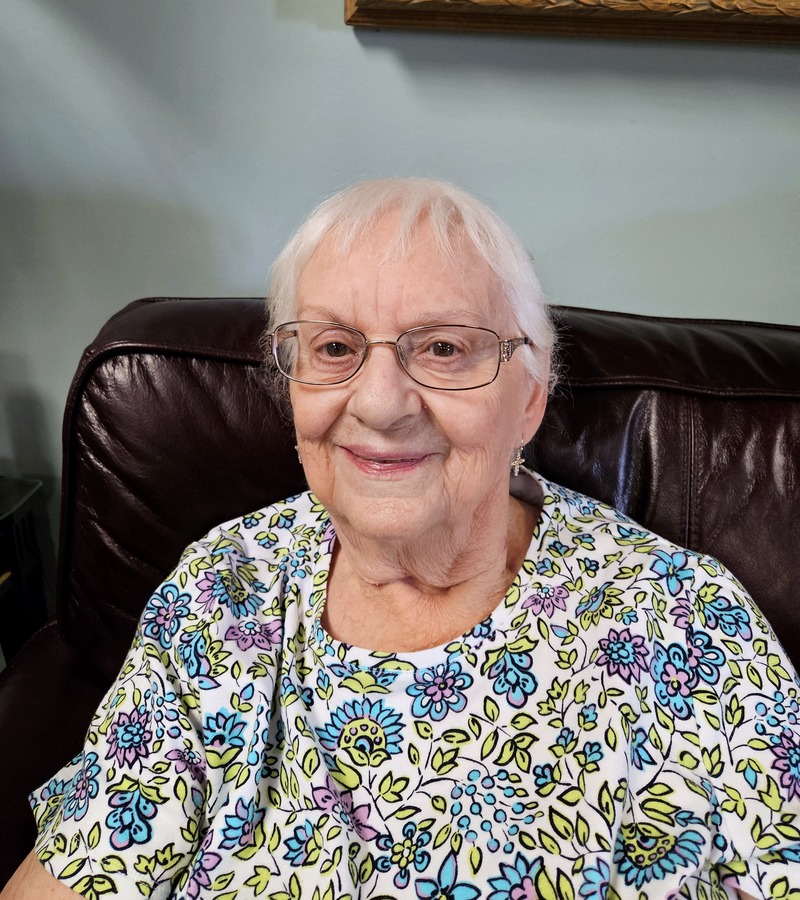
Stroke: What Families Need to Know

The Stroke Timeline – What Each Stage Means for the Caregiver
Timeframe
Common Reality
Family Focus
Month 1: Acute Recovery & Therapy Ramp-Up
High fatigue, major adjustment period, frequent appointments, emotional overwhelm, significant dependence
Safety, medication management, therapy setup, preventing readmission, stabilizing routines
Months 1–3: Most Rapid Improvement
Often the period of fastest recovery gains; families may see improvement in mobility, speech, strength, endurance, and daily functioning
Consistent therapy participation, building routines, encouraging safe independence, preventing falls, monitoring emotional health
Months 3–6: Continued Progress, Often Slower
Progress continues, but may feel less dramatic; often emotionally difficult because families may expect recovery to happen faster than it realistically does
Long-term adaptation, sustainable caregiving, ongoing rehabilitation, home modifications, and emotional adjustment
Months 6–12: Plateau & Adaptation
Many stroke survivors reach a more stable “new normal”; families begin adjusting to lasting deficits, permanent lifestyle changes, ongoing support needs, chronic fatigue patterns, and long-term planning
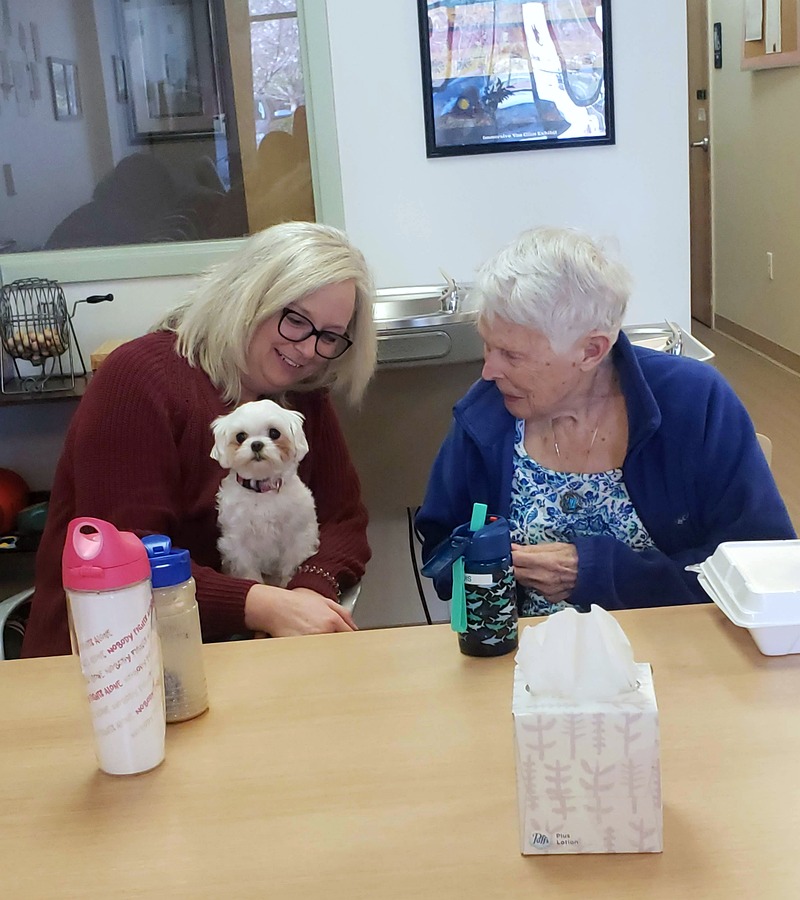
When In-Home Stroke Care Is the Right Answer
In-Home Care Often Helps When:
Significant Disability Requires Hands-On Assistance
The Family Needs 24/7 Coverage
Aphasia Makes One-on-One Communication Easier
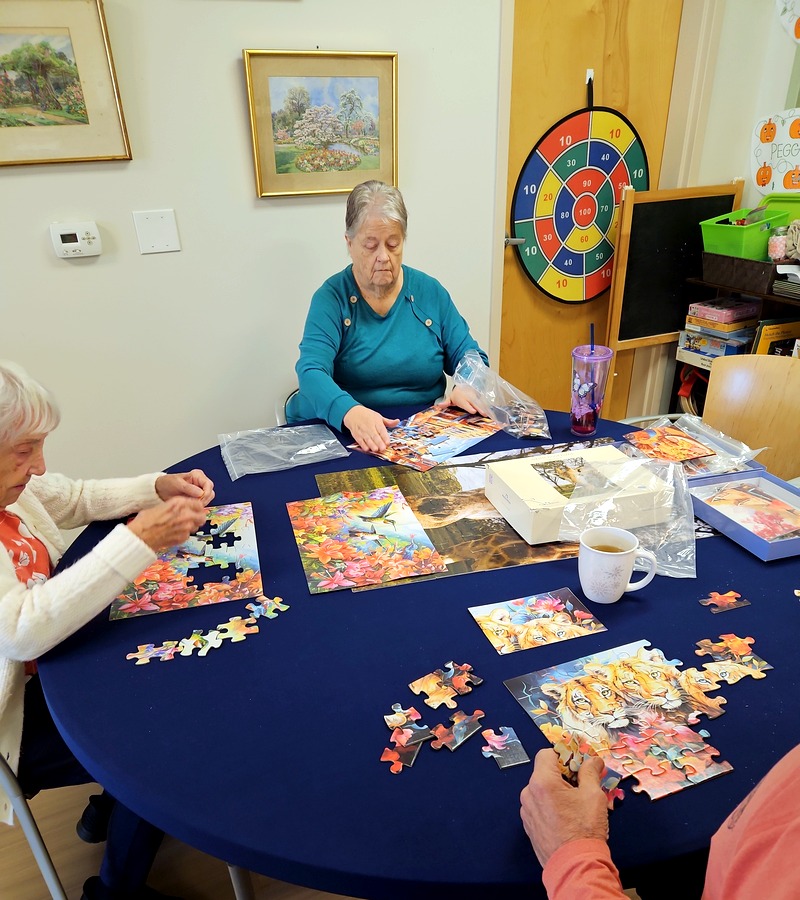
When Adult Day Care Supports Stroke Recovery
Adult Day Care Often Helps With:
Continued Activity & Structured Engagement
Social Re-Engagement
Caregiver Respite
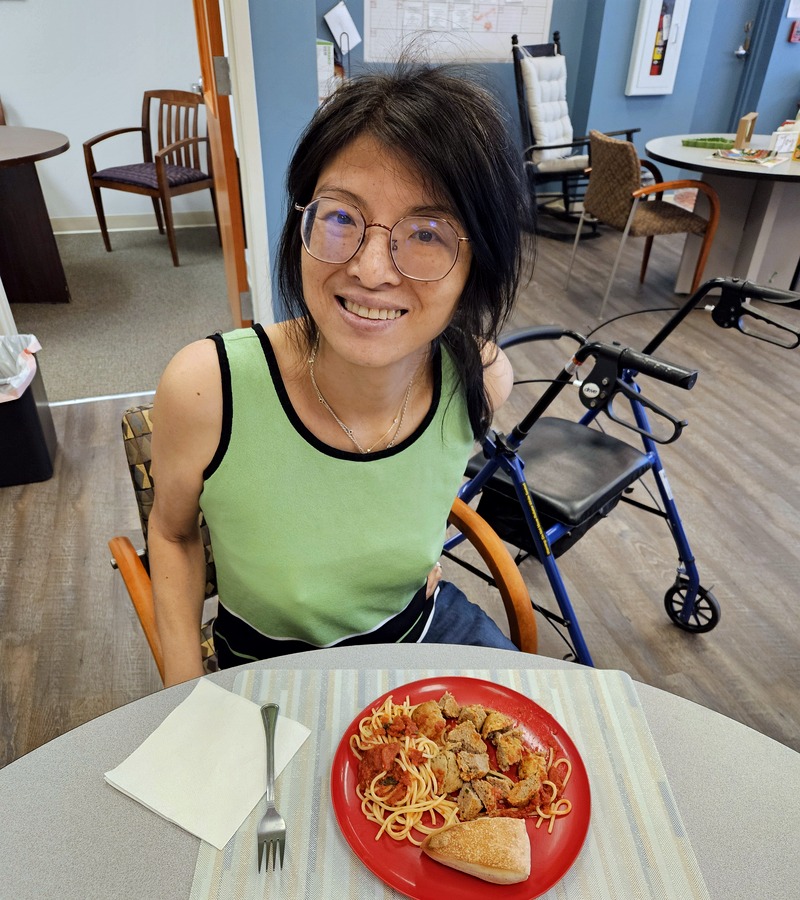
How Aging Care Matters Supports Stroke Families in the Triangle
Care Management During the Discharge Transition
Adult Day Centers for Ongoing Engagement
Crisis Support
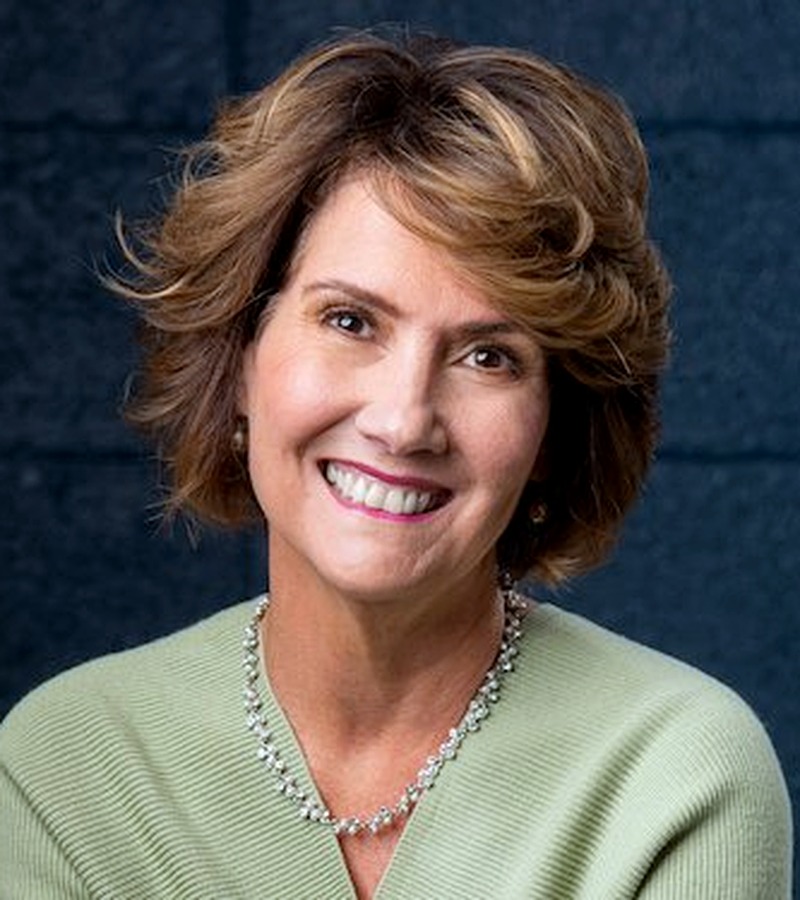
A Note From Carla, Our Owner and Founder
Stroke Recovery FAQ
How long does stroke recovery take?
Will my parent walk again?
What’s the difference between a stroke and a TIA?
Is therapy still helpful after the first year?
Why is my parent so emotional after the stroke?
When should we consider more support or supervision?
