Respite care provides short-term support so family caregivers can take a break from caregiving responsibilities. Respite care may happen: Respite allows caregivers time to: Many caregivers wait too long before accepting support and do not realize how burned out they have become until they are already in crisis mode. Research consistently shows that family caregivers without regular respite experience higher rates of: Caregiving is emotionally and physically demanding, especially when it continues for months or years without consistent support. Respite care is not a luxury or a sign of weakness. It is a necessary part of sustainable caregiving. Caregivers who receive regular breaks are often better able to: The healthiest caregiving situations are usually not the ones where caregivers “do everything alone,” but the ones where support systems are built before exhaustion reaches a crisis point. In-home respite care brings a caregiver into the home for a few hours so the primary caregiver can leave, rest, work, attend appointments, or simply take a break. Services may include: Common providers include: Most agencies require: For many families, in-home respite works best when the older adult is more comfortable staying home or needs one-on-one support in a familiar environment Adult day care is often the most cost-effective form of regular respite care for families needing consistent daytime support during the week. Adult day centers provide: While the older adult spends the day engaged and supported, caregivers gain predictable hours to: Compared to paying privately for one-on-one in-home care for the same number of hours, adult day care is typically a fraction of the cost while also providing meaningful socialization and routine for the participant. Our centers provide structured weekday respite Monday–Friday from 7:30 AM–5:30 PM in a relationship-centered, dementia-informed environment designed to support both participants and caregivers. Some assisted living and memory care communities offer short-term respite stays lasting anywhere from a few days to several weeks. These stays are often used when: Residential respite typically includes: Minimum stay requirements may apply Emergency respite care is short-term support arranged quickly when the primary caregiver suddenly becomes unable to provide care. Common situations include: Emergency respite options may include: The most common emergency respite situation we receive calls about is a caregiver becoming suddenly hospitalized, exhausted, or emotionally overwhelmed after trying to manage caregiving alone for too long. Families are often scrambling to create a plan while already in crisis. What we wish more families would pre-plan: The best emergency plans are usually those created before an emergency occurs. Respite care costs vary depending on the type of support, hours needed, level of care, and setting. Typically: $30–$40+ per hour in the Triangle area and it often requires 4-6 hour minimum shifts Typically: $80–$120 per day for full weekday support for 10 hours Adult day care is usually the most cost-effective option for families needing consistent daytime support. Typically: $500+ per day, depending on the level of care and whether memory care is needed Many caregivers wait until exhaustion forces them to seek expensive crisis solutions. Regular, planned respite earlier in the caregiving journey is often far more affordable – emotionally and financially – than waiting until burnout, hospitalization, or emergency placement occurs. Families often assume respite care is fully covered by Medicare — unfortunately, ongoing respite support usually is not. Coverage depends on the policy details, elimination period, and level of care required. Some long-term care insurance policies help cover: Eligible veterans and surviving spouses may qualify for VA benefits that help offset the cost of: Some North Carolina Medicaid waiver programs and county/state assistance programs may help cover respite-related services for qualifying individuals. Programs may include: Some families may qualify for respite support through the Medicare GUIDE Dementia Program, which can help cover adult day care respite services for eligible participants living with dementia. Traditional Medicare generally does NOT cover: Medicare coverage is usually limited to short-term skilled medical needs, not ongoing custodial or supervisory care. Because funding options can be confusing, many families benefit from speaking with a care manager, elder-law attorney, VA specialist, or aging-services professional to understand what programs may apply to their specific situation. Many caregivers wait until they are completely overwhelmed before taking a break. Research and real-life caregiving experience both show that regular, predictable respite works far better than waiting for occasional emergencies or rare weekends away. The pattern of respite matters more than the total number of hours. For many families, the most sustainable approach is: Examples may include: Many families discover that consistent daytime support – especially through adult day care – becomes the difference between “barely surviving caregiving” and creating a caregiving situation that Many caregivers feel guilty taking time for themselves. They worry: The reality is that exhausted, isolated, overwhelmed caregivers are at much higher risk for burnout, depression, health problems, resentment, and crisis-level exhaustion. Taking a break is not abandonment. It is part of good caregiving. Many caregivers are surprised to discover their loved one often benefits too: The healthiest caregiving situations are usually not the ones where one person sacrifices everything alone. They are the ones where support is accepted before exhaustion reaches a breaking point. Finding reliable respite care can feel overwhelming, especially when families are already exhausted. Many caregivers do not know where to begin or what type of respite support would best fit their situation. Helpful ways to find respite care in the Triangle include: Triangle-area resources include: Adult day care is also one of the most reliable and cost-effective forms of ongoing respite for many families. Our centers offer: For many families, the hardest part is simply taking the first step and asking for help before exhaustion becomes a crisis. Traditional Medicare generally does not cover ongoing respite care, adult day care, or long-term caregiver relief. Some limited respite may be available through hospice or certain specialty programs, but most families use private pay, long-term care insurance, VA benefits, or Medicaid-related programs. This is one of the biggest fears caregivers have. In reality, many older adults benefit from the socialization, routine, and interaction respite programs provide, especially once they become familiar with the environment and staff. Resistance is very common at first, especially with dementia or major changes in routine. Many families are surprised that, after an adjustment period, their loved one begins to enjoy the structure, social interaction, and familiarity. Regular, predictable respite usually works better than waiting until burnout or crisis occurs. Even one or two consistent breaks each week can make a major difference in caregiver stress and long-term sustainability. The best fit depends on the older adult’s needs and the caregiver’s situation. Some families do best with in-home respite, while others benefit more from adult day care or short-term residential respite. No. Respite care can help anytime caregiving responsibilities become physically or emotionally exhausting — even early in the caregiving journey. Most respite services begin with an assessment to understand the older adult’s needs, personality, routines, medical conditions, and level of support required. Starting before exhaustion reaches a crisis point usually creates a much smoother transition. Not at all. In fact, caregivers who accept support early are often able to continue caregiving longer and more successfully than those trying to manage everything completely alone.

What Is Respite Care?

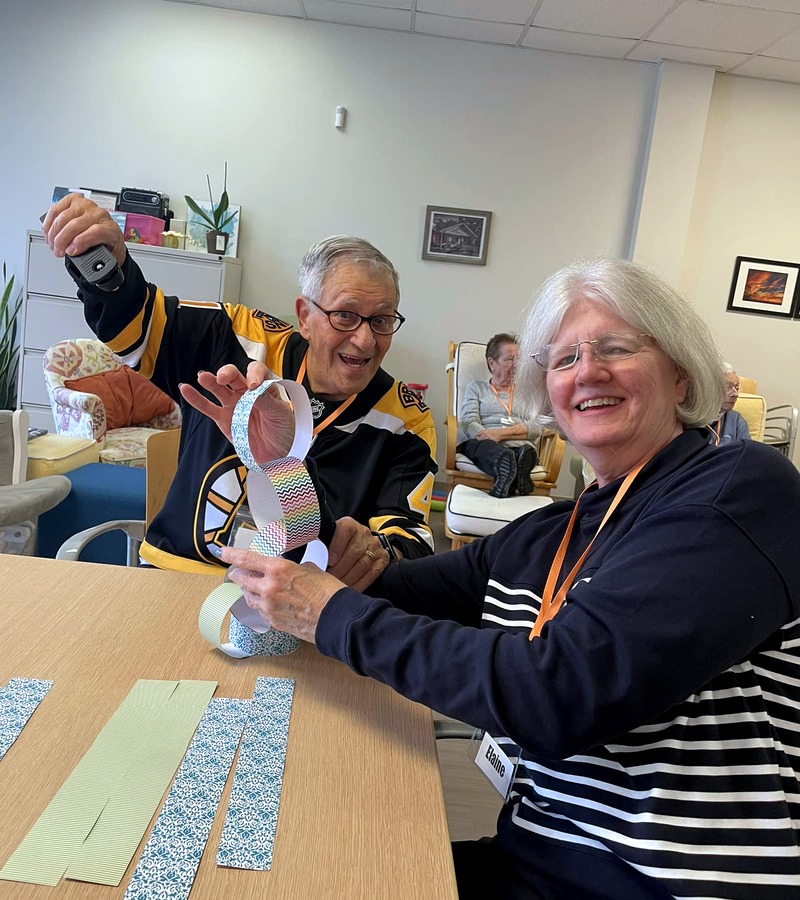
Why Respite Care Is Essential
Type 1: In-Home Respite Care
What To Expect


Type 2: Adult Day Care as Respite
Wake Forest
Durham West
Type 3: Overnight or Short-Stay Residential Respite
Important Things To Know

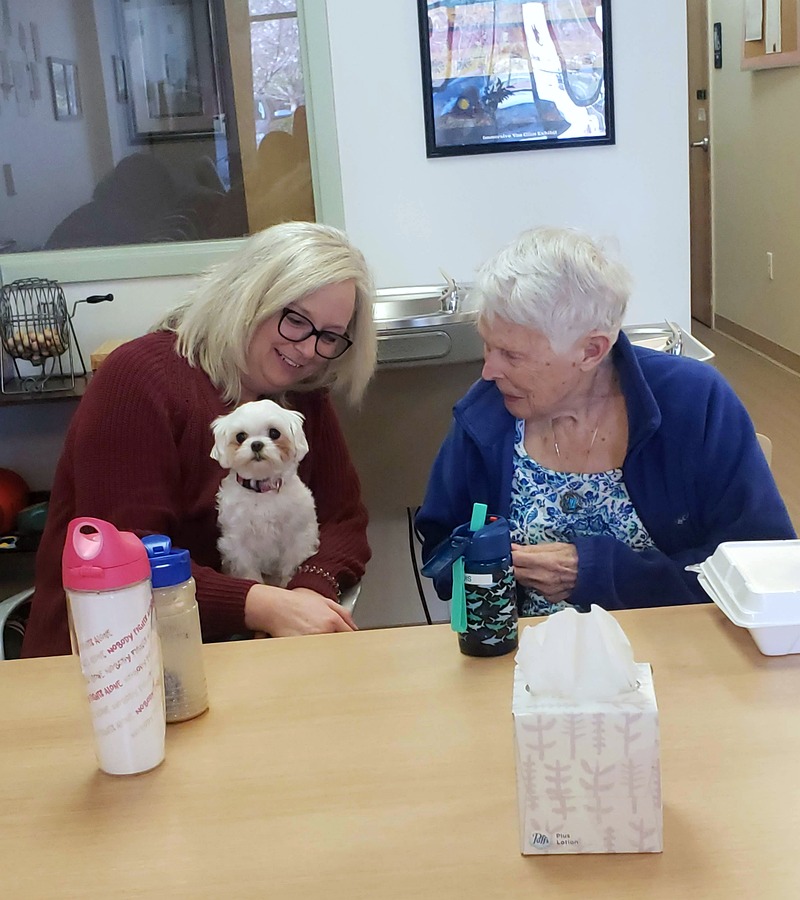
Type 4: Emergency Respite Care
What Does Respite Care Cost?
In-Home Respite Care
Adult Day Care Respite
Overnight or Residential Respite


Insurance & Funding Sources for Respite Care
Funding Sources That May Help
Long-Term Care Insurance
VA Aid & Attendance Benefits
Medicaid Waivers & NC Programs
GUIDE Dementia Program
Important Medicare Reality
How Often Should Caregivers Use Respite?
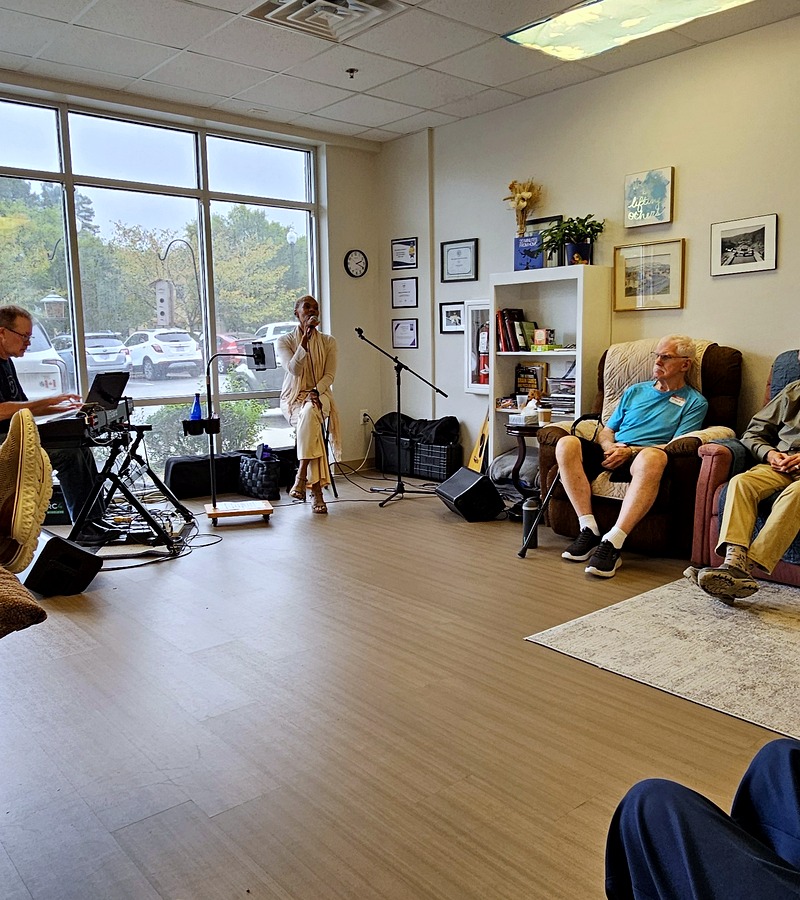

Overcoming the Guilt of Taking a Break
Finding Quality Respite Care Near You
Wake Forest
Durham West

Respite Care FAQ
Will Medicare pay for respite care?
Will my loved one feel abandoned?
What if my loved one resists respite care?
How often should caregivers use respite?
What type of respite is best?
Is respite care only for advanced dementia or severe illness?
How do we start respite care?
Does using respite mean I can’t handle caregiving?
