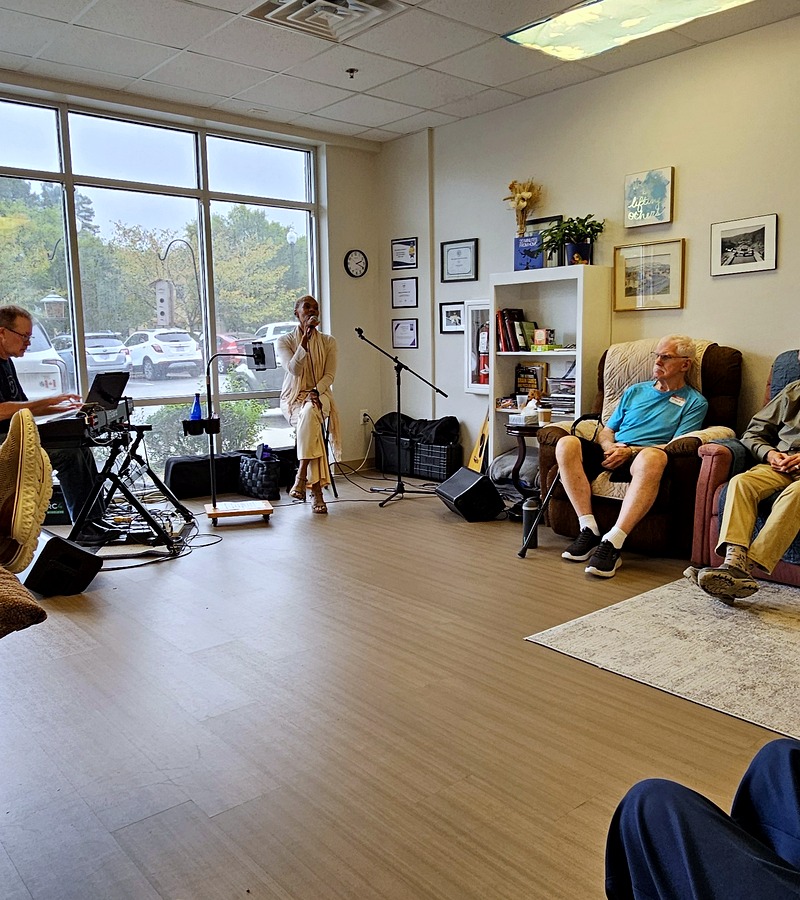
Adult day care is a structured daytime program for older adults who may no longer be safe or thriving home alone all day. Adult day centers provide: Adult day care allows family caregivers to: Many people picture adult day care as people sitting passively in front of a television all day. In reality, quality adult day centers are: Morning Arrival & Welcome Participants arrive and are greeted by staff and friends in a warm, familiar environment. Many families tell us this routine becomes an important source of structure and stability for their loved one. Morning Activities & Social Engagement Morning programming may include: Activities are typically adapted to different ability levels and designed to encourage participation without pressure. Small-Group Programming Many centers incorporate smaller group activities throughout the day to allow for more individualized engagement, conversation, and relationship-building. Lunch & Social Time Participants are provided lunch and opportunities for conversation and connection around the table. Mealtime is often one of the most socially meaningful parts of the day, especially for individuals who eat alone at home most of the time. Rest & Quiet Time Many participants benefit from quieter periods during the day to rest, relax, or decompress before afternoon activities begin. Afternoon Activities Afternoons may include: Departure & Transition Home At the end of the day, participants return home having spent the day socially engaged, supervised, active, and connected rather than isolated alone for long hours. The part of the day that surprises new visitors most is usually how much genuine laughter, conversation, energy, and relationship-building happens throughout the center. Many families arrive expecting something quiet or institutional and instead discover people actively participating, socializing, joking with staff, engaging in activities, and forming meaningful friendships and routines Adult day care supports a wide range of older adults and caregivers, especially when remaining home alone all day is no longer safe, healthy, or emotionally beneficial. Our quality adult day care programs offer far more than supervision during the day. Research and family experience both show that regular participation can provide meaningful emotional, cognitive, physical, and social benefits for many older adults. The benefits of adult day care are not only for the participant — they are very real for the caregiver too. Many family caregivers are trying to balance work, parenting, medical appointments, household responsibilities, finances, and around-the-clock caregiving with little consistent relief. Over time, that level of responsibility becomes physically and emotionally exhausting. Adult day care provides predictable hours of respite so caregivers can work, sleep, attend their own medical appointments, run errands, spend time with family, or simply rest without constant worry. Many caregivers describe finally being able to breathe again once they know their loved one is safe, engaged, supervised, and not sitting home alone all day. Consistent respite is one of the most effective ways to reduce caregiver burnout and help families sustain caregiving longer without reaching crisis or exhaustion. Adult day care is widely considered one of the most cost-effective forms of supportive aging care because it provides many hours of supervision, engagement, meals, and caregiver respite at a fraction of the cost of full-time in-home care. Nationally, adult day care costs typically range from $80–$120 per day, depending on the program, region, hours, and level of support provided. By comparison, paying privately for one-on-one in-home care for the same number of hours often costs significantly more. Families commonly pay for adult day care through a combination of: Many families pay privately for attendance, especially when using adult day care a few days per week to supplement family caregiving and help a loved one remain living at home longer. Some long-term care insurance policies cover adult day care benefits. Families should review policy details carefully regarding eligibility, elimination periods, required documentation, and reimbursement procedures. Aging Care Matters is an approved provider within the Medicare GUIDE Respite Program through participating healthcare partners. Eligible caregivers may receive covered respite support that can significantly offset the cost of adult day attendance for qualifying participants living with dementia. Some veterans’ benefits, respite grants, scholarship programs, or local aging services may also help offset costs, depending on eligibility and available funding. For many families, adult day care becomes the “middle ground” that helps avoid or delay far more expensive options such as full-time home care, assisted living, or memory care while still providing meaningful support and respite. Adult day care and in-home care both provide valuable support, but they serve different needs and work best in different situations. In many families, the most effective care plans eventually combine both. Adult day care is often ideal for older adults who: Adult day care also tends to be significantly more cost-effective when many hours of daytime support are needed. In-home care may be a better fit for individuals who: Many families ultimately use a combination of both — adult day care during the day for structure, socialization, and respite, combined with in-home support in the mornings, evenings, or on weekends. For a deeper breakdown of costs, benefits, pros and cons, and how families decide between the two, see our full comparison article. Adult day care and assisted living support very different stages and goals of care. The biggest difference is this: adult day care allows the older adult to continue living at home, while assisted living involves moving into a residential community full-time. Adult day care is often a good fit when: Adult day care is also generally far less expensive than assisted living because families pay only for daytime support, rather than for housing, meals, and 24-hour staffing. Assisted living may become more appropriate when: For many families, adult day care serves as an important middle step that allows a loved one to remain at home longer before a residential move becomes necessary. Not all adult day centers provide the same level of care, engagement, staffing, or atmosphere. Touring programs in person is one of the best ways families can determine whether a center feels safe, welcoming, active, and appropriate for their loved one’s needs. Pay attention to whether staff seem rushed, overwhelmed, or disconnected from participants. Quality programs should have enough staff to provide meaningful engagement, supervision, redirection, and support — not simply crowd management. If your loved one has memory loss or dementia, ask specifically about dementia training. Watch how staff speak to participants: A good program should feel active and engaging — not like people sitting passively in front of a television all day. Look for: Meals are an important part of the day. Ask: The center should feel clean, organized, safe, and welcoming without smelling heavily of urine, chemicals, or neglect. Observe: Ask whether the center is licensed through the state and whether families can review inspection or compliance history. Helpful tour questions include: Perhaps most importantly, pay attention to how the center feels emotionally. Families often know quickly whether a program feels warm, relationship-centered, respectful, and genuinely engaged with participants — or whether it feels institutional, passive, or disconnected. The Triangle region has more adult day care options than many other parts of North Carolina, giving families access to programs that provide supervision, structure, social engagement, dementia support, and caregiver respite while helping older adults remain at home longer. Aging Care Matters currently operates three Adult Day Centers serving families across Wake, Durham, Orange, Granville, Franklin, Johnston, and surrounding counties. Each center provides a social-model, relationship-centered approach focused on dignity, engagement, routine, and caregiver support. Call 919-525-6464 or schedule your consultation today. Sometimes, yes — especially at first. Change is difficult, and many older adults are understandably anxious about unfamiliar places or routines. In our experience, most participants adjust significantly within the first few weeks once they build relationships, become familiar with staff, and establish a routine. Many individuals living with dementia do very well in adult day care when the program is experienced in dementia support and communication. Structured routine, social engagement, supervision, and meaningful activities can reduce isolation and help support both the participant and caregiver. Yes. Trial days are often one of the best ways for families and prospective participants to experience the environment, meet staff, and see whether the program feels like a good fit before committing to a regular schedule. Our Adult Day Centers are open Monday through Friday from 7:30 AM to 5:30 PM. Families can choose schedules based on their caregiving, work, and respite needs. No, families provide transportation themselves while others use community transportation programs, family support, or private transportation services. This is very common during the adjustment period and does not necessarily mean the program is not helping. Many participants initially resist change but gradually become more comfortable once routine, familiarity, and relationships develop. Activities may include music, exercise, games, conversation groups, crafts, cognitive stimulation, sensory activities, entertainment, holiday celebrations, and social engagement adapted to different ability levels and interests. We continuously monitor participants’ needs and communicate with families if additional support or a different level of care may eventually become necessary. Many families find adult day care helps delay higher levels of care by providing structure, supervision, and support earlier in the aging journey.
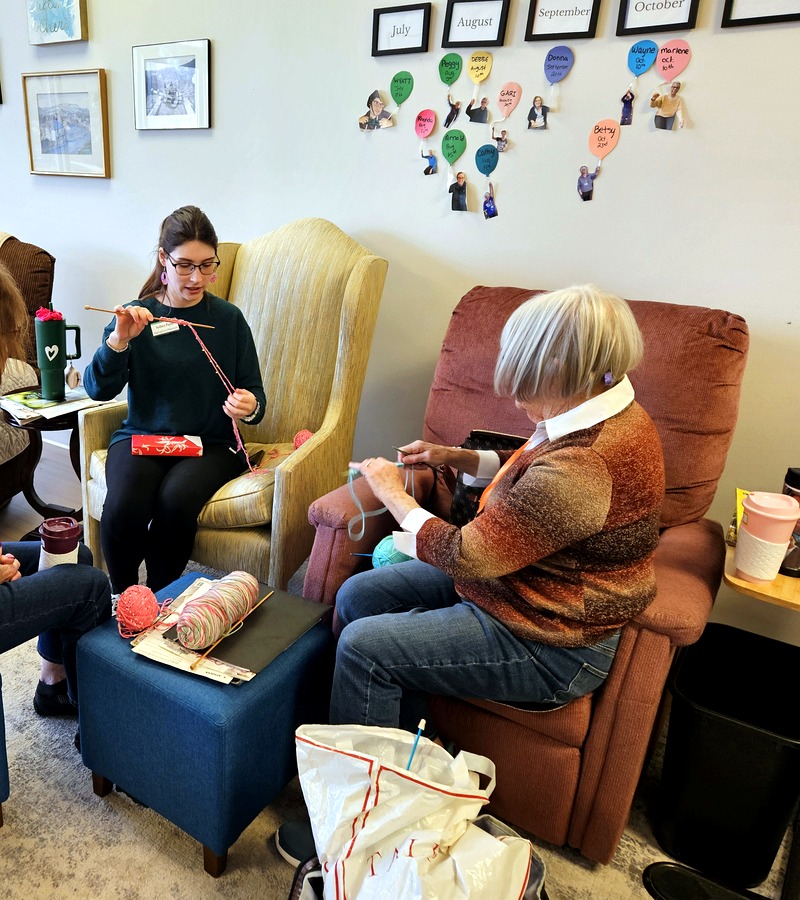
What Is Adult Day Care?
Common Misconception

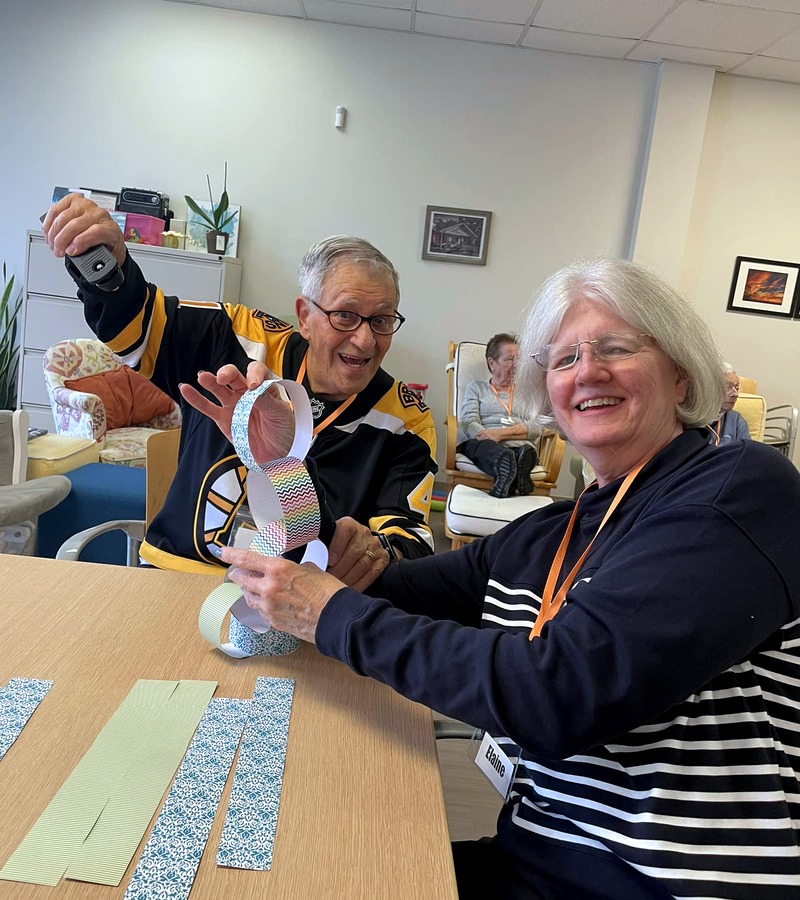
A Typical Day Often Includes
Who Benefits Most From Adult Day Care?

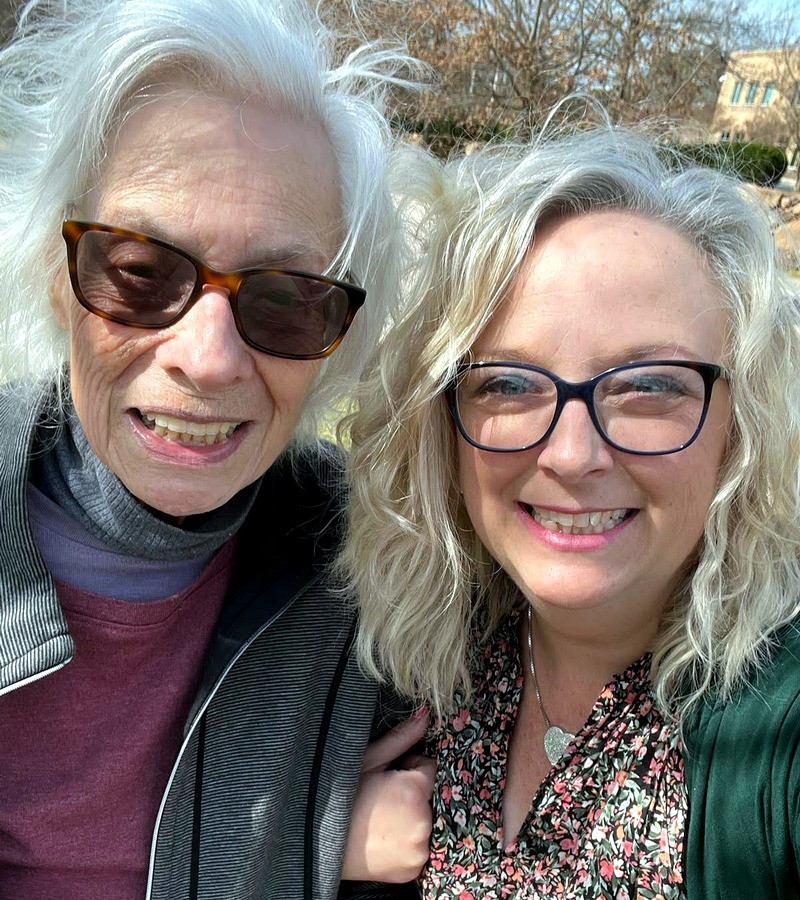
Benefits for the Participant
Benefits for the Family Caregiver
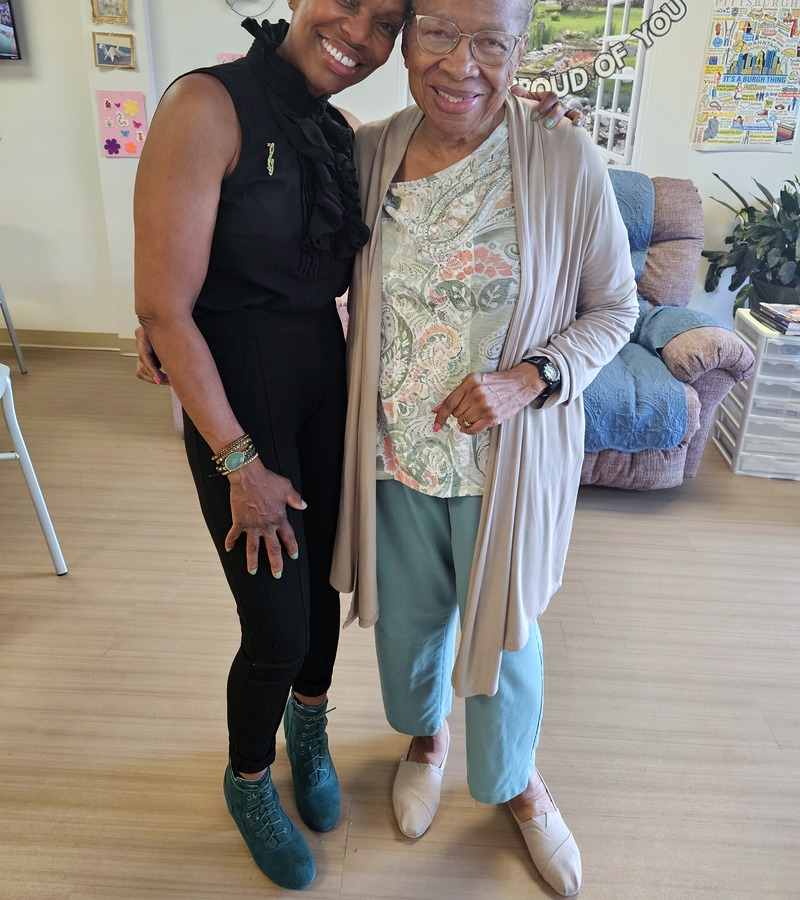

Cost of Adult Day Care & How Families Pay for It
Private Pay
Long-Term Care Insurance
GUIDE Program
VA & Community Programs
Adult Day Care vs. In-Home Care
When Adult Day Care Fits Best
When In-Home Care Fits Best


Adult Day Care vs. Assisted Living
When Adult Day Care Fits Best
When Assisted Living Fits Best
How to Find a Quality Adult Day Care Program
What To Look For During a Tour
Staff-to-Participant Ratios
Dementia Training & Communication Style
Activity Quality
Meal Quality & Dining Experience
Cleanliness & Safety
Licensing & Oversight
Questions Families Should Ask

A Note From Carla, Our Owner and Founder
Wake Forest
Durham West
Adult Day Care FAQ
Will my loved one resist attending?
What if my loved one has dementia?
Can my loved one come for a trial day?
What hours are you open?
Do you provide transportation?
What if my loved one says they don’t want to come back?
What kinds of activities do participants do?
What happens if my loved one’s needs increase over time?
