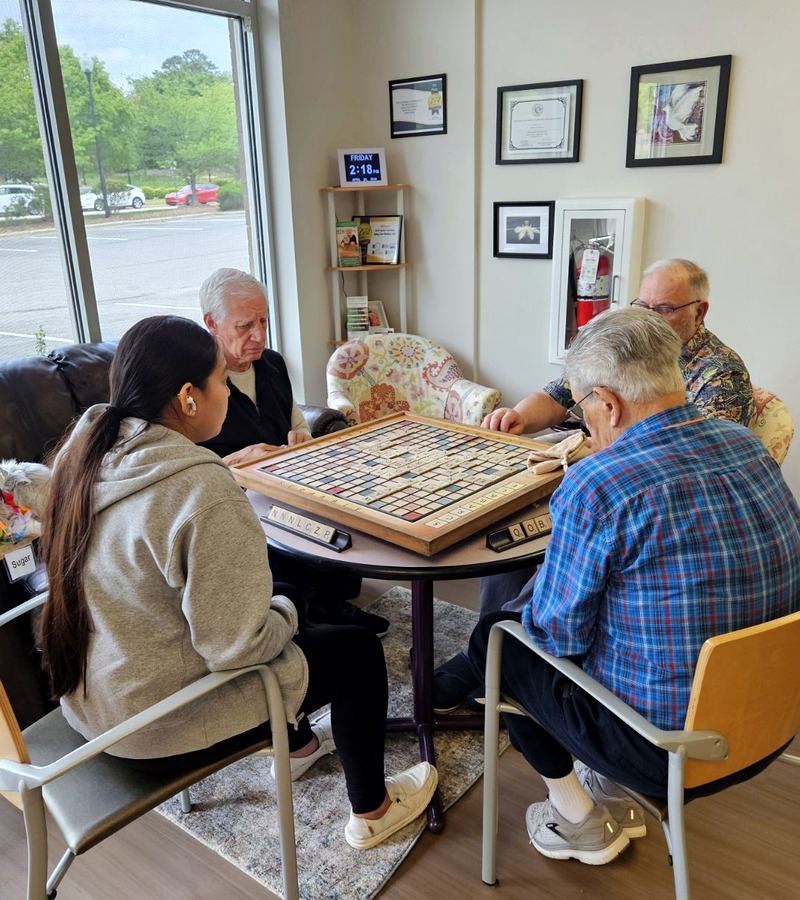
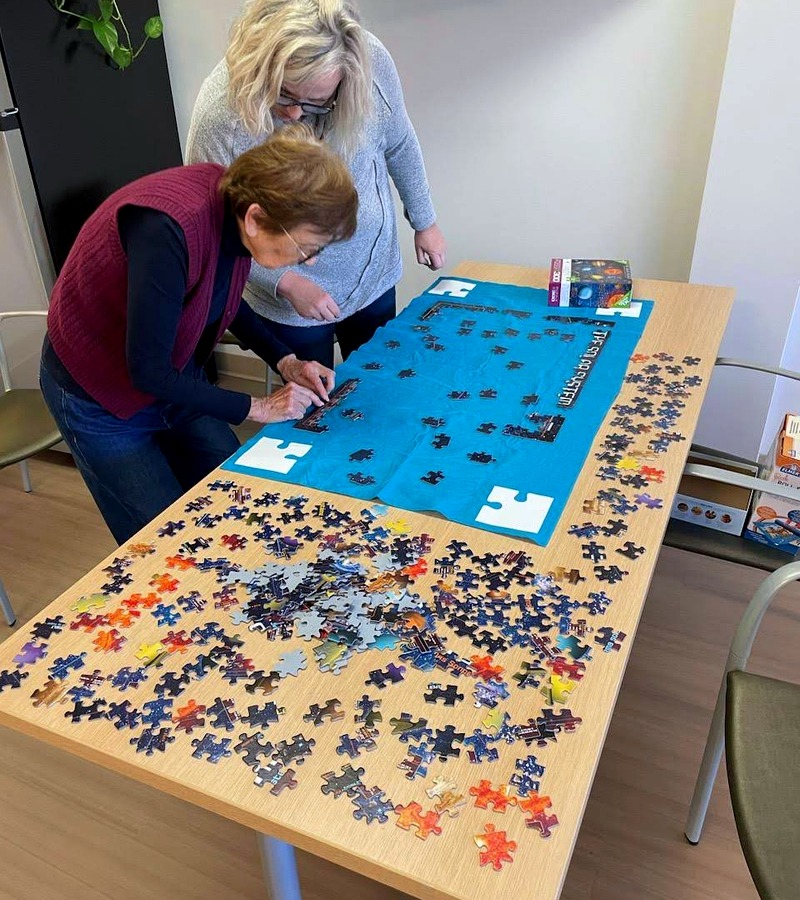
At ACM, our adult day centers provide specialized dementia and memory-care programming within a structured daytime setting, allowing older adults to receive compassionate supervision, cognitive engagement, social connection, routine, and dementia-informed support during the day while still remaining at home with the people they love at night. For many families, adult day care becomes the bridge between trying to manage everything alone and needing full residential memory care — offering meaningful support while helping families maintain connection, independence, and quality of life for as long as possible. Families often realize their loved one needs more support when caregiving quietly becomes unsustainable. Sometimes it is repeated falls, wandering, medication mistakes, isolation, incontinence, confusion, sundowning, or a parent no longer eating well or safely staying alone. Other times, the moment is less dramatic: a caregiver realizing they can no longer leave the house without fear, cannot continue to balance work and caregiving, or notices their loved one spends entire days sleeping, withdrawing, repeating the same worries, or losing connection with the world around them. Many families tell us they waited too long because they believed the day care would be childish, when in reality, support often allows families to care for their loved one at home longer and with greater peace of mind. Research shows structured adult day programs can help reduce agitation, anxiety, withdrawal, and other behavioral symptoms in individuals living with dementia through routine, socialization, and cognitive engagement. Peer-reviewed studies show caregiver respite through adult day services can significantly reduce caregiver stress, overwhelm, and depressive symptoms by providing predictable hours of support and relief. Ongoing cognitive engagement through music, reminiscence, conversation, movement, and structured activities may help support cognitive function and emotional well-being for older adults living with dementia. Adult day care can help delay assisted living or memory care placement by allowing older adults to remain safely at home longer while caregivers receive daytime support and respite. ACM is often an excellent fit for individuals in the early stages of dementia who are beginning to experience memory changes, isolation, confusion, anxiety, or difficulty managing daily structure alone at home. Many participants in this stage benefit greatly from social engagement, routine, cognitive stimulation, movement, and maintaining a sense of purpose and independence. Most ACM participants are in the middle stages of dementia, where families often need more consistent daytime supervision, structured support, and caregiver respite. Individuals in this stage may experience increased confusion, repetition, wandering risk, sundowning, difficulty staying home alone, or changes in behavior, but can still actively participate in activities, socialization, meals, movement, and meaningful engagement with support and cueing from staff. Some individuals in the later stages of dementia may still be appropriate for ACM depending on their physical needs, ability to safely participate in a social adult day setting, and overall care requirements. Each situation is individually assessed to determine whether the center can safely and compassionately meet the participant’s needs while maintaining the well-being of the group environment. Our Staff Is Trained In Dementia Support At ACM, our team receives ongoing dementia-specific education focused on compassionate, relationship-centered care for individuals living with Alzheimer’s disease and other forms of dementia. Staff are trained in the Positive Approach to Care philosophy developed by Teepa Snow, helping caregivers better understand brain change, communication differences, sensory needs, and how to respond with dignity, patience, and empathy rather than correction or confrontation. Training areas include: North Carolina regulations require a minimum staffing ratio of 1 staff member per 8 participants in adult day care settings. ACM intentionally staffs above state minimums, typically providing two staff members for every eight participants, allowing for greater supervision, individualized attention, relationship-building, and responsive support throughout the day. One of the things that makes ACM unique is that our adult day centers are backed by professional Aging Life Care Management services. Families of current adult day participants have access to guidance, support, advocacy, resource navigation, and placement coordination from our care management team at no additional cost while their loved one attends our centers. For families outside of our adult day program, ACM also provides private professional care management services throughout the Triangle for $150 per hour. Services may include assessments, care oversight, medical advocacy, crisis intervention, family support, placement guidance, and long-term care planning. ACM’s adult day centers are designed to provide a safe, structured, and calming environment for older adults living with dementia, cognitive decline, mobility challenges, and age-related changes. Secure entry and exit procedures help reduce wandering risk while allowing participants to move comfortably and confidently throughout the center with supervision and support from staff. Our centers incorporate fall prevention measures such as monitored walking areas, staff supervision during transitions, supportive seating, reduced trip hazards, and gentle movement programming that encourages strength and balance. Daily activity flow is intentionally structured to reduce confusion and overstimulation while still providing meaningful engagement and social interaction throughout the day. For participants who become anxious, overstimulated, fatigued, or emotionally overwhelmed, staff help redirect individuals to quieter calming spaces where they can rest, decompress, or engage in lower-stimulation activities. ACM also incorporates dementia-friendly environmental strategies including visual cueing, simplified layouts, familiar routines, supportive lighting, and color contrast elements that can help individuals living with dementia better navigate spaces and maintain a greater sense of confidence and orientation. ACM’s dementia programming is designed to support not only cognitive engagement, but also dignity, emotional connection, identity, and a continued sense of purpose. Throughout the day, participants engage in evidence-informed memory-supportive activities including reminiscence therapy, music engagement, sensory activities, conversation prompts, movement, art, and familiar daily routines that help reduce anxiety while encouraging connection and participation. Music plays an especially powerful role in dementia care, which is why ACM incorporates validated music-based approaches such as Music & Memory along with familiar songs, singing, rhythm, and musical engagement shown to support mood, memory recall, and emotional regulation. Participants may also engage in life-skill activities such as folding laundry, organizing items, setting tables, watering plants, sorting materials, or helping with simple center routines — not as “busy work,” but because meaningful contribution helps individuals maintain dignity, identity, confidence, and a sense of being needed and valued. Afternoon programming at ACM is intentionally designed to help reduce the late-day confusion, anxiety, restlessness, and agitation often associated with sundowning in individuals living with dementia. As the day progresses, the environment and activity flow gradually shift to become calmer, quieter, and more soothing rather than overly stimulating or demanding. Staff incorporate calming music, sensory engagement, quieter conversation, familiar routines, gentle movement, lower lighting transitions when appropriate, hydration, and well-timed afternoon snacks to help participants feel more regulated and comfortable before transitioning home. Environmental cues, reduced noise levels, structured routines, and consistent staff support also help decrease overstimulation and uncertainty, allowing participants to end the day feeling safer, calmer, and more emotionally settled. At ACM, we believe dementia care works best when families and staff function as partners. Communication happens regularly through in-person conversations at drop-off and pickup, updates about mood or behavior changes, observations about engagement or eating patterns, and ongoing relationship-building with caregivers who know participants personally. When helpful, staff also track behavioral patterns, triggers, routines, or changes and share that information with families to help create greater consistency and understanding between home and the center. ACM also offers a monthly family support group where caregivers can ask questions, share experiences, receive education, and connect with others navigating similar dementia journeys. Families often tell us that communication is one of the things that makes them feel most supported because it helps them feel less alone, less fearful, and more confident in the decisions they are making for their loved one. Many caregivers share that understanding behaviors, having trusted professionals to talk with, and knowing someone else truly sees and understands what they are carrying provides emotional relief they did not realize they needed. As a Certified Care Manager–owned organization, ACM’s commitment to families does not end if adult day care is no longer the safest or most appropriate fit. We do not simply say “no” and send families away — we help them navigate what comes next. Our team provides guidance, education, care management support, resources, and placement coordination to help families understand changing care needs and find the safest, most appropriate level of support, whether that involves additional in-home care, hospice, skilled nursing, or residential memory care. Adult day care may not be the best fit for individuals who are bedridden, require full physical assistance with all transfers and toileting, are unable to safely eat or swallow, have significant unmanaged medical instability requiring ongoing nursing or 24/7 monitoring, or are experiencing severe physical aggression or behaviors that place themselves, staff, or other participants at risk within a group setting. One daughter came to ACM exhausted and heartbroken after trying to balance full-time work while caring for her mother, living with dementia, alone at home. Her mother had become withdrawn, anxious, and resistant to leaving the house. Within a few weeks of attending ACM, she began participating in music, conversations, and activities again — and her daughter later shared, “I got to see my mom smile again instead of just surviving the day.” A husband caring for his wife with advancing memory loss had not left her alone in over a year and was physically and emotionally depleted. After enrolling in adult day care several days each week, he told us the biggest gift was not simply the hours themselves, but the relief of knowing she was safe, engaged, known, and cared for by people who understood dementia. He later shared that those hours allowed him to continue caring for her at home longer than he thought possible. One long-distance family contacted ACM, overwhelmed by hospitalizations, conflicting medical advice, and increasing concerns about their father living alone. Through ACM’s combined care management and adult day support, the family gained guidance, advocacy, structure, and ongoing communication, which helped them feel less alone and more confident in their decision-making. The family later shared that having professionals who truly understood both dementia and caregiving “changed everything Families are invited to schedule a dementia support assessment and personal tour at any of ACM’s three Triangle adult day center locations. Our team will take time to learn about your loved one’s cognitive, emotional, physical, and social needs while helping determine whether our structured adult day program is the right fit for your family. Whether you are just beginning to notice memory changes or are already navigating more advanced dementia care needs, ACM is here to provide guidance, support, and honest recommendations. As a Certified Care Manager–owned organization, we help families understand not only whether adult day care is appropriate now, but also how to plan for changing care needs in the future.
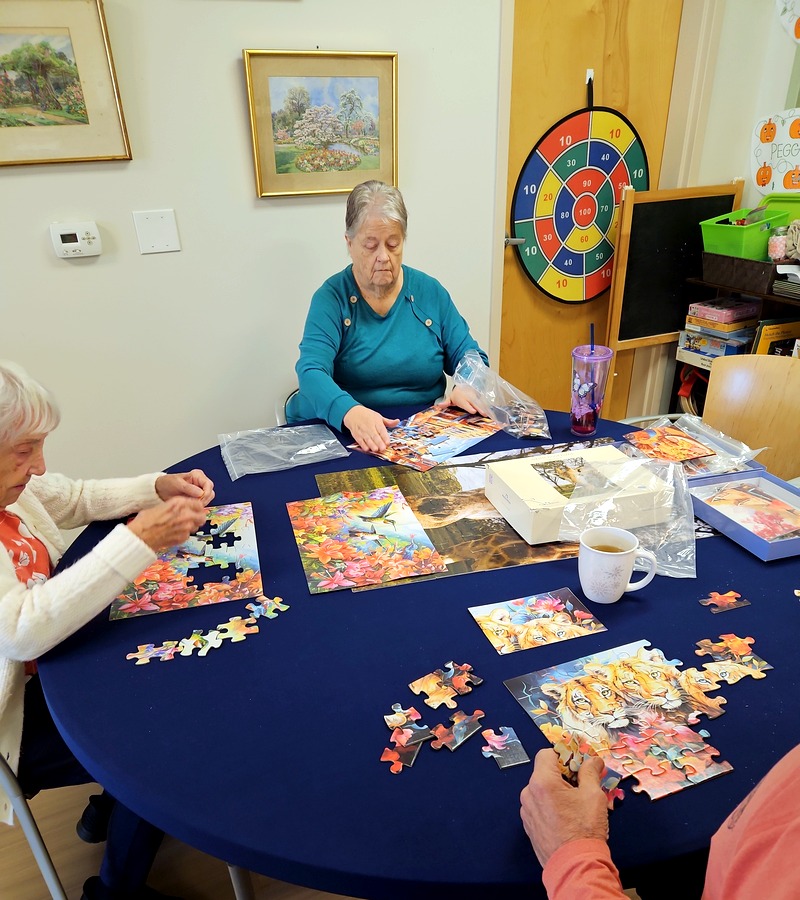
ACM Has Specialized Dementia and Memory-Care Programming
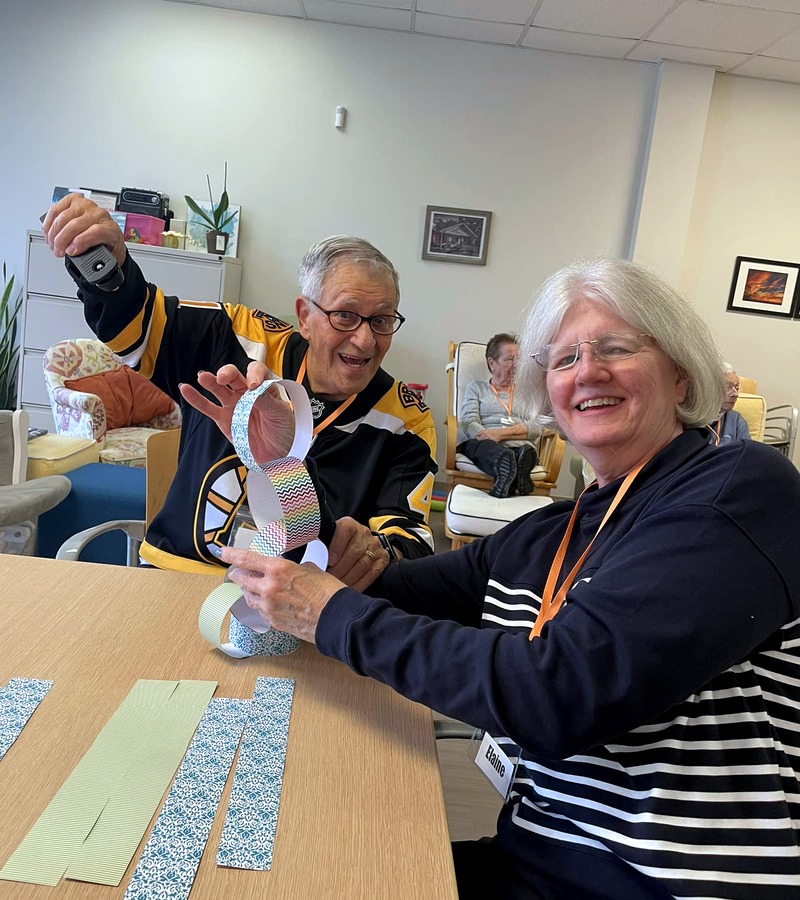
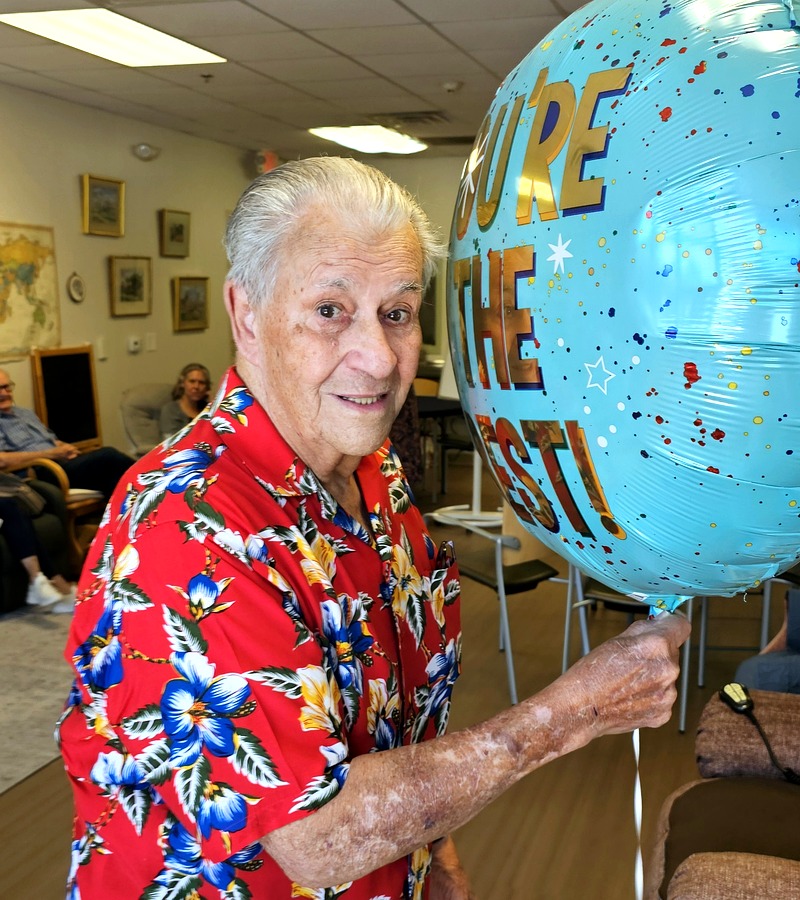
Trusted By Families For 17+ Years
Stages of Dementia We Support
Early-Stage Dementia
Middle-Stage Dementia
Late-Stage Dementia
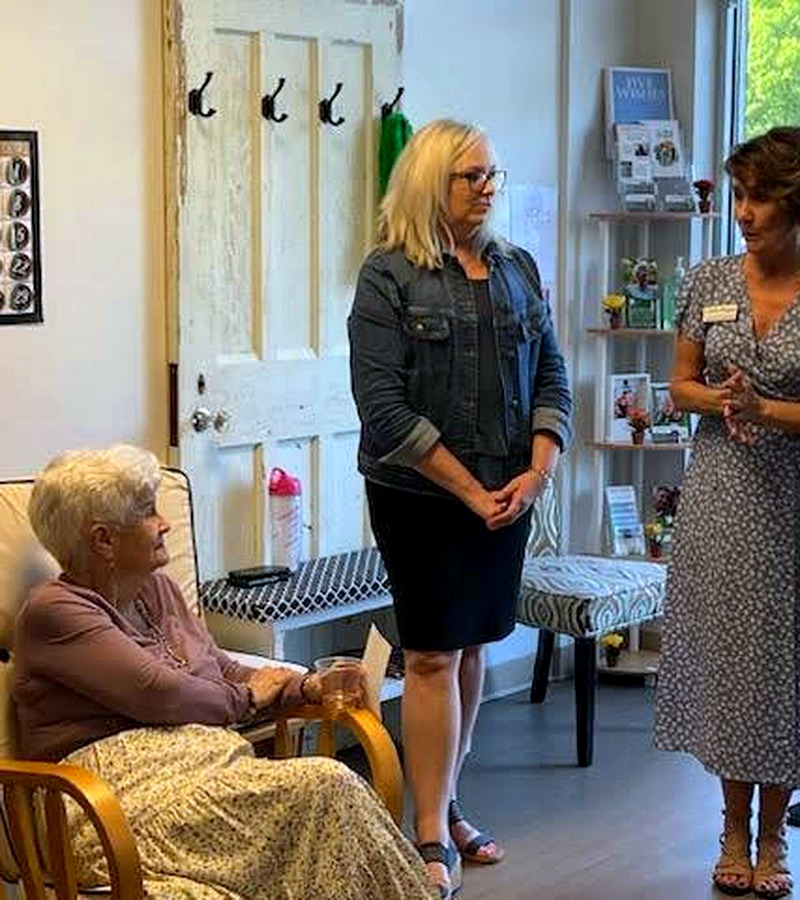
ACM is the ONLY Center that provides Care Management Support Included for Day Center Families
Safety & Dementia-Friendly Environment
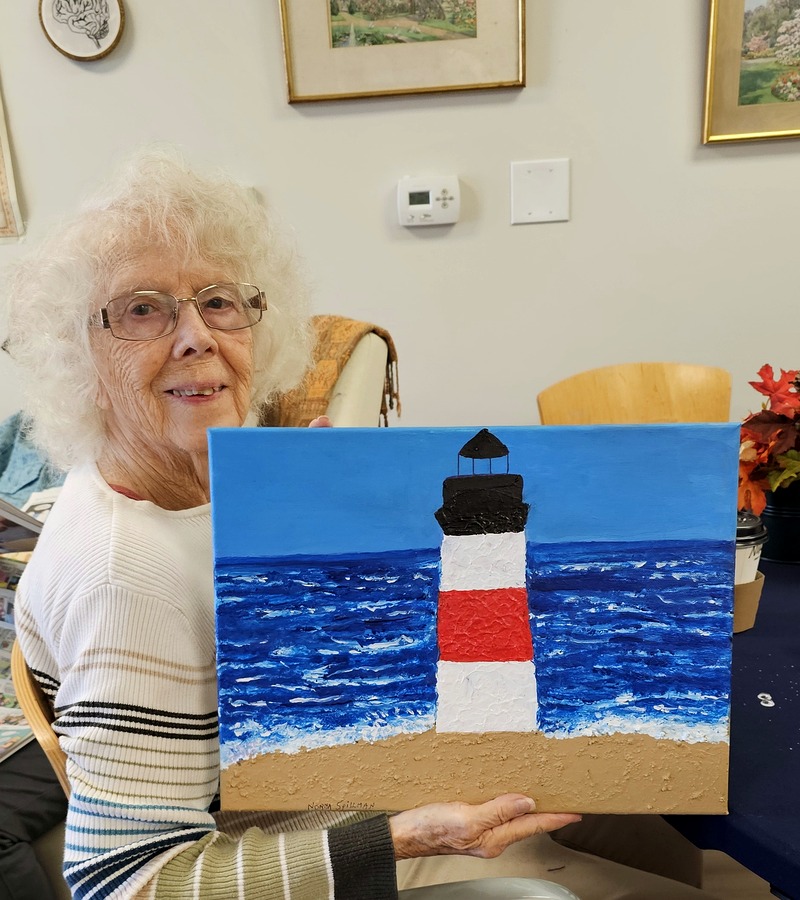
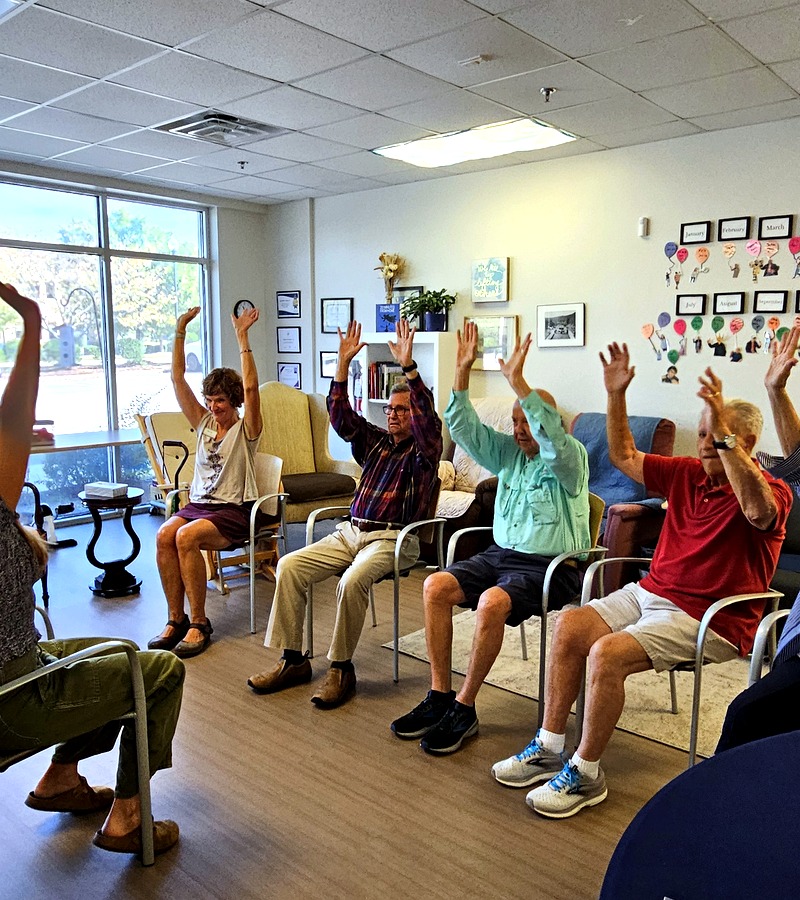
Memory-Supportive Programming
Sundowning-Aware Afternoon Support

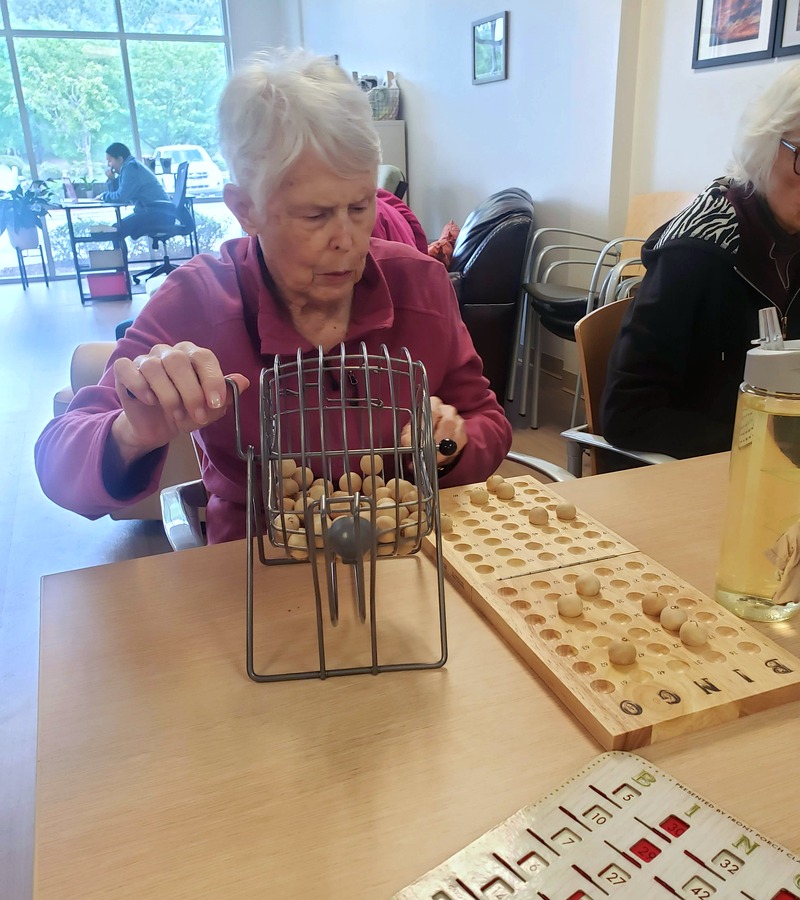
Keeping Families Informed & Supported
When Adult Day Care Is Not The Right Fit

Family Stories
Family Stories That Reflect Why We Do This Work
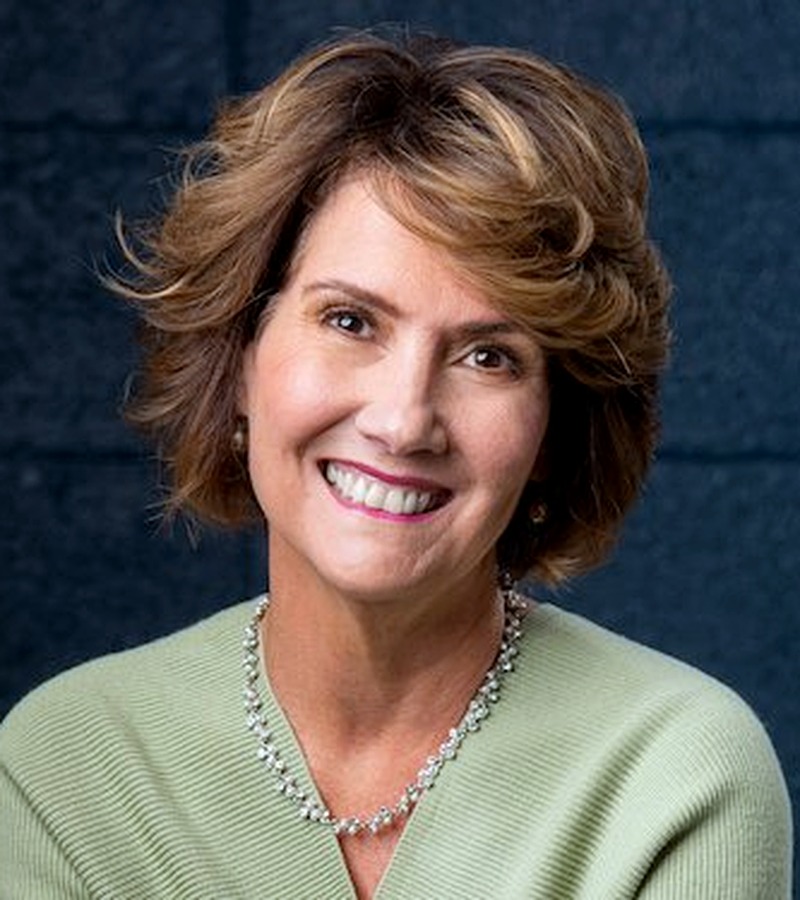
A Note From Carla, Our Owner and Founder
Wake Forest
Durham West