For many families, this decision comes from love, loyalty, comfort, finances, or the belief that home still feels safest and most familiar. It can also feel overwhelming once the reality of daily caregiving sets in. The Aging Care Matters team is here to help you. It’s 4 p.m. and Mom is suddenly a different person. The parent who was calm earlier in the day is now: Many caregivers describe late afternoon and evening as the hardest part of dementia caregiving. Families often feel blindsided because the change can happen so predictably and so dramatically. Sundowning is a pattern of: …that intensifies later in the afternoon or evening in many people living with dementia. It is not a separate disease or diagnosis. Instead, it is a symptom pattern commonly associated with dementia, especially Alzheimer’s disease and other cognitive disorders. For some families, sundowning becomes one of the most exhausting and emotionally draining parts of caregiving because behaviors often emerge exactly when caregivers themselves are becoming tired at the end of the day. Many families are surprised to discover how much a structured daytime routine can improve evening behaviors at home. Adult day care helps regulate: At Aging Care Matters Adult Day Centers, participants typically experience: This often helps reduce: Many caregivers report: Our programming is specifically designed with dementia rhythms and sundowning patterns in mind, helping families create more sustainable caregiving routines both during For some families, adult day care is not the best fit – especially if the parent: In these situations, bringing in a dementia-trained in-home caregiver during the highest-risk hours of the day can help significantly. The most common high-risk window for sundowning is: Approximately 2 p.m.–6 p.m. This is often when caregivers themselves are also becoming exhausted, trying to prepare dinner, finish work, manage children, or transition into evening routines. An in-home aide during this period can help with: In-home dementia care in North Carolina typically averages: ~$35–$40+/hour Many families start with just late-afternoon coverage before eventually increasing support as dementia progresses. At Aging Care Matters, our Adult Day Centers are intentionally structured around dementia rhythms and behavioral patterns. Our programming includes: Our care management team helps families: Sometimes, small changes in timing, lighting, routine, or caregiver structure can lead to major improvements in evening behavior. If your family is struggling with sundowning, a free 30-minute consultation can help clarify what strategies and supports may help reduce the daily chaos and exhaustion. If you are feeling overwhelmed and unsure what steps to take next, we invite you to schedule a free 30-minute consultation. There is no pressure and no obligation – just an opportunity to talk through your concerns with an experienced aging care professional. Call us at 919-525-6464 or schedule a consultation to discuss: Sundowning is a pattern of increased confusion, agitation, anxiety, pacing, or behavioral changes that occur later in the afternoon or evening in many people living with dementia. Not necessarily. Sundowning is most common in moderate-stage dementia, though it can occur at various stages depending on the person and the dementia type. Sometimes symptoms fluctuate or improve with environmental and routine changes, but sundowning often continues as part of the dementia process and may worsen over time. Melatonin may help some individuals regulate their sleep-wake cycle, but families should discuss supplements and medications with the person’s physician before starting them. There is no single medication specifically for sundowning. Doctors sometimes use medications to address: …but many medications used in dementia carry significant risks and side effects. “Home” is often an emotional concept rather than a physical address. The person may be expressing fear, confusion, insecurity, or a desire for comfort and familiarity. Sundowning often happens exactly when caregivers themselves are physically and emotionally exhausted, making the behaviors harder to manage consistently and calmly. Families should consider escalating support when behaviors create safety risks, wandering increases, aggression escalates, or caregiver burnout becomes severe.
Sundowner’s Syndrome Care for Aging Parents
Learn More
Contact Our Team
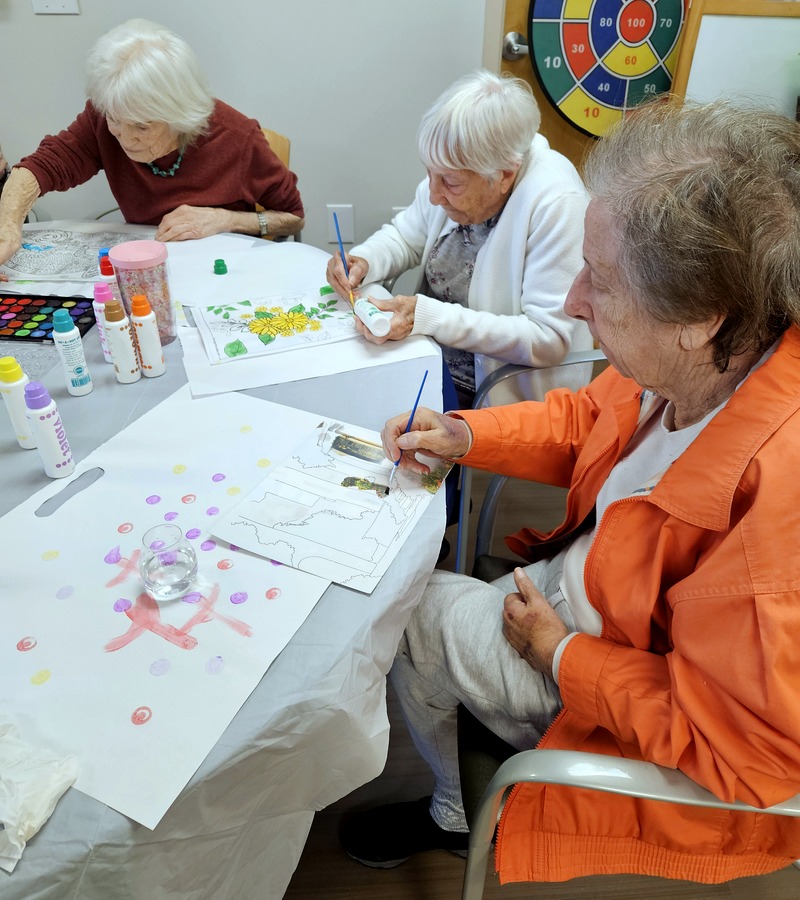
Sundowning in Dementia: What Families Need to Know
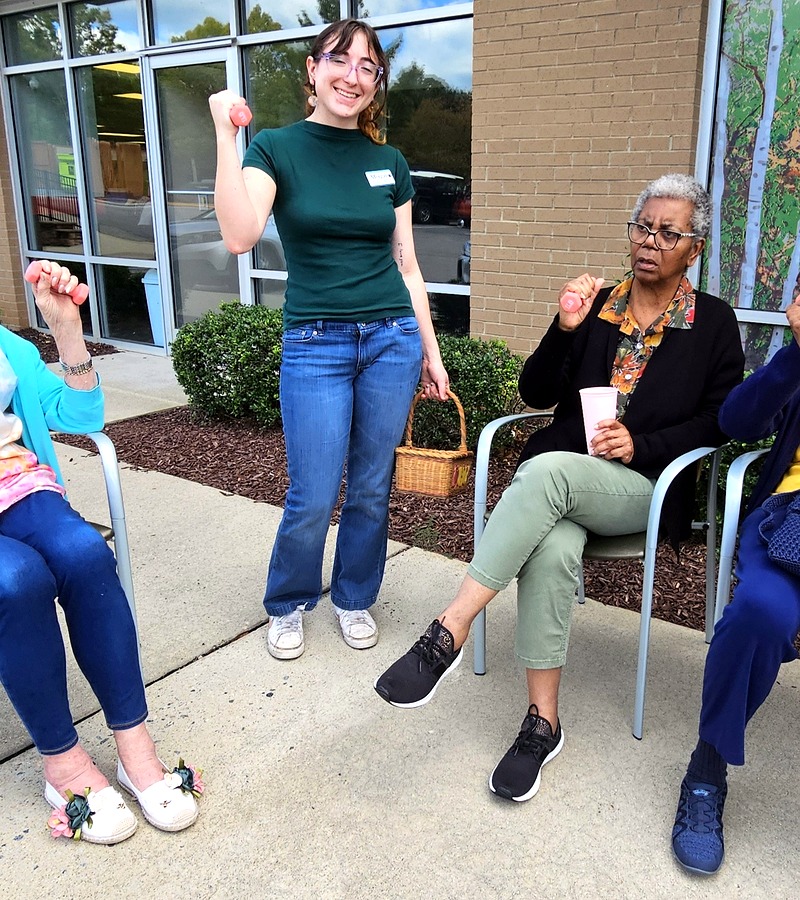
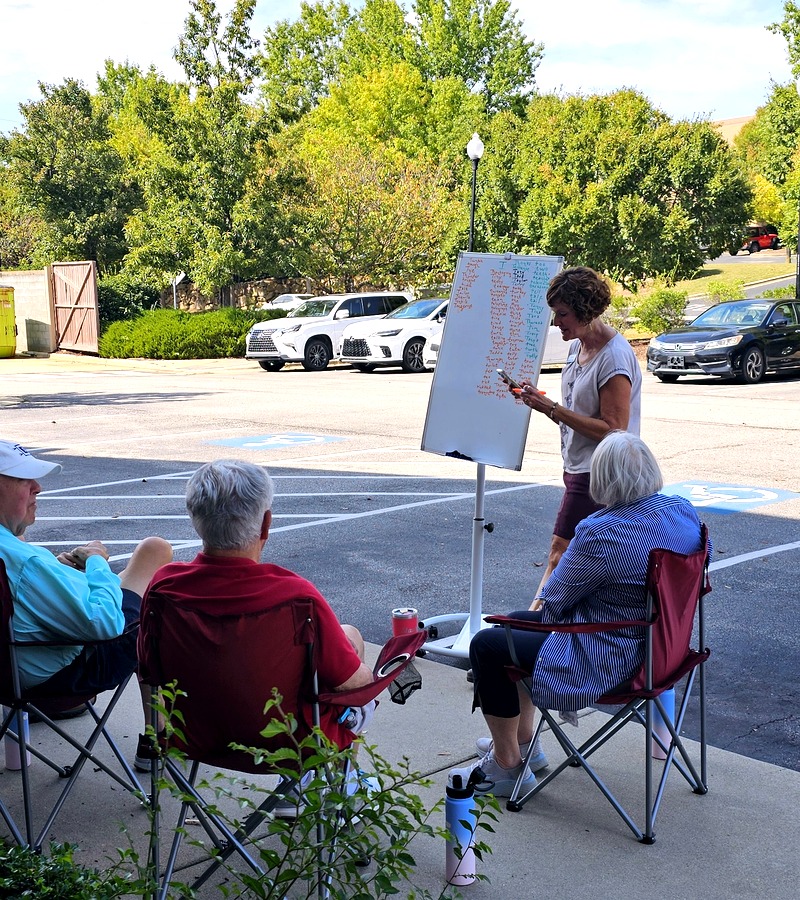
What Is Sundowner’s Syndrome / Sundowning?
Symptoms You May Be Seeing in Your Parent
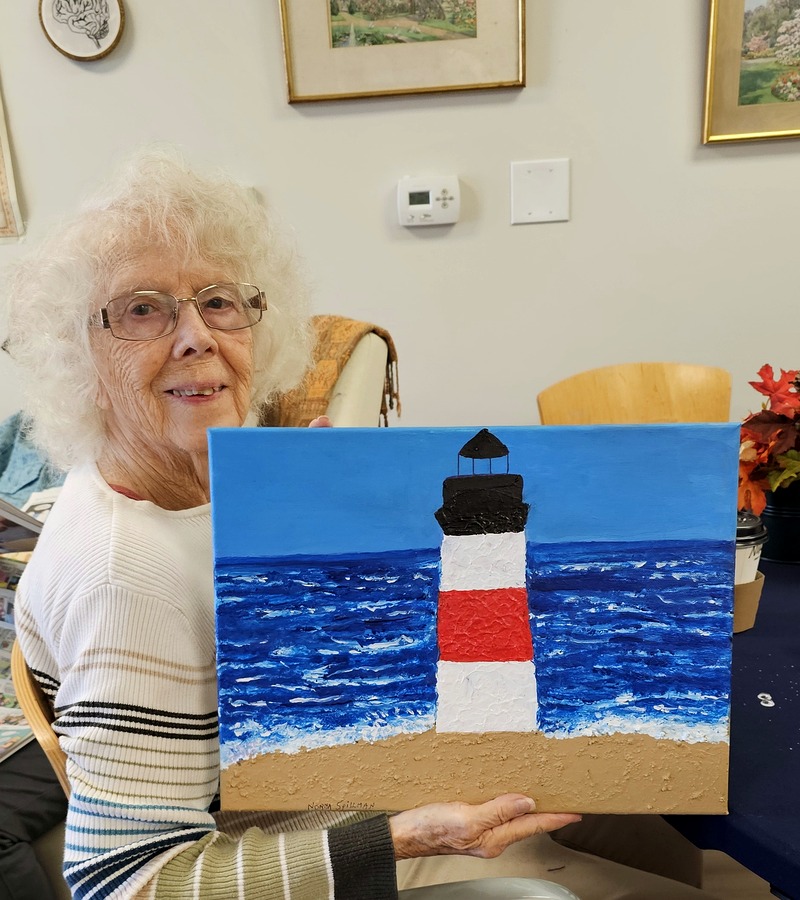

How Adult Day Care Can Help Break the Sundowning Cycle
When In-Home Help Is the Right Answer
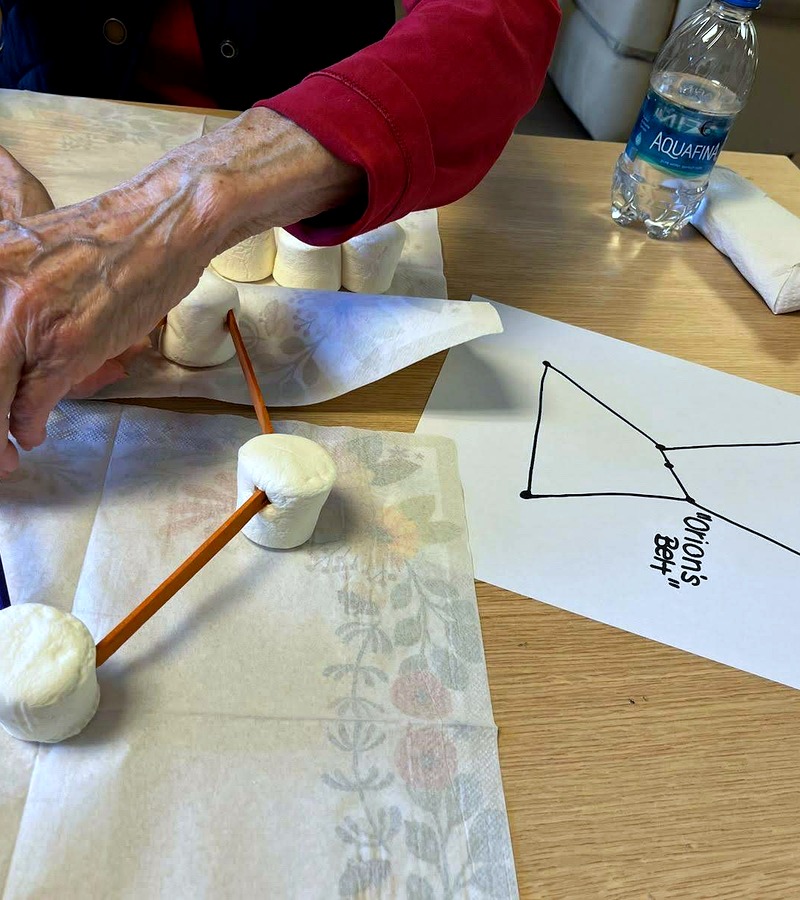
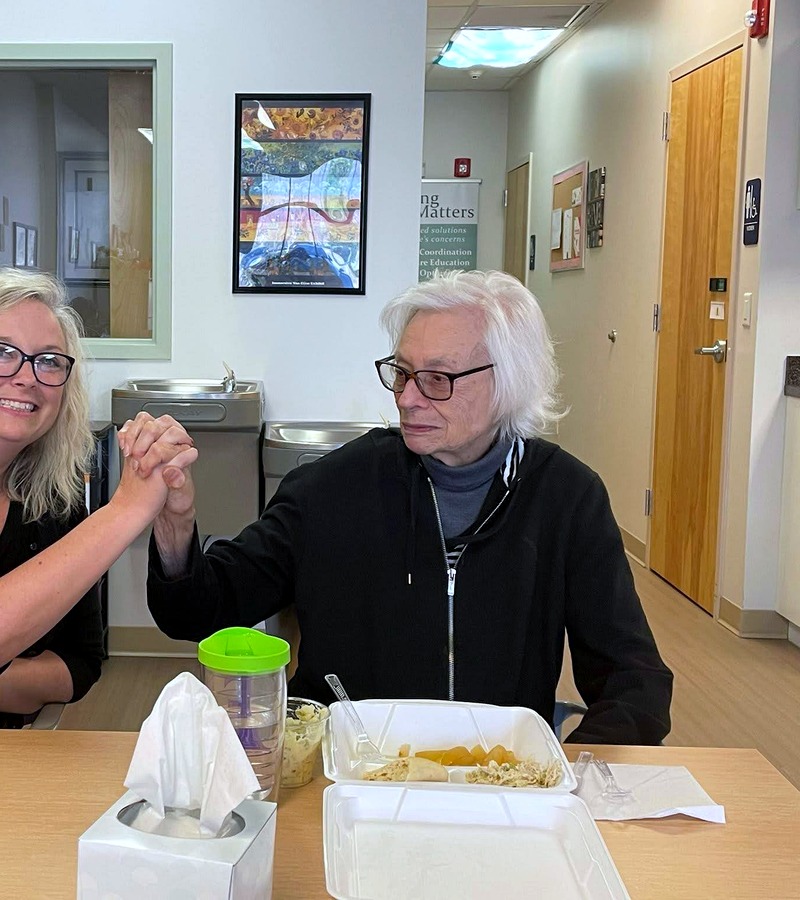
How Aging Care Matters Helps Triangle Families With Sundowning
Dementia-Informed Adult Day Programming
Care Management Support
A Note From Carla, Our Owner and Founder

Sundowning FAQ
What is sundowning?
Is sundowning a sign of late-stage dementia?
Will sundowning go away?
Can melatonin help?
What medications treat sundowning?
Why does my parent want to “go home” when they are already home?
Why is sundowning worse for caregivers?
When should we consider more supervision or memory care?
