Caring for a parent with Parkinson’s is a long-term commitment with shifting needs. Unlike many dementias, Parkinson’s disease often begins primarily as a movement disorder — but over time it can affect mobility, balance, speech, swallowing, sleep, mood, cognition, and the ability to manage everyday activities independently. Families are often surprised by how much the caregiving role evolves as symptoms progress. Parkinson’s caregiving requires its own playbook because the challenges are different: Many caregivers describe Parkinson’s as less of a sprint and more of a marathon requiring ongoing adjustment, problem-solving, and support over time. Parkinson’s disease affects far more than movement. Over time, everyday activities that once felt automatic can become physically exhausting and time-consuming. In-home support often becomes appropriate when caregiving needs increase beyond what the family can safely manage alone. Traveling to appointments or programs may become exhausting or unsafe. Families often need help with: Parkinson’s medication timing may become difficult to manage consistently without support and oversight. In-home caregivers can help with: Adult day care can be extremely helpful for many individuals living with Parkinson’s disease, especially during mild-to-moderate stages. Structured social interaction helps many participants remain more engaged and emotionally connected. Isolation often worsens: Regular movement matters enormously in Parkinson’s, and it may help maintain mobility and reduce deconditioning. Programs incorporating: Our care management team helps families navigate: We help families move from reactive problem-solving to more organized, sustainable support. Our Adult Day Centers provide: If your family is navigating Parkinson’s caregiving and feeling overwhelmed by the changing physical, emotional, and medical demands, a free 30-minute consultation can help clarify support options and next steps. If you are feeling overwhelmed and unsure what steps to take next, we invite you to schedule a free 30-minute consultation. There is no pressure and no obligation – just an opportunity to talk through your concerns with an experienced aging care professional. Call us at 919-525-6464 or schedule a consultation to discuss: Many individuals with Parkinson’s remain at home for years with appropriate support. The timeline depends on mobility, cognition, fall risk, caregiver capacity, and medical complications over time. Not everyone with Parkinson’s develops dementia, but cognitive changes become more common as the disease progresses, especially later in the disease course. Freezing occurs when the brain temporarily struggles to initiate movement. Stress, rushing, doorways, turns, fatigue, and multitasking often make freezing worse. For many families, tremor is not the most disabling symptom. Falls, rigidity, fatigue, cognitive slowing, hallucinations, sleep disruption, and loss of independence often become much harder over time. Parkinson’s medications directly affect movement and functioning. Late or missed doses can significantly worsen mobility, stiffness, freezing of gait, and fall risk. Families often add support when:
Parkinson’s Home Care for Aging Parents
Learn More
Contact Our Team
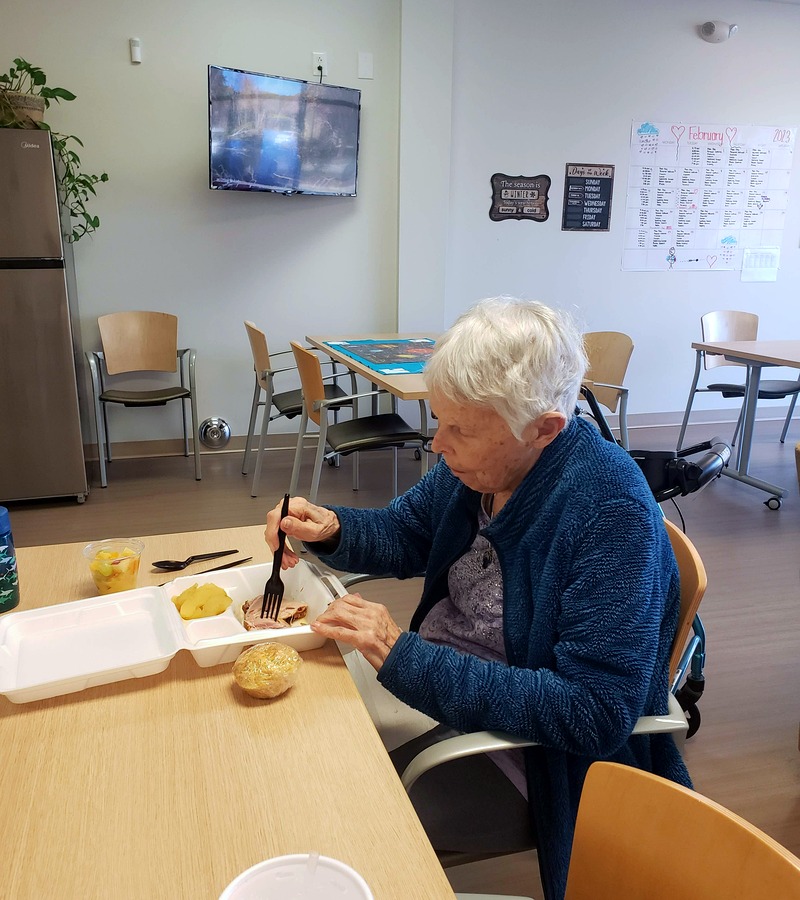
Parkinsons: What Families Need to Know
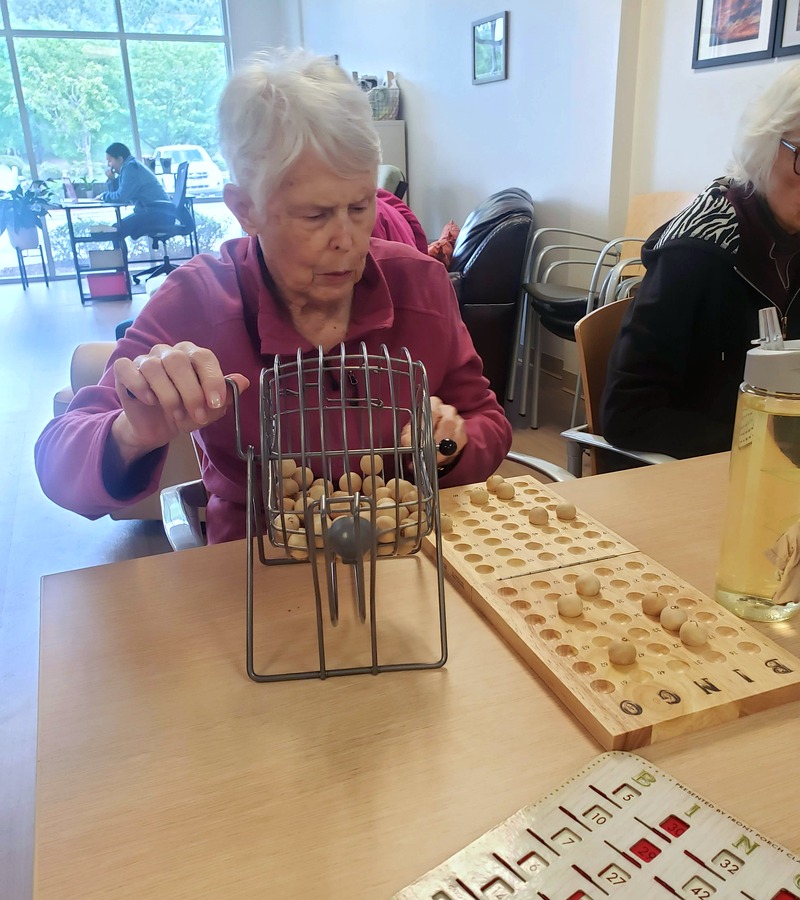
The Stages of Parkinson’s Disease – and What Each Stage Means for the Caregiver
Stage
What the Parent May Look Like
What the Caregiver Role Looks Like
Stage 1 — Mild Symptoms
Mild tremor or stiffness, symptoms mostly on one side, independent with daily activities, still driving and managing most routines
Emotional support, encouraging medical follow-up, helping track symptoms & medications, beginning future planning discussions
Stage 2 — Bilateral Symptoms
Symptoms on both sides of the body, slower movement, increased fatigue, more difficulty with daily tasks
Helping with medication timing, assisting with appointments, monitoring mobility changes, beginning home-safety modifications (medication schedules often become increasingly important at this stage)
Stage 3 — Balance Changes & Fall Risk
Balance problems, increased falls, slower walking, greater difficulty with mobility
Fall prevention, increased supervision, transportation support, assistance with some ADLs, managing caregiver worry & burnout (caregiving responsibilities often increase significantly here)
Stage 4 — Significant Functional Decline
Major mobility limitations, need for substantial ADL assistance, difficulty standing or walking independently, more cognitive or emotional symptoms
Daily hands-on care, transfers & mobility assistance, increased medical coordination, respite planning, considering outside caregiving support; many families require in-home care, adult day support, mobility equipment, and structured respite
Stage 5 — Advanced Parkinson’s Disease
Wheelchair or bed-bound, full dependence for care, swallowing difficulties, significant cognitive or medical complications
Full-time caregiving, feeding assistance, incontinence care, complex medical coordination, end-of-life planning, hospice discussions (caregiving often becomes physically and emotionally overwhelming without substantial support)
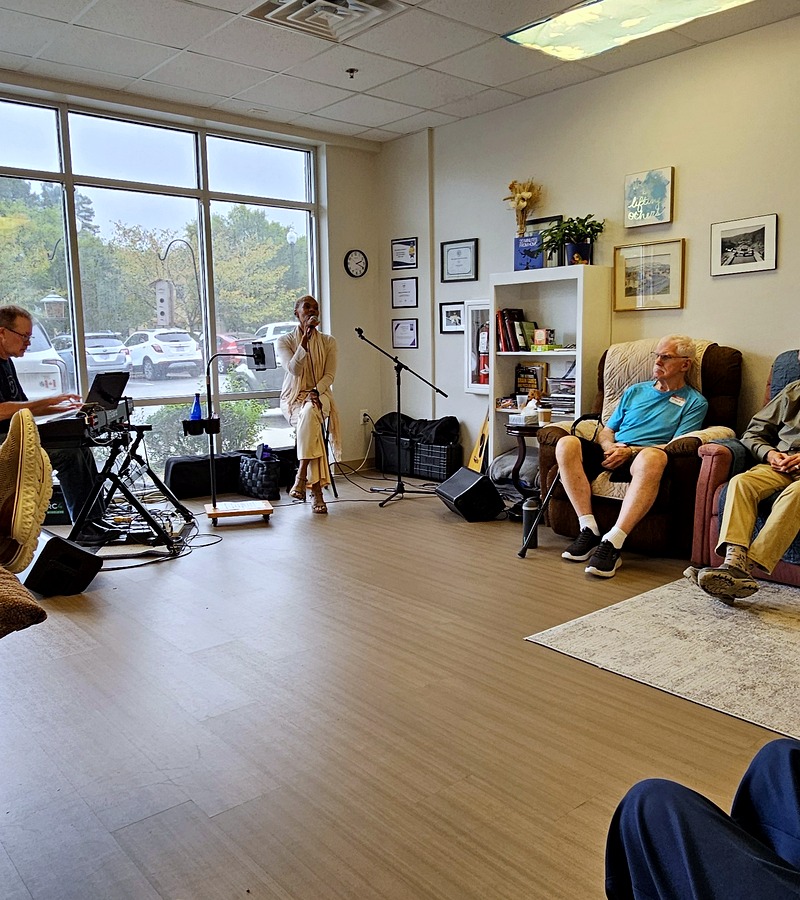
When In-Home Parkinson’s Care Helps
In-Home Care Often Helps When:
Mobility Decline Makes Transportation Difficult
Evening or Overnight Coverage Is Needed
Medication Schedules Become Complex
When Adult Day Care Helps
Adult Day Care Often Helps When:
Movement & Activity Help Maintain Function

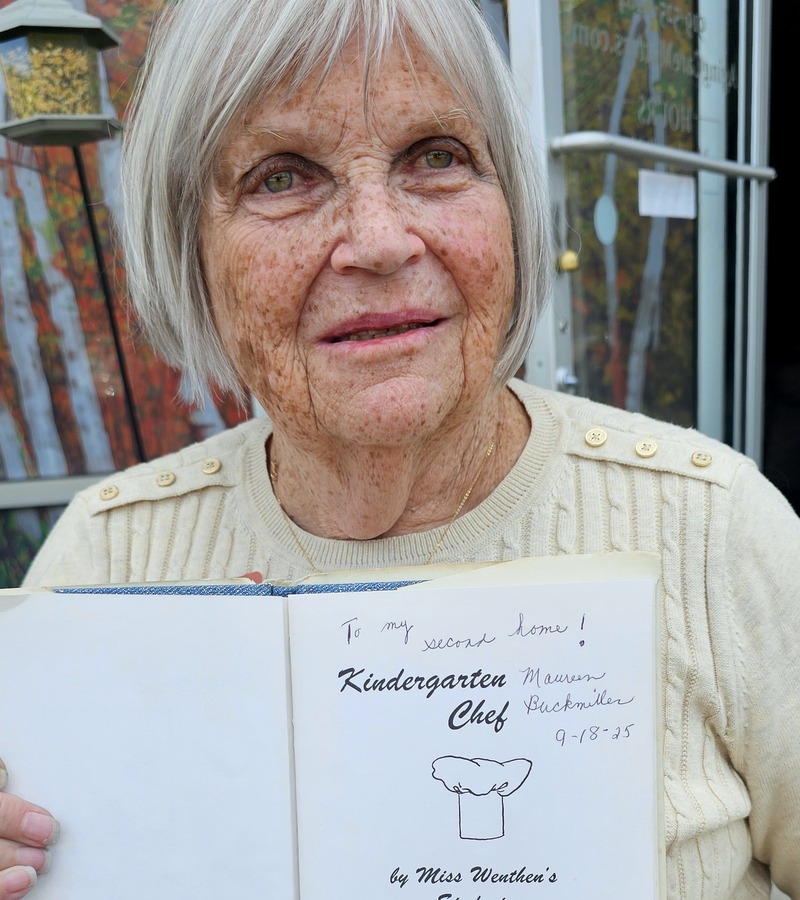
How Aging Care Matters Supports Parkinson’s Families in the Triangle
Care Management
Adult Day Centers
A Note From Carla, Our Owner and Founder

Parkinson’s Care FAQ
How long can someone with Parkinson’s live at home?
Will my parent develop Parkinson’s dementia?
What causes freezing episodes?
Are tremors the worst part of Parkinson’s?
Why is medication timing so important?
When should we consider in-home help?
