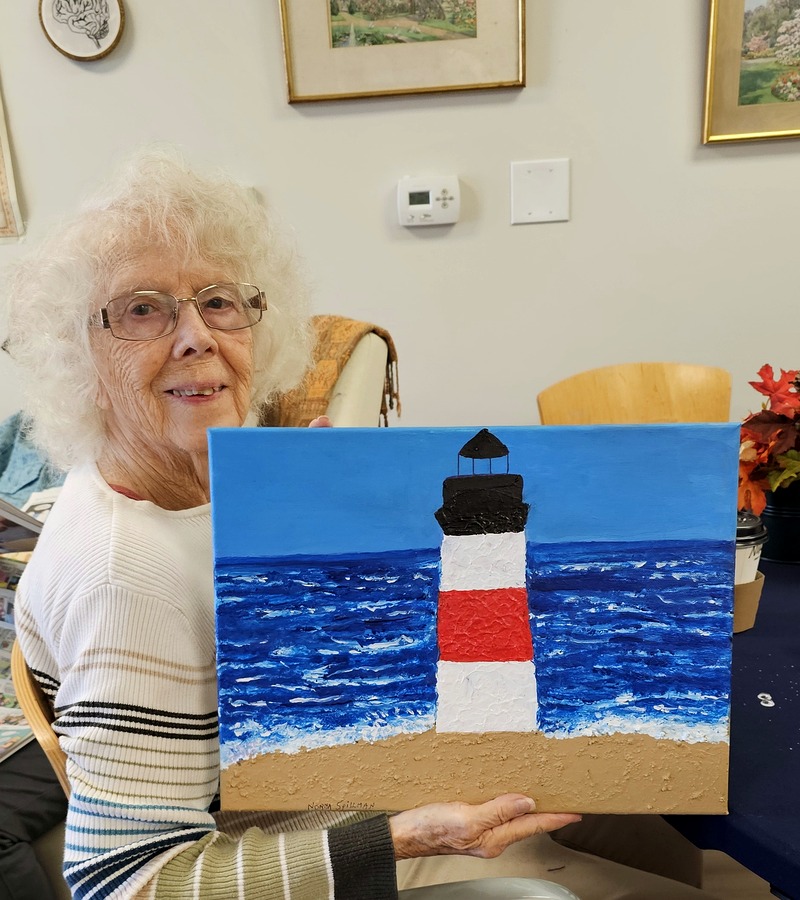
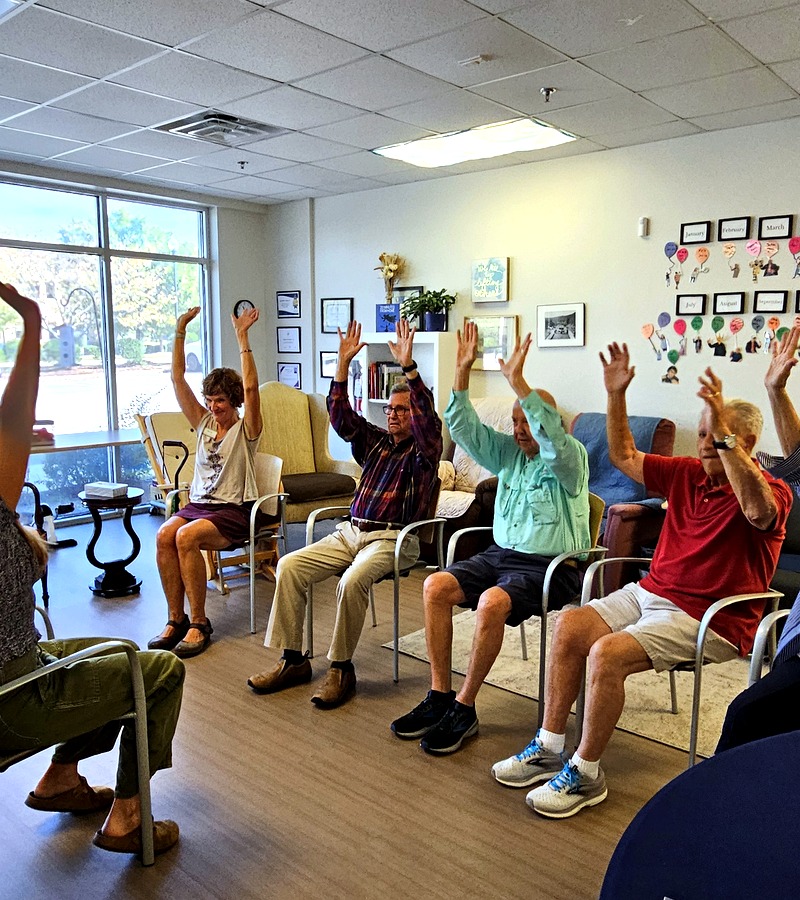
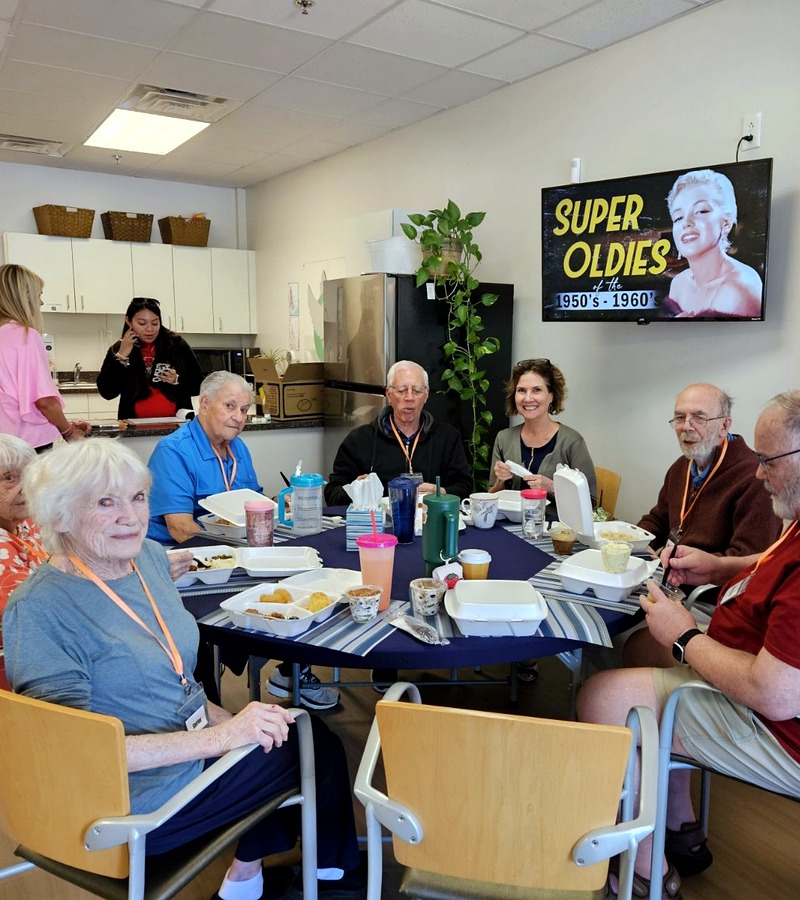
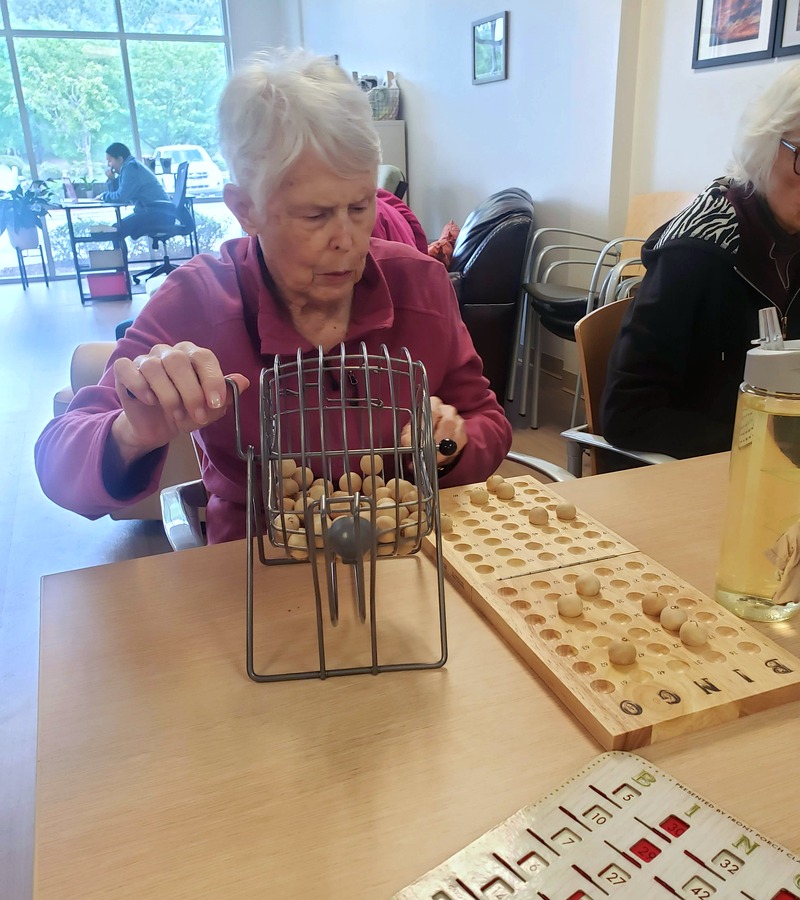
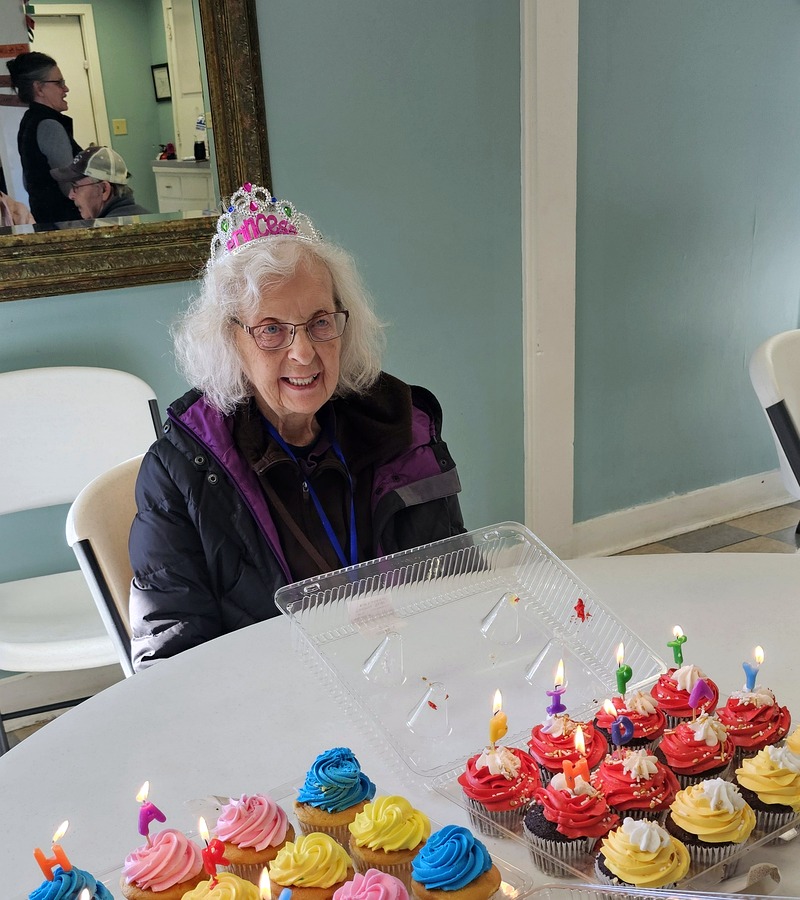
If you walked into one of our centers at 11am, you would not see older adults sitting silently in front of a television. You would hear laughter, music, conversation, maybe someone singing along to a familiar song, another person painting, someone proudly answering trivia questions, and staff sitting beside participants genuinely engaging with them — not hovering over them. You might also witness a quieter moment: someone being gently reassured during confusion, a hand being held, or a staff member redirecting anxiety with patience and dignity. A real day at ACM is not perfect or staged because dementia and aging are real life. Some participants are energetic and social while others may be tired, confused, repetitive, grieving, or uncertain. What families consistently witness is warmth, routine, compassion, movement, encouragement, and human connection. Most importantly, they see their loved one known by name, cared about as a person, and no longer spending the day isolated and alone. Participants arrive throughout the morning and are warmly greeted by staff right at their vehicle before being escorted inside to begin the day comfortably and calmly. Fresh coffee, tea, and a light breakfast snack are available while participants settle in, socialize, and reconnect with familiar staff and friends. All members bring their own refillable water bottles we encourage to drink from throughout the day. Morning conversation often includes current events, weather, music, memories, birthdays, or simple group greetings that help participants feel oriented, included, and engaged. The morning then transitions into gentle stretching, chair exercises, movement, or light dancing activities designed to encourage mobility, circulation, confidence, and a positive start to the day in a relaxed and supportive atmosphere. At ACM, cognitive engagement is intentionally woven throughout the day using evidence-based approaches shown to support individuals living with dementia and cognitive decline. Activities may include reminiscence therapy, music therapy, brain games, word puzzles, trivia, storytelling, sensory activities, life-review prompts, themed discussions, and creative expression designed to stimulate memory, communication, confidence, and emotional connection. Rather than focusing on what a person has lost, our programming focuses on preserving strengths, encouraging participation, reducing isolation, and helping participants experience success, purpose, and joy. Music, familiar memories, routine, and meaningful conversation are especially powerful tools in dementia care because they often remain accessible even as other cognitive abilities change. Creative engagement is an important part of life at ACM and includes art projects, crafts, music, gardening where outdoor space is available, sensory activities, seasonal celebrations, pet therapy visits, and opportunities for intergenerational connection with students and community groups. These activities encourage creativity, movement, conversation, confidence, and emotional expression while helping participants feel purposeful and connected. One recent favorite project involved participants creating colorful mod podge rocks together, each one uniquely designed and full of personality. The largest rock now proudly serves as our center’s doorstop — a daily reminder of the creativity, teamwork, laughter, and sense of ownership our participants bring to the center each day. Movement and physical wellness are incorporated throughout the day at ACM through chair yoga, walking groups, balance exercises, stretching, dancing, and light strength-building activities adapted to each participant’s abilities and comfort level. These activities are designed not only to encourage mobility, circulation, flexibility, and confidence, but also to support balance, coordination, and overall physical function as individuals age. Regular movement and supervised exercise can play an important role in fall prevention by helping older adults maintain strength, stability, endurance, and body awareness. For many participants, these activities also improve mood, reduce restlessness, support better sleep, and provide a greater sense of independence and accomplishment. Meals at ACM are designed to feel comfortable, social, and familiar, with participants often gathering together family-style to share conversation, connection, and community during meals and snacks. Morning snacks, lunch, and afternoon snacks are served throughout the day while staff provide encouragement, assistance when needed, and a calm dining atmosphere that supports dignity and independence. Our meals and snacks are reviewed and approved by a licensed dietician, and ACM carefully follows physician instructions and family guidance regarding low-sodium, diabetic, low-sugar, no-sugar, soft-food, allergy-sensitive, and cultural or religious dietary needs. Hydration is encouraged throughout the day with regular beverage offerings and gentle prompts from staff, as proper hydration plays an important role in cognition, energy, balance, and overall wellness for older adults. Afternoons at ACM intentionally shift into quieter, lower-stimulation activities designed to support comfort, emotional regulation, and reduced anxiety for older adults living with dementia or cognitive decline. Participants may engage in sensory activities, music, reminiscing, art, gentle movement, puzzles, conversation, relaxation, or simply enjoy a peaceful environment with familiar staff and friends. Afternoon snacks and hydration are also incorporated throughout this time. This calmer afternoon rhythm is intentional because many individuals living with dementia experience increased fatigue, confusion, restlessness, or sundowning behaviors later in the day. By reducing overstimulation and focusing on soothing, familiar, and comforting engagement, staff help participants feel more secure, calm, successful, and emotionally regulated before transitioning home with their caregivers. At ACM, community and celebration are woven throughout the year with monthly birthday celebrations, seasonal parties, holiday events, themed activity weeks, family gatherings, occasional outings, and special visitors from the community. Families are often invited to participate in celebrations, and many participants look forward to the familiar traditions, decorations, music, food, laughter, and connection these events bring to the center. One moment that truly captured the spirit of our community happened during a holiday celebration when participants, staff, and family members spontaneously began singing and dancing together to familiar music from decades past. Some participants who had been quieter earlier in the day suddenly lit up — smiling, singing every word, holding hands, and laughing together. It was one of those powerful reminders that even in the presence of dementia, joy, connection, purpose, personality We invite you to visit any of ACM’s three Triangle adult day center locations and experience firsthand the warmth, engagement, compassion, and peace of mind families often tell us they feel the moment they walk through our doors. Whether you are seeking support for a loved one living with dementia, need caregiver respite, or simply looking for more structure and social connection for an older adult, our team would be honored to meet you, answer your questions, and help you determine whether ACM is the right fit for your family. Call us today to schedule a tour, ask questions, and learn how adult day care can help support both your loved one and your entire family.
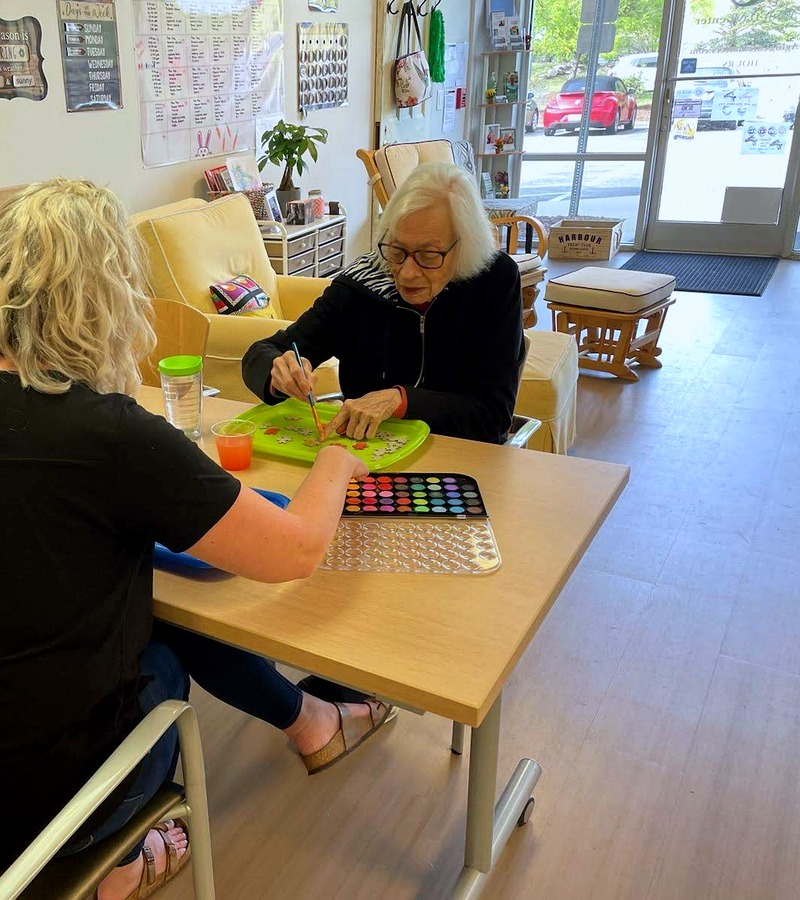
A Unique Adult Day Care Center Experience
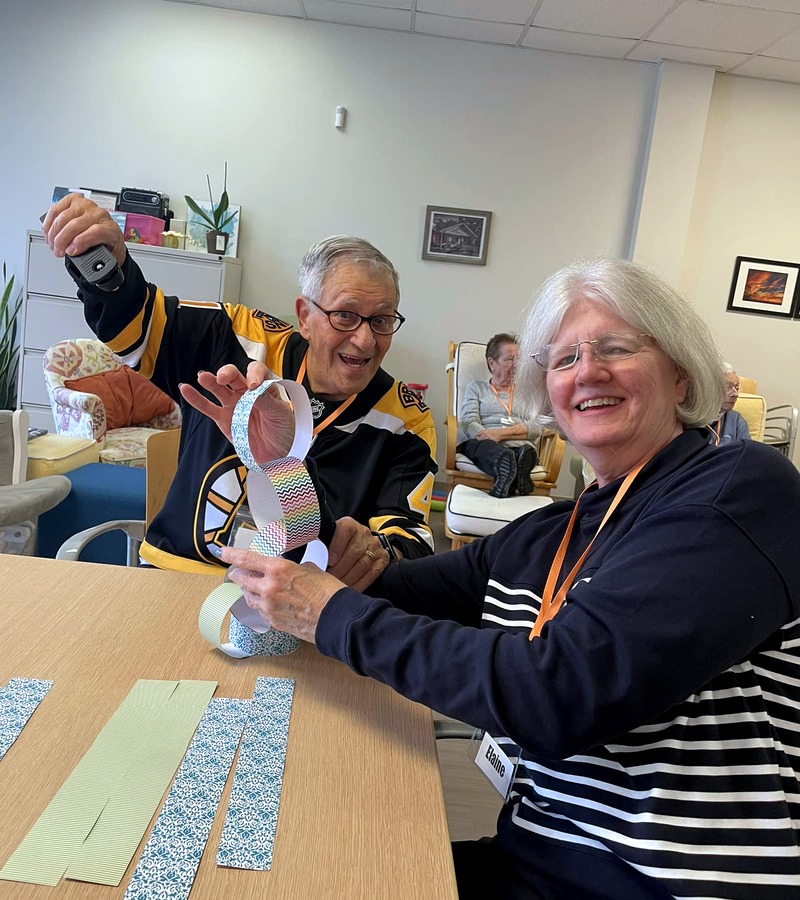
A Sample Day at ACM Adult Day Centers
Time
Activity
Description
7:30 AM – 10:00 AM
Morning Arrivals & Greetings
Participants are welcomed at their cars by staff, escorted inside, offered coffee or tea, and helped settle comfortably into the day.
Conversation & Connection Time
Morning conversation, music, newspapers, reminiscing, and social interaction help participants ease into the day feeling calm and connected.
Morning Movement & Exercise
Gentle stretching, chair exercises, dancing, or guided movement activities encourage mobility, circulation, confidence, and fun.
10:00 AM
Cognitive & Creative Activities
Participants may enjoy trivia, themed discussions, art projects, games, music therapy, educational programs, gardening, or dementia-focused engagement activities.
11:00 AM
Group Engagement & Laughter
This is often the most energetic part of the day with singing, storytelling, conversation, games, movement, and meaningful social connection happening throughout the center.
12:00 PM
Lunch & Social Time
Participants enjoy lunch together in a relaxed and supportive environment while staff encourage hydration, dignity, conversation, and independence.
1:00 PM
Rest & Quiet Engagement
After lunch, some participants relax quietly while others enjoy puzzles, music, reading, one-on-one interaction, or lower-stimulation activities.
2:00 PM
Afternoon Programming
Afternoon activities may include themed events, art, cultural programs, exercise, music, reminiscence activities, or interactive group discussions designed to support cognition and emotional well-being.
3:00 PM
Snacks & Calm Transition Activities
Participants enjoy afternoon snacks while staff intentionally shift toward calmer, comforting activities that help reduce fatigue, anxiety, or sundowning behaviors later in the day.
4:00 – 5:30 PM
Pickup & End-of-Day Support
Staff escort participants safely to their vehicles, assist with transitions home, and help caregivers feel informed, supported, and reassured at the end of the day.
8:00 AM – 10:00 AM – Welcoming Into the Day
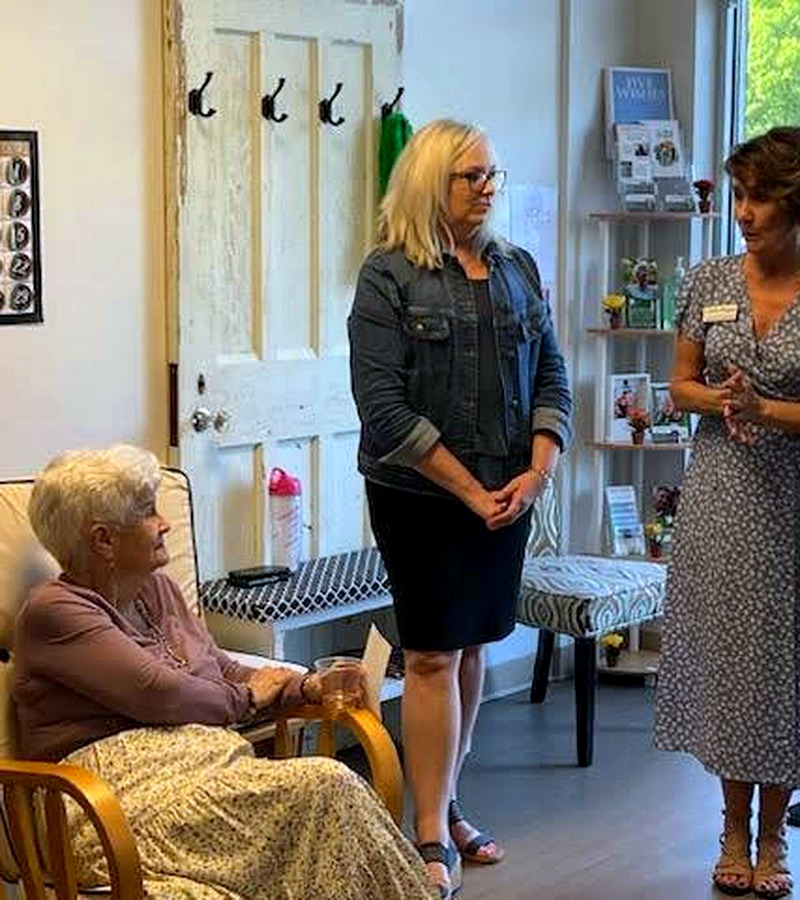
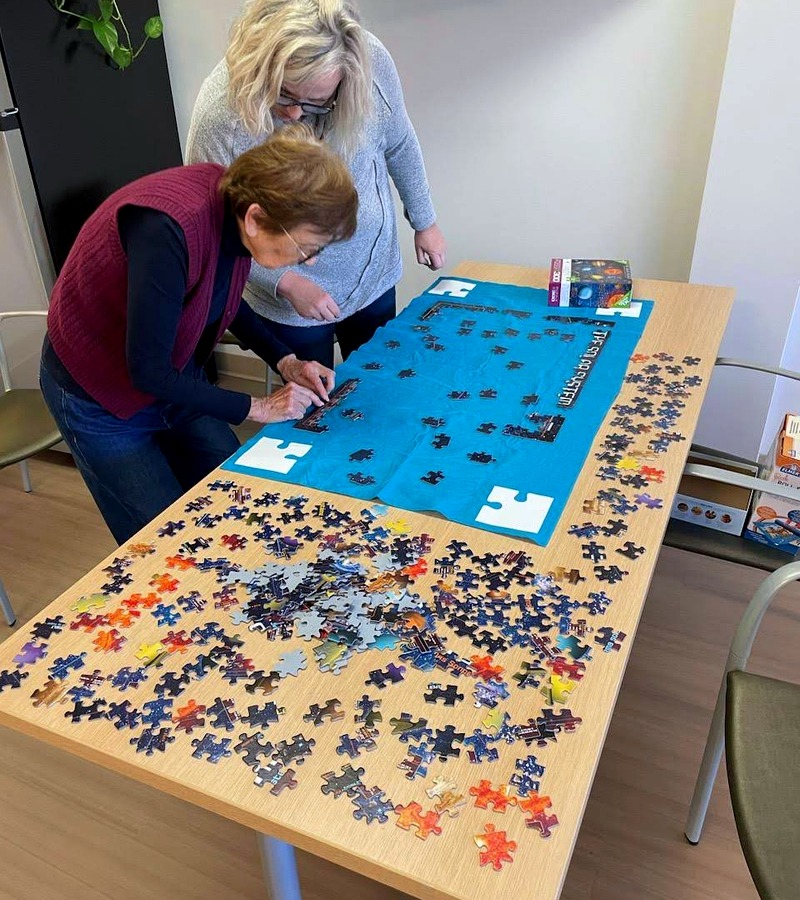
10:00 AM – Cognitive Activities
10:00 AM – Creative Activities
10:00 AM – Physical Activity
Lunch
2:00 PM – 4:00 PM | Calmer Afternoon Engagement
Special Events
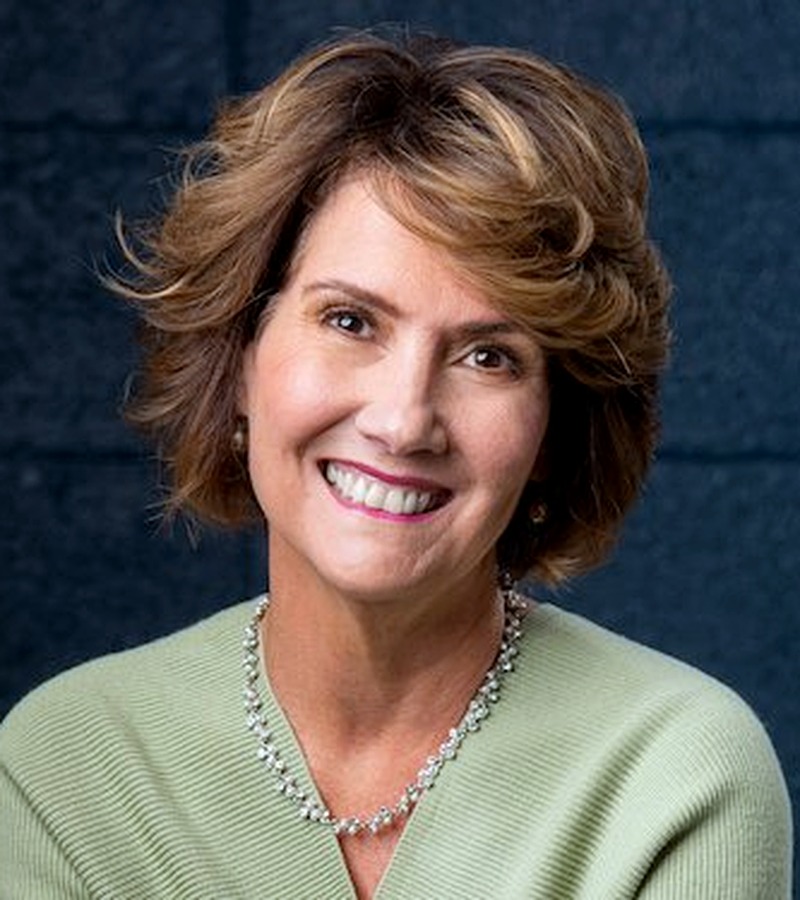
A Note From Carla, Our Owner and Founder
Wake Forest
Durham West
