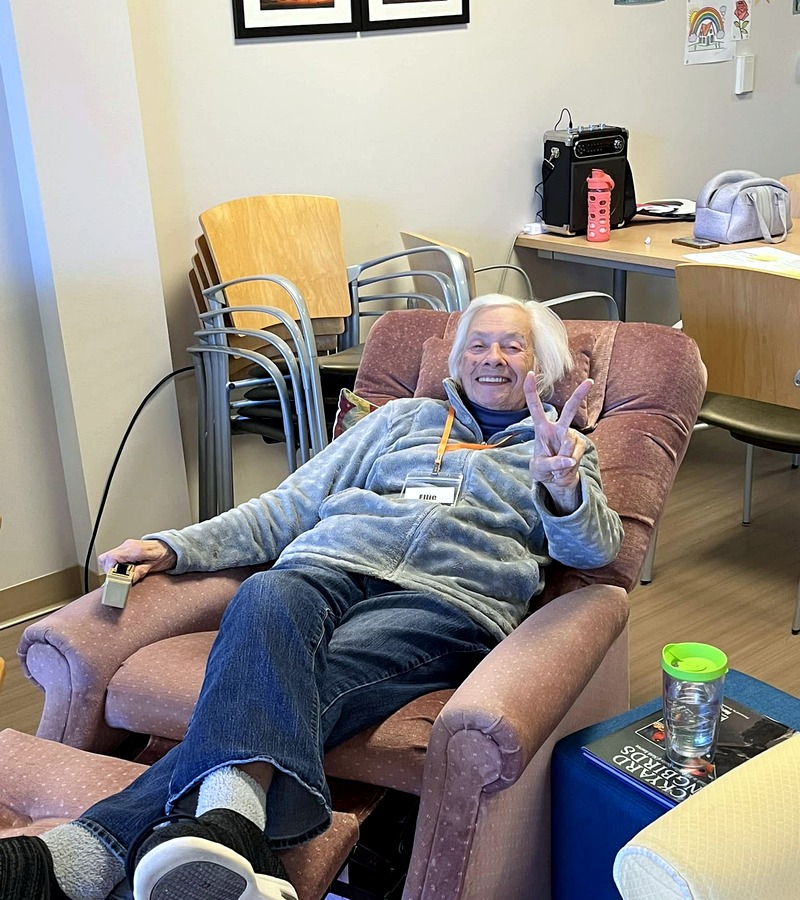
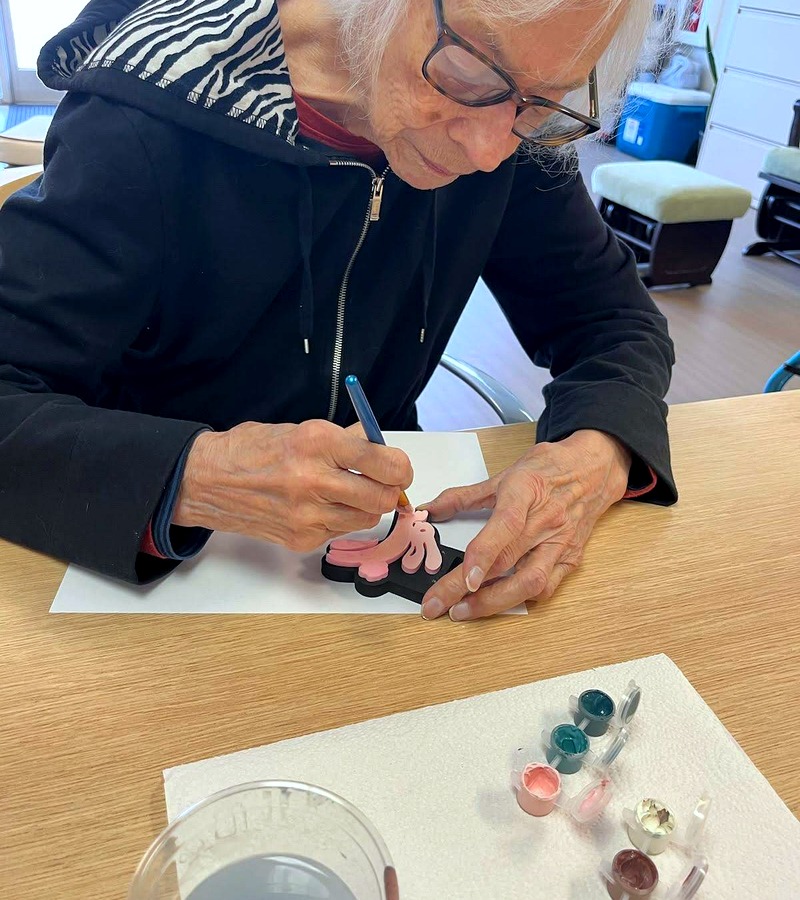
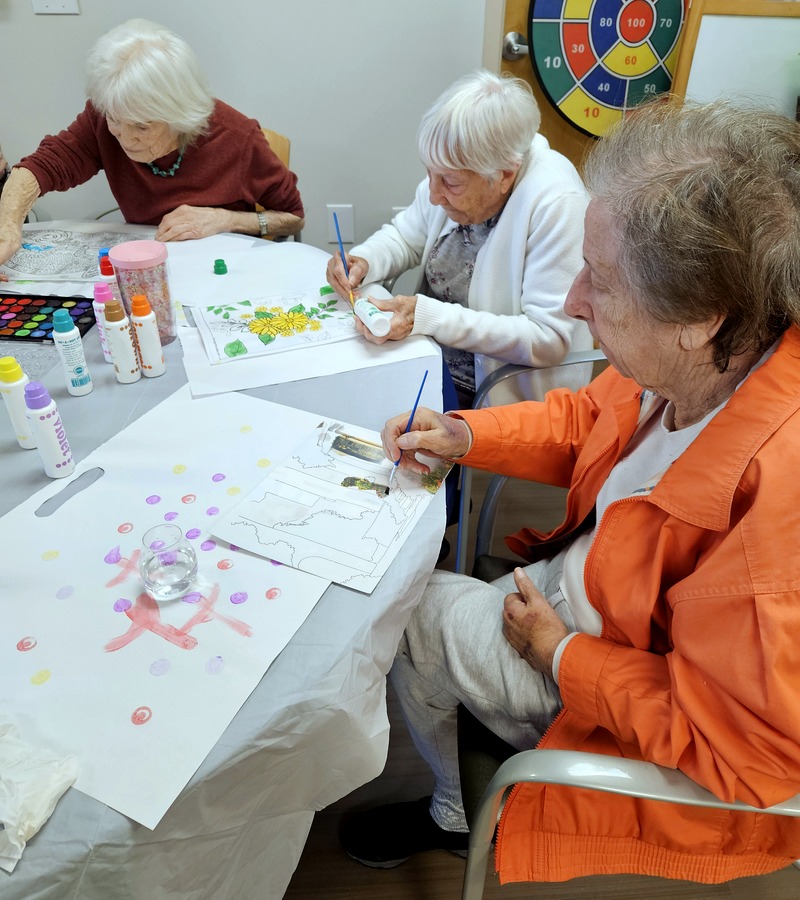
For many families, this decision comes from love, loyalty, comfort, finances, or the belief that home still feels safest and most familiar. It can also feel overwhelming once the reality of daily caregiving sets in. The Aging Care Matters team is here to help you. Your parent has Alzheimer’s, and you’ve decided to keep them at home as long as possible. For many families, this decision comes from love, loyalty, comfort, finances, or the belief that home still feels safest and most familiar. It can also feel overwhelming once the reality of daily caregiving sets in. Alzheimer’s gradually changes memory, judgment, communication, safety awareness, sleep patterns, and eventually the ability to manage even basic daily tasks independently. Many families successfully care for a loved one with Alzheimer’s at home for years – especially when they build support systems early instead of waiting for a crisis. One of the hardest realities for families is that caregiving responsibilities increase gradually enough that many caregivers do not realize how much they are carrying until they are already exhausted. In-home Alzheimer’s care is often the best fit when remaining in familiar surroundings reduces anxiety, confusion, or distress. It tends to work best in a few situations. In the later stages of Alzheimer’s, transitions and unfamiliar environments can become extremely disorienting, and some individuals tolerate transportation, group settings, and new environments poorly, doing better with care brought into the home. Many individuals also feel safest at home with recognizable routines, familiar objects, predictable spaces, and long-established habits, which can reduce anxiety and behavioral escalation. And for families who want one-on-one attention, in-home care provides individualized support, including: Some families also prefer the privacy and flexibility of home-based care. In-home Alzheimer’s care in North Carolina typically averages ~$35–$40+/hour, with costs increasing significantly when families require full-day coverage, overnight care, or 24/7 supervision Adult day care is often one of the most effective and sustainable supports for families caring for someone with Alzheimer’s. It tends to work best in a few situations. During the early-to-mid stages, many individuals still benefit greatly from socialization, activities, cognitive stimulation, structured routines, and conversation and companionship. Because isolation often worsens confusion, depression, withdrawal, and sleep disruption, structured adult day programming may help: Adult day care is also valuable when the family cannot sustain full-time in-home care costs. It provides full daytime supervision, meals and activities, structured programming, and caregiver respite at a fraction of the cost of paying privately for 8–10 hours of daily in-home care. Aging Care Matters provides dementia-informed adult day care in Wake Forest and Durham – Golden Horizons. Our programming is designed specifically with dementia caregiving realities in mind, including structure, routine, relationship-centered support, and awareness of late-day behavioral changes. Our professional care management team helps families: We help families move from reactive crisis management to structured support. Aging Care Matters Adult Day Centers provide: Locations include Wake Forest and Durham – Golden Horizons. Families often call us during: Our role is to help stabilize the situation, identify options, and guide families toward sustainable next steps. If your family is navigating Alzheimer’s caregiving and feeling overwhelmed, a free 30-minute consultation can help clarify what support options may help most right now. If you are feeling overwhelmed and unsure what steps to take next, we invite you to schedule a free 30-minute consultation. There is no pressure and no obligation – just an opportunity to talk through your concerns with an experienced aging care professional. Call us at 919-525-6464 or schedule a consultation to discuss: There is no single answer. Some individuals remain safely at home for years with appropriate support, while others require higher levels of care sooner because of wandering, falls, behavioral issues, or caregiver burnout. Sometimes this works well. Sometimes it creates significant emotional, financial, and caregiving strain. Families should realistically evaluate supervision needs, home setup, work demands, finances, and long-term sustainability before making this decision. Costs vary widely depending on the level of care needed. Adult day care is usually the most cost-effective option, while full-time in-home care and memory care are significantly more expensive. Dementia is a broad term describing cognitive decline severe enough to affect daily life. Alzheimer’s disease is the most common specific type of dementia. Some individuals want detailed information, while others become highly distressed by repeated discussions. Families often benefit from guidance from physicians, therapists, or care managers about how much information is helpful and emotionally appropriate for the individual. Driving should be reassessed when families notice: Driving conversations are emotionally difficult because they involve independence and identity. Adult day care often works best during early-to-mid stages when individuals still benefit from: Memory care may become necessary when:
Alzheimer’s Home Care for Aging Parents
Learn More
Contact Our Team

How Vascular Dementia Differs From Alzheimer’s
The Stages of Alzheimer’s — and What Each Stage Means for the Caregiver
Stage
What the Parent May Look Like
What This Means for the Caregiver
Mild / Early Stage
Forgetfulness, repeating questions, missed appointments, financial mistakes, difficulty multitasking
More oversight than hands-on care. The caregiver often becomes the organizer, reminder system, and planner while helping put legal, financial, and support systems in place early.
Moderate / Middle Stage
Increased confusion, wandering risk, agitation, personality changes, difficulty with bathing/dressing/medications
The caregiver role becomes daily supervision and behavioral management. Safety, structure, respite, and caregiver burnout become major issues.
Severe / Late Stage
Limited communication, incontinence, mobility decline, swallowing issues, total dependence
Caregiving becomes physically and emotionally intensive with 24/7 ADL support, transfers, feeding assistance, medical coordination, and end-of-life planning.
When In-Home Care for Alzheimer’s Is the Right Answer
When In-Home Alzheimer’s Care Makes Sense
Typical Cost
When Adult Day Care for Alzheimers’ Is the Right Answer
How Aging Care Matters Helps Triangle Families With Dementia
Care Management
Adult Day Centers
Crisis Support
A Note From Carla, Our Owner and Founder

Alzheimer’s Care FAQ
How long can someone with Alzheimer’s live at home?
Should I move in with my parent?
How much does Alzheimer’s care cost?
What’s the difference between Alzheimer’s and dementia?
How do I tell my parent about the diagnosis?
When should we stop driving?
When should we consider adult day care?
When is it time for memory care?
