Topics Covered: Many caregivers believe they should simply “handle it better.” They push through fatigue, ignore their own medical needs, stop seeing friends, cancel appointments, lose sleep, and slowly build their entire lives around caregiving. Over time, burnout can begin affecting memory, immune function, blood pressure, depression, anxiety, decision-making, and even the caregiver’s own safety. The moment we most often see burnout shift from manageable to dangerous is when caregivers stop functioning as themselves. They become chronically exhausted, emotionally numb, angry all the time, isolated, forgetful, hopeless, physically ill, or unable to think clearly. Sometimes we see spouses in their 70s or 80s trying to provide around-the-clock care while their own health rapidly declines. Other times, adult children are trying to juggle careers, parenting, finances, and caregiving until they simply break emotionally or physically. By the time many families ask for help, the caregiver is often already operating far beyond healthy limits. Caregiver burnout is the physical, emotional, and mental exhaustion that develops when caregiving responsibilities continue for too long without enough rest, support, relief, or recovery. It often builds slowly over time as caregivers carry constant worry, interrupted sleep, emotional strain, financial stress, and the ongoing responsibility of caring for someone whose needs continue increasing. It is important to understand that caregiver burnout is different from normal caregiver stress. Caregiver stress is common and expected during difficult periods such as hospitalizations, medical crises, or major transitions. Stress may come and go depending on circumstances. Burnout happens when the stress never fully stops and the caregiver’s body and mind no longer have the ability to recover. Burnout is also different from clinical depression, although the two can overlap. Depression is a medical condition that may require professional treatment, therapy, medication, or other mental health support. Burnout is specifically connected to the ongoing demands and emotional strain of caregiving, though untreated burnout can absolutely contribute to depression, anxiety, health problems, and serious emotional decline over time. You feel exhausted most of the time, even after sleeping or resting. The tiredness begins feeling constant rather than temporary. Small things suddenly feel overwhelming. You may find yourself snapping more easily, feeling angry more often, or losing patience with others, including the person you are caring for. You stop returning calls, cancel plans, isolate yourself, or slowly disconnect from relationships and activities that once mattered to you. You postpone your own doctor appointments, ignore symptoms, stop exercising, eat poorly, or place your own health needs at the very bottom of the list. You may struggle falling asleep, wake repeatedly during the night, sleep too little, or sometimes sleep excessively because your body is overwhelmed. Burnout commonly affects eating patterns. Some caregivers lose interest in food, while others emotionally overeat from stress and exhaustion. Chronic stress weakens the immune system. Many burned-out caregivers notice more illnesses, headaches, stomach problems, body pain, or worsening chronic health conditions. You begin feeling trapped, resentful, angry, or emotionally disconnected from the person you are caring for. This can create enormous guilt, but it is also a common warning sign of burnout. Activities, hobbies, friendships, or routines that once brought joy no longer feel important, enjoyable, or worth the effort. Some caregivers begin having thoughts like: These thoughts can feel frightening and isolating, but are often signs the caregiver has exceeded healthy limits. Perhaps the most serious sign is feeling like nothing will improve and there is no end in sight. Caregivers may begin believing they are completely alone, trapped, or unable to continue. Burnout rarely happens all at once. Most caregivers slide into it gradually while telling themselves they just need to “push through a little longer.” Caregiver burnout is not simply about feeling overwhelmed. Prolonged caregiving stress has very real physical and emotional health consequences. Research consistently shows that family caregivers experience higher rates of anxiety, depression, sleep disorders, high blood pressure, weakened immune function, cardiovascular disease, and chronic health problems. In severe cases, chronic caregiver stress can even contribute to increased mortality risk for the caregiver themselves. Burnout also affects the quality of care the older adult receives. Exhausted caregivers are more likely to become impatient, emotionally reactive, forgetful, isolated, or physically unable to safely continue caregiving responsibilities. Many caregivers wait until they are already in crisis before seeking help, when earlier support, respite, and shared responsibility could have protected both the caregiver and the person they love. One of the biggest mistakes caregivers make is waiting until they are already physically or emotionally depleted before seeking respite. Respite is not a luxury, a reward, or something caregivers “earn” after reaching a breaking point. It is a necessary part of sustainable caregiving. Regular breaks allow caregivers to rest, attend appointments, reconnect with relationships, recover emotionally, and simply step away from constant responsibility for a time. Without relief, even the most devoted caregiver eventually begins operating in survival mode. Respite can take different forms depending on the family’s situation: For many families, the most successful caregiving plans are not built around “doing it all alone,” but around building consistent support into the routine before crisis hits. For a deeper discussion of respite options, how to pay for them, and how families can begin accepting help without guilt, see our Respite Care Guide. One of the hardest parts of caregiving for many people is accepting help. Caregivers often feel guilty asking, worry about burdening others, or believe it is simply easier to do everything themselves. At the same time, friends and family frequently do care. They just do not know what would actually be helpful. That is why broad statements like “Let me know if you need anything” almost never work. The caregiver is already overwhelmed and now must also figure out what to ask for, who to ask, and how to coordinate it. Most simply say, “We’re fine,” even when they are drowning. Specific requests work much better. Instead of “Can you help more?” try: Neighbors and friends often want concrete ways to contribute too: The caregivers who last the longest are usually not the ones doing everything alone. They are the ones who slowly build a circle of support and allow others to carry part of the weight. One of the biggest hidden drivers of caregiver burnout is not just the hands-on care; it is the constant mental load. Keeping track of medications, appointments, specialists, insurance paperwork, symptoms, hospital instructions, phone calls, and changing information can become overwhelming very quickly. The more disorganized the system becomes, the more exhausted the caregiver becomes. Creating simple systems reduces stress, prevents mistakes, and helps caregivers stop carrying everything in their heads all the time. Helpful strategies may include: Even small organizational systems can dramatically reduce cognitive overload and help caregivers feel more in control. Many caregivers are surprised by how much burnout improves when they stop trying to mentally juggle every detail alone. Reducing the constant “mental tabs open” feeling is often one of the first steps toward emotional recovery. Caregivers often slowly stop taking care of themselves while focusing on everyone else. The basics that tend to disappear first are often the very things that keep people functioning emotionally and physically. Common things caregivers neglect: Over time, constant stress and exhaustion can lead to burnout, depression, anxiety, high blood pressure, weakened immunity, and serious health problems. The self-care practice we see make the biggest difference is not something fancy; it is consistent, scheduled respite. Caregivers who have a predictable time each week to rest, work, attend appointments, see friends, or simply breathe are far more likely to stay emotionally and physically healthy long term. Many caregivers believe they should be able to “handle it” on their own. In reality, caregiving is emotionally exhausting, isolating, and grief-filled at times. Talking with a therapist or connecting with other caregivers is not a sign of weakness; it is often one of the healthiest and most protective things a caregiver can do. Professional support can help caregivers: Support groups also remind caregivers they are not alone. Simply hearing “me too” from others walking a similar path can be incredibly relieving. Helpful Triangle-area resources include: Caregivers deserve support, too. They were never meant to carry this level of responsibility completely alone. Many caregivers reach a point where the hardest part is no longer the hands-on care itself; it is the nonstop coordination, decision-making, crisis management, paperwork, medical communication, and emotional pressure of trying to hold everything together alone. A professional care manager helps reduce that cognitive and emotional load by stepping into many of the roles that quietly exhaust caregivers over time. This may include coordinating appointments, communicating with providers, helping families understand options, advocating during hospitalizations, monitoring changing needs, assisting with long-term planning, connecting families to resources, and helping guide difficult decisions before situations become crises. For many caregivers, simply having an experienced professional helping organize the chaos and share responsibility can dramatically reduce stress, improve decision-making, and help families feel less alone during an incredibly demanding season of life. Many caregivers do not realize how many community resources exist until they are already overwhelmed. While programs vary by county, funding availability, and eligibility, these organizations are often excellent starting points for support, education, respite assistance, and care coordination. Area Agencies on Aging help connect caregivers to local resources, benefits counseling, respite programs, transportation, caregiver education, and support services. Support groups can reduce isolation and provide practical guidance from others walking through similar experiences. Organizations offering caregiver support groups in the Triangle may include: Some caregivers may qualify for respite vouchers or limited financial assistance programs that help offset care costs. Potential sources include: Availability and funding levels often change yearly and may involve waitlists. The CAP/DA program is a North Carolina Medicaid waiver program that may help eligible adults remain at home rather than enter a nursing facility by providing supportive services, including personal care, respite, and case management support. Eligibility is based on: Families may also find support through: Many caregivers delay seeking support because they assume they will not qualify or believe someone else “needs it more.” Often, simply asking questions early opens doors that families did not realize existed. There is a point where caregiver burnout can shift into depression, severe anxiety, or a true mental health crisis. Warning signs may include persistent hopelessness, panic attacks, emotional numbness, frequent crying, inability to function day-to-day, thoughts of running away, thoughts that loved ones would be “better off without me,” or feeling trapped with no way out. Some caregivers also begin using alcohol, medications, or unhealthy coping behaviors just to get through the day. If these signs are happening, it is important to reach out for help, not later, not when things get “worse enough,” but now. That may mean calling a physician, therapist, trusted family member, clergy member, caregiver support line, or mental health professional. In immediate crisis situations involving thoughts of self-harm or inability to stay safe, caregivers should call 911 or the 988 Suicide & Crisis Lifeline immediately. The warning sign that should always make a caregiver pick up the phone, even before they think they are “bad enough,” is when they begin feeling emotionally trapped and completely alone. That moment matters. Caregivers were never meant to carry all of this by themselves.
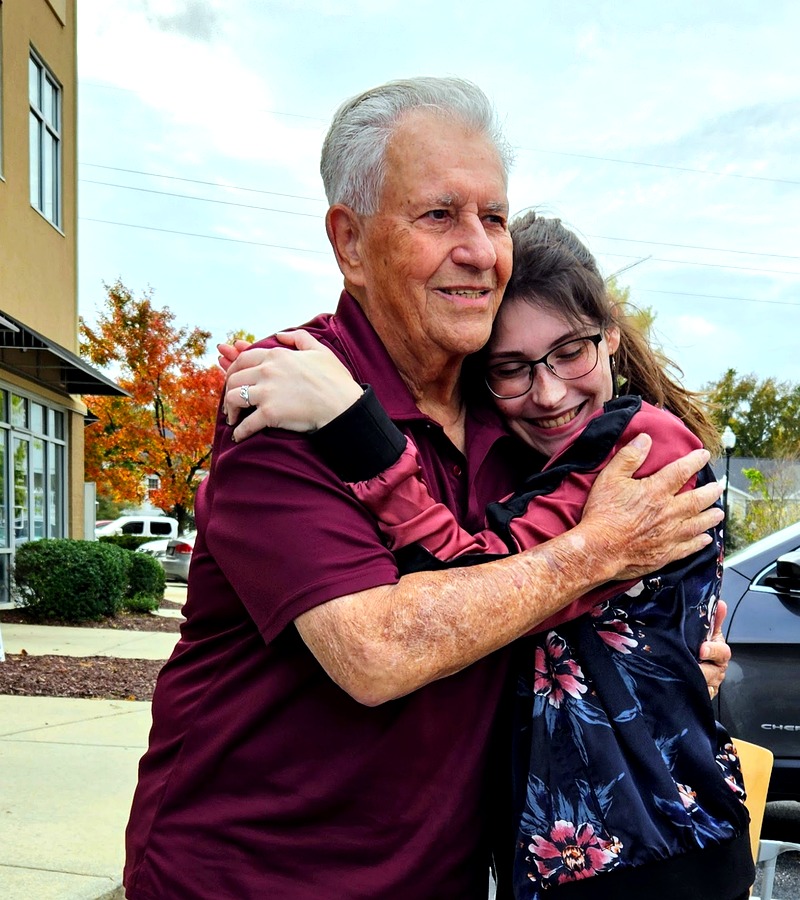 Caregiver burnout is not a personal weakness, a lack of patience, or a sign that someone does not love their family member enough. It is a very real physical, emotional, and mental health issue that happens when a person carries prolonged stress, responsibility, sleep deprivation, worry, grief, and exhaustion for too long without enough support or recovery.
What Is Caregiver Burnout?
11 Warning Signs of Caregiver Burnout You Should Not Ignore
1. Persistent Fatigue
2. Increased Irritability
3. Withdrawing From Friends & Activities
4. Neglecting Your Own Health
5. Sleep Changes
6. Weight Changes or Appetite Changes
7. Getting Sick More Often
8. Growing Resentment Toward Your Loved One
9. Losing Interest in Things You Once Enjoyed
10. Intrusive or Disturbing Thoughts
11. Hopelessness
Why Caregiver Burnout Matters
Strategy 1: Build Respite Into the Plan Before You Think You Need It
Strategy 2: Accept Help, Specifically and Clearly
Strategy 3: Reduce the Medical & Organizational Chaos
Strategy 4: Maintain Your Own Health
Strategy 5: Talk to a Therapist or Join a Support Group
When to Bring in a Professional Care Manager
Free & Low-Cost Caregiver Resources in the Triangle
Area Agencies on Aging
Caregiver Support Groups
Respite Voucher & Caregiver Assistance Programs
CAP/DA Program (Community Alternatives Program for Disabled Adults)
Additional Community Resources
When Burnout Becomes Something More Serious
