Topics Covered: For many long-distance caregivers, the worry never fully turns off. It becomes a constant low-grade anxiety running quietly in the background of daily life while balancing work, children, relationships, finances, and responsibilities in another city or state. One of the most common emotional struggles long-distance caregivers describe is guilt, the feeling that they should somehow be doing more, visiting more, noticing more, or physically being there despite the realities of careers, families, finances, and distance. Long-distance caregiving becomes much more manageable when important information is organized before a crisis happens. Every long-distance caregiver should have a basic system in place to quickly access critical information and communicate with the people involved in their parent’s care. Create one shared, secure location for: Identify: Without a communication plan, families often end up overwhelmed, duplicating efforts, or missing important details. If appropriate and authorized, help your parent set up: Having access to accurate medical information becomes extremely important during hospitalizations, emergencies, or periods of cognitive decline. The goal is not to control every detail remotely. The goal is to reduce chaos, improve communication, and avoid scrambling for information during a crisis. One of the biggest mistakes long-distance caregivers make is relying only on random check-ins or waiting until something feels “wrong” before reaching out. Consistency matters more than perfection. There is no single schedule that works for every family, but most families benefit from creating a predictable rhythm for: For some families, that may mean: For others, less frequent contact may be completely appropriate depending on health, cognition, independence, and available support systems. The goal is not constant monitoring. The goal is to maintain enough regular connection to notice gradual changes in: Predictable routines also provide reassurance for older adults, reduce caregiver anxiety, and make it easier to identify when something has significantly changed. One thing long-distance caregivers often forget during visits is to stop focusing only on tasks and spend time quietly observing how daily life is actually functioning. Small details, such as repeated stories, difficulty following conversations, unopened mail, changes in grooming, confusion in familiar routines, or social withdrawal, often reveal far more than direct questions do. Long-distance caregiving works best when support is shared, not carried entirely by one exhausted family member from far away. One of the most important things families can do is build a small local network of trusted people who can help notice changes, respond during emergencies, and provide occasional support or information. Your local support team may include: No single person can realistically manage every aspect of aging care alone forever. Distributed support matters because: Families who build support systems early often feel significantly less overwhelmed than families trying to manage everything alone from a distance during a crisis. For long-distance families, a geriatric care manager often becomes the trusted local presence that the family simply cannot be without. Care managers are especially valuable when adult children cannot regularly attend appointments, check on the home environment, respond quickly during crises, monitor gradual changes, coordinate multiple providers, or manage the constant communication and logistics that aging care often requires. For distant families, a care manager may: Many long-distance caregivers describe the greatest benefit as peace of mind: knowing there is someone local, experienced, and objective helping oversee the situation when they cannot physically be there themselves. When multiple siblings are involved in caregiving from different cities or states, confusion and resentment can build quickly unless roles and expectations are clearly discussed. One sibling often becomes the “default caregiver,” handling appointments, emergencies, phone calls, and day-to-day decisions, while others may feel disconnected, uncertain how to help, or criticized no matter what they do. Families usually function best when they establish: Helpful tools may include: One important truth many families discover is this: sibling conflict often becomes more stressful than the caregiving itself. Most disagreements are not actually about the parent. They are about fear, guilt, unequal responsibilities, old family dynamics, communication breakdowns, and exhaustion. Clearer structure and communication can significantly reduce tension and help families work together more effectively. One of the hardest realities of long-distance caregiving is that crises rarely happen conveniently or gradually. Families often receive a sudden phone call: In those moments, stress and confusion escalate quickly if no plan already exists. Every long-distance caregiver should know: One family we helped received a late-night call that their father had been hospitalized after a fall and a confusion episode. The adult children lived in different states; no one knew where the legal documents were; no sibling clearly had decision-making authority; and the hospital was asking urgent questions that no one could answer confidently. By the time the family contacted us, emotions were high, siblings were disagreeing, and everyone felt overwhelmed trying to make major decisions remotely. What they later said they wished they had done differently was simple: they wished they had organized the basics earlier, including legal documents, emergency contacts, local support, clearer family roles, and a realistic understanding of how much their father’s condition had already changed before the crisis happened. Long-distance caregiving creates a very specific kind of emotional exhaustion. Unlike hands-on caregivers who are physically overwhelmed, long-distance caregivers often live with constant uncertainty, guilt, helplessness, and hyper-vigilance. The worry rarely fully shuts off because you are trying to care for someone you cannot regularly see with your own eyes. Many long-distance caregivers describe: This type of stress can become emotionally draining even when caregiving tasks themselves are limited. Self-care for long-distance caregivers often looks different from what people expect. It may involve: One of the hardest truths long-distance caregivers face is this: being physically farther away does not mean the emotional weight is lighter. In many cases, the uncertainty makes it even heavier. Long-distance caregiving is one of the situations where professional care management often provides the greatest relief and practical support for families. When you cannot easily attend appointments, respond during emergencies, monitor day-to-day changes, coordinate providers, or regularly check on your loved one in person, having a trusted local professional involved can dramatically reduce uncertainty, overwhelm, and crisis-driven decision-making. Aging Care Matters helps long-distance families by providing: Not every family needs ongoing care management, and we will tell you honestly if a simpler plan or one-time assessment may be enough. Our free consultation helps families talk through the situation, ask questions, and determine whether professional support would truly be beneficial for their specific circumstances. Call 919-525-6464 to schedule your free consultation.
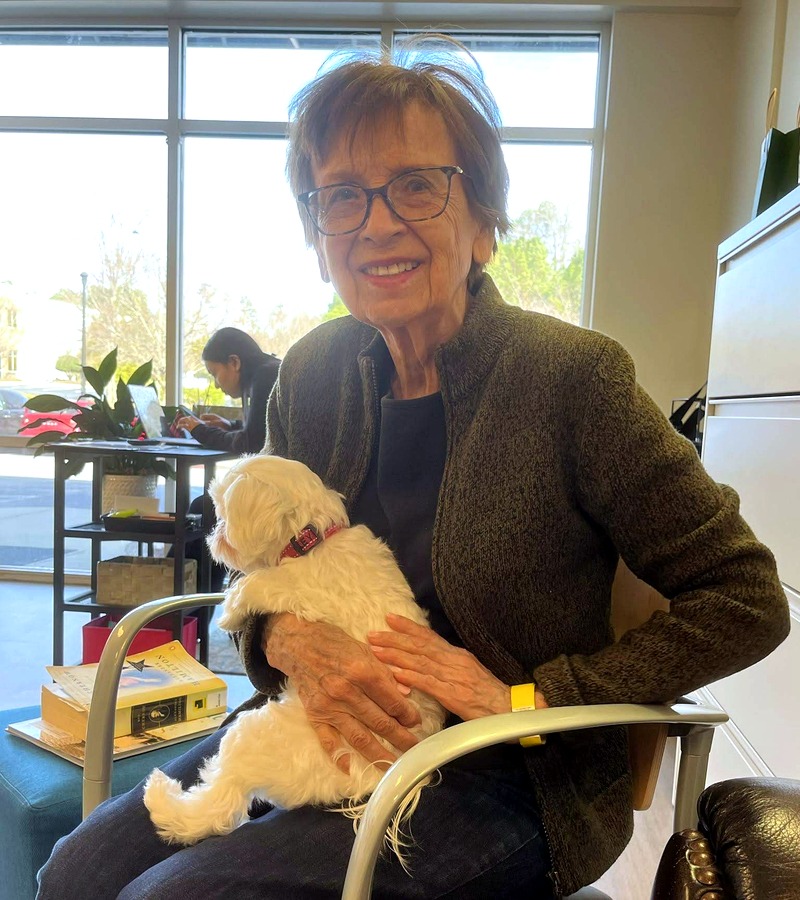 Long-distance caregiving comes with a unique kind of stress. You cannot easily stop by to check on your parent after work. You depend on phone calls, brief visits, neighbors, medical updates, or whatever your parent chooses to tell you. You constantly wonder:
Step 1: Set Up Your Long-Distance Caregiving Toolkit
Essential Documents to Organize
Establish Clear Communication
Access Medical Information When Possible
Create a Predictable Communication Rhythm
In-Person Visit Checklist for Long-Distance Caregivers
Build a Local Support Team Before You Need One
When to Consider a Geriatric Care Manager
Coordinating Care With Siblings
Prepare for a Crisis Before One Happens
Self-Care for the Long-Distance Caregiver
When Long-Distance Families Benefit Most From Aging Care Matters
