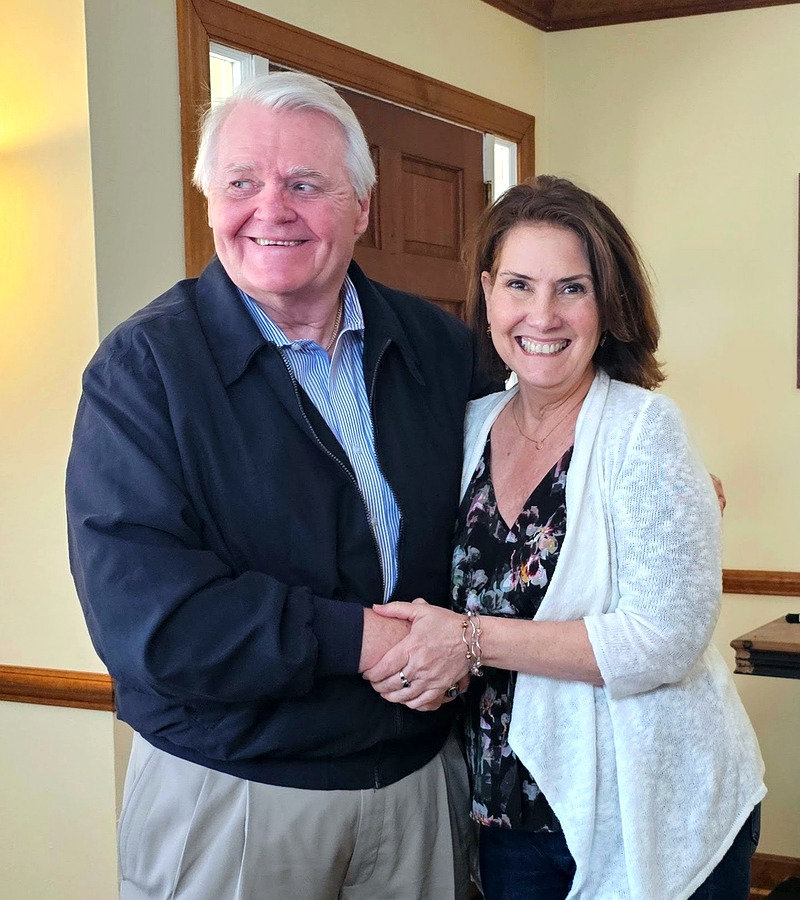
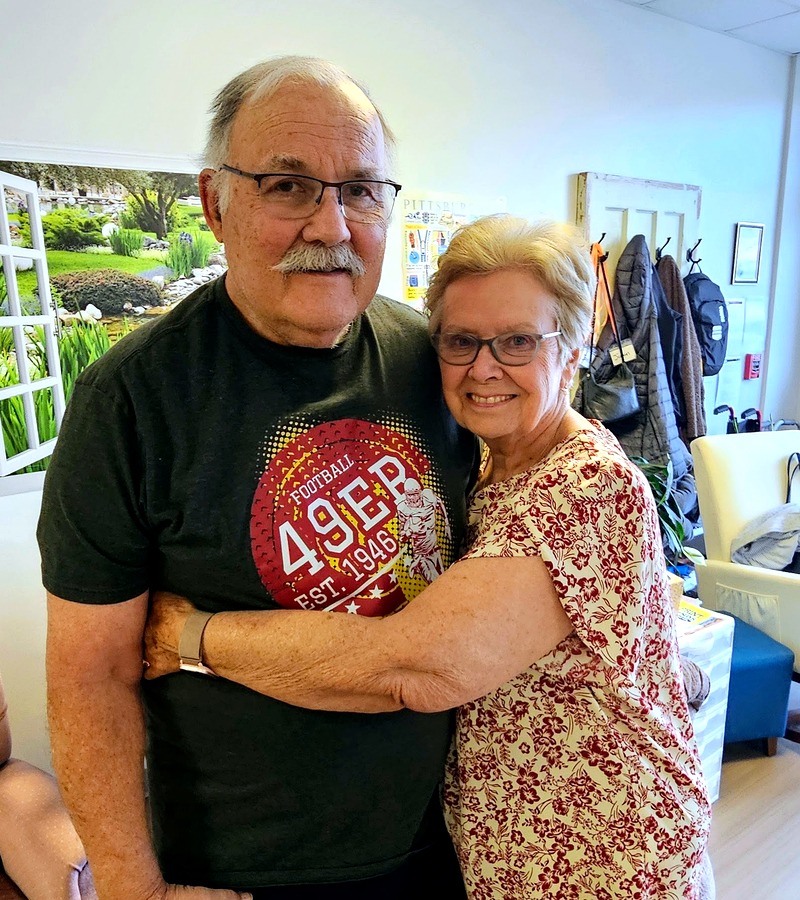
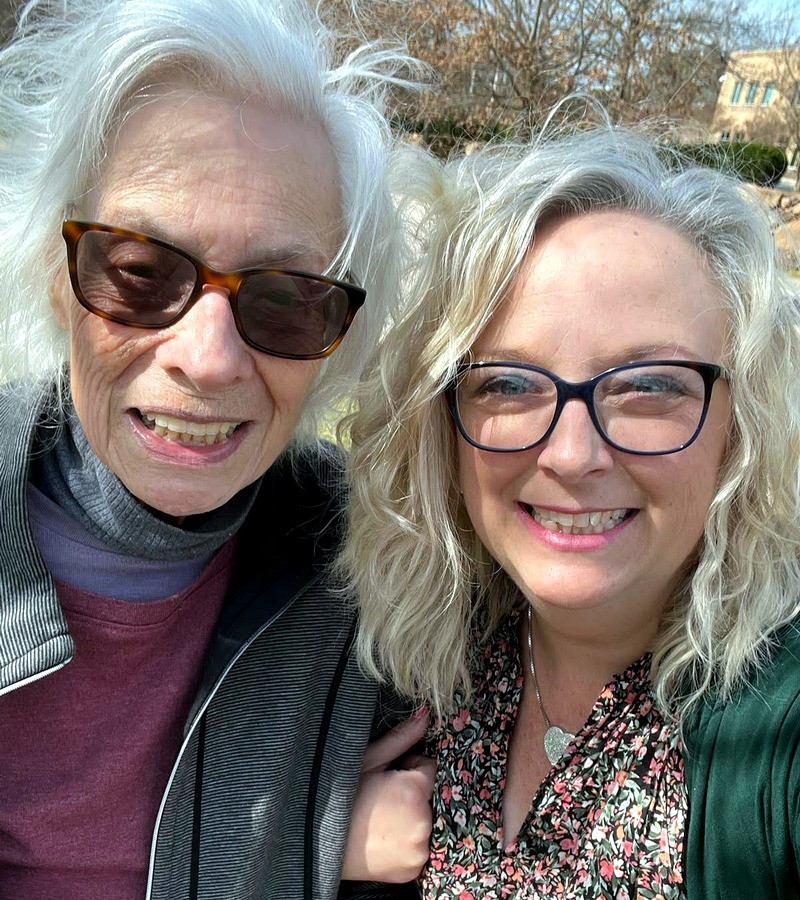
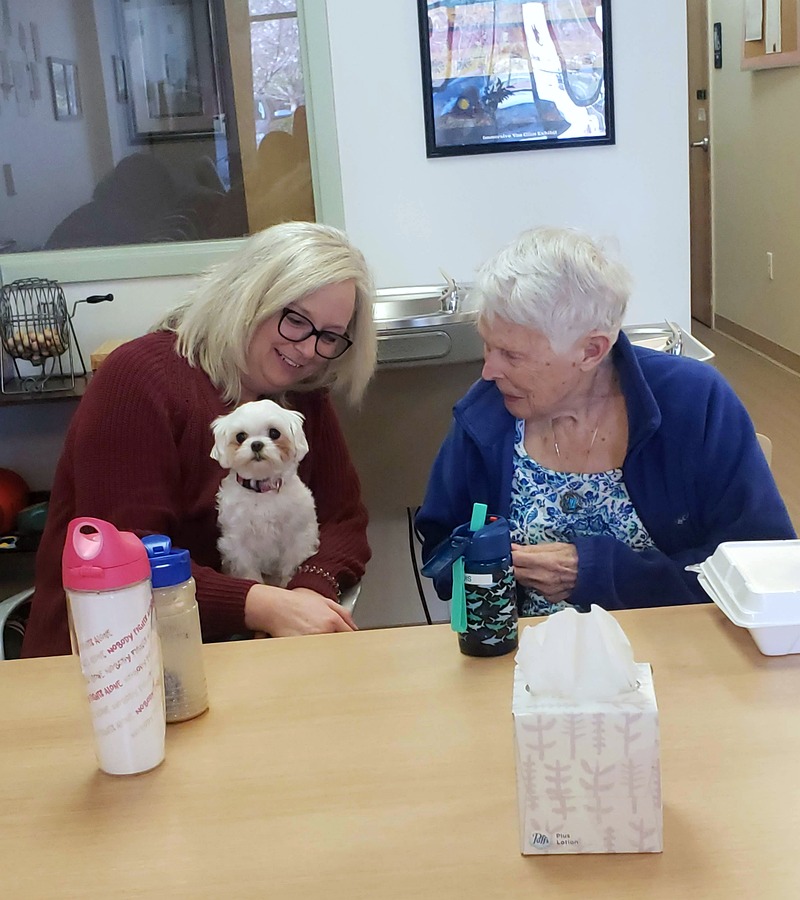
You cannot be there every day. We can. Aging Care Matters provides trusted local advocacy, oversight, and support for adult children and families whose aging parents live in the Triangle while the children and families live elsewhere. Whether you are across the state or across the country, we become your eyes and ears, advocate, and support system on the ground – helping you monitor changes, coordinate care, attend appointments, respond to concerns, and stay informed about what is really happening. For many families, the turning point comes after a crisis phone call: Long-distance caregiving often becomes emotionally exhausting because families are constantly worrying about what they cannot see. Our role is to help replace uncertainty and fear with clearer information, professional oversight, and peace of mind. Most long-distance caregivers only know what their parent chooses to share — and many older adults minimize concerns out of fear, pride, or a desire to remain independent. Families are often left wondering what is really happening day to day. Trying to make medical, safety, financial, or care decisions from hundreds or thousands of miles away can feel overwhelming. Families are frequently forced to make important choices with incomplete information, conflicting opinions, and constant uncertainty. Long-distance caregivers often carry enormous guilt — feeling like they should be there more, should be doing more, or are somehow failing their parent by living elsewhere. The emotional weight of constantly worrying from a distance can become exhausting and isolating. One of the greatest benefits families describe after engaging a care manager is simply the relief of no longer feeling alone in carrying all of the responsibility. My husband smiles again. Before attending the Adult Day Center, he was isolated at home and I was exhausted. Now he has routine, engagement, and people who genuinely care about him. – Donna S., Wife, Durham, NC The staff treats participants like family. My mother is welcomed every morning with warmth, patience, and kindness. That means everything to us. – Rebecca H., Daughter, Wake Forest, NC Adult Day Care gave me the ability to continue working while knowing my father was safe, supervised, active, and not sitting alone all day. – Angela P., Daughter, Raleigh, NC We toured several places and Aging Care Matters felt completely different. It felt personal, compassionate, and relationship-centered from the moment we walked in. – Tom W., Husband, Cary, NC The structure, activities, meals, and socialization have improved my aunt’s mood tremendously. She actually looks forward to going. – Melissa J., Niece, Durham, NC As a caregiver, I finally had time to breathe, go to appointments, run errands, and rest without constant fear or guilt. – Sandra K., Wife, Wake Forest, NC Many of our clients live hours away — or across the country — while trying to support aging parents in North Carolina. They often balance their careers, children, marriages, and responsibilities while constantly worrying about what may be happening back home. Some caregivers simply cannot repeatedly leave work, travel on short notice, or spend hours coordinating medical appointments, hospital calls, and care needs remotely. We help reduce the pressure by becoming a trusted local presence who can respond, assess situations, and coordinate care on the family’s behalf. In many families, one adult child quietly becomes “the responsible one” handling the calls, decisions, appointments, and emergencies — often while siblings live elsewhere or remain less involved. We help support the primary caregiver while improving communication, coordination, and shared understanding among family members. Our long-distance caregiving support is tailored to each family’s needs, concerns, and level of involvement desired. Services may include: Our goal is to help families feel informed, connected, and reassured — even from hundreds or thousands of miles away. When adult children travel into town, time is precious. Families often spend visits reacting to problems, feeling overwhelmed, or trying to quickly gather information before returning home. We help families make those visits far more productive and meaningful through: This becomes high-leverage time — allowing families to focus less on scrambling to figure things out and more on spending meaningful time with their loved one while making informed decisions. One of the most valuable things we often provide during an out-of-town visit is helping families see the situation clearly and realistically. Adult children frequently arrive unsure whether concerns are “really that bad,” and leave with a much better understanding of what support, planning, or changes are truly needed moving forward. When siblings or family members disagree about care decisions, safety concerns, finances, or next steps, productive communication often breaks down quickly. We help facilitate calmer, more structured family conversations focused on the older adult’s needs and realistic solutions. Families are often unsure whether a loved one can safely manage finances, medications, driving, healthcare decisions, or independent living. When formal cognitive or capacity evaluations are needed, we help coordinate appropriate medical, neurological, or neuropsychological assessments. One of the most common and emotionally exhausting challenges is an older adult refusing care, denying concerns, or resisting changes. We help coach families on how to approach these conversations differently while balancing safety, dignity, independence, and relationship dynamics. We begin with a comprehensive assessment to understand the full picture — medical concerns, cognition, safety, support systems, home environment, and family dynamics. Together, we create a practical care plan and begin addressing immediate concerns, coordination needs, or crisis situations. As regular visits and communication begin, we help establish more stability and consistency. Families start receiving ongoing updates, care coordination improves, and we monitor how well support systems, routines, medications, and safety plans are actually working in day-to-day life. Needs often begin shifting over time, especially with progressive medical conditions or dementia. We reassess what is working, identify new concerns, update recommendations, and adjust care plans based on changes in cognition, mobility, caregiving stress, or support needs. The holidays and winter months often increase stress for long-distance families. We help families prepare proactively for travel, weather concerns, caregiver fatigue, family visits, increased isolation, or noticeable changes that often become more apparent during holiday gatherings. At the one-year mark, we review the bigger picture — changes over the past year, evolving risks, future planning needs, caregiving sustainability, and possible next levels of support. The goal is to help families stay proactive rather than waiting for the next crisis to force difficult decisions. Services are billed only for the actual time worked and are tracked in 15-minute increments to provide transparency and flexibility for families. Billable time may include: Travel time is billed one way for in-person visits and appointments. There are no monthly retainers or hidden fees. Families receive clear documentation of services provided through our secure MyJunna client system so they always understand the work being completed on their behalf. You do not have to decide everything today. During your free 30-minute consultation, we will talk through your parent’s situation, your concerns, and whether ongoing long-distance caregiving support truly makes sense for your family. Sometimes families need ongoing local oversight and advocacy. Other times, a one-time assessment and clear care plan provide enough direction and peace of mind to move forward independently. Either way, we will help you honestly determine the level of support that feels most appropriate — without pressure. Call 919-525-6464 or schedule your consultation today.

Support for Long-Distance Caregivers

The Challenges of Long-Distance Caregiving
Information Gaps
Decision Fatigue
Guilt

Family Stories
Family Stories That Reflect Why We Do This Work
Who We Commonly Help as Long-Distance Caregivers
Adult Children Living in Another State
Busy Professionals Trying to Manage Crises From Afar
Families Where One Sibling Becomes the Default Coordinator
What’s Included for Long-Distance Caregiving Support
(Visit frequency is customized based on the situation and level of oversight needed)
Making Family Visits More Productive & Less Stressful

Common Situations We Help Families Navigate
Sibling Conflict or Family Disagreement
Questions About Capacity or Decision-Making
A Parent Refusing Help
What a Typical Long-Distance Care Relationship May Look Like
Months 1–2: Assessment & Stabilization
Months 2–3: Establishing Routine & Oversight
Around Month 6: Reassessment & Adjustments
Months 9–10: Preparing for Seasonal & Holiday Challenges
Around Month 12: Annual Review & Future Planning

Pricing for Long-Distance Caregiving Support
A Note From Carla, Our Owner and Founder