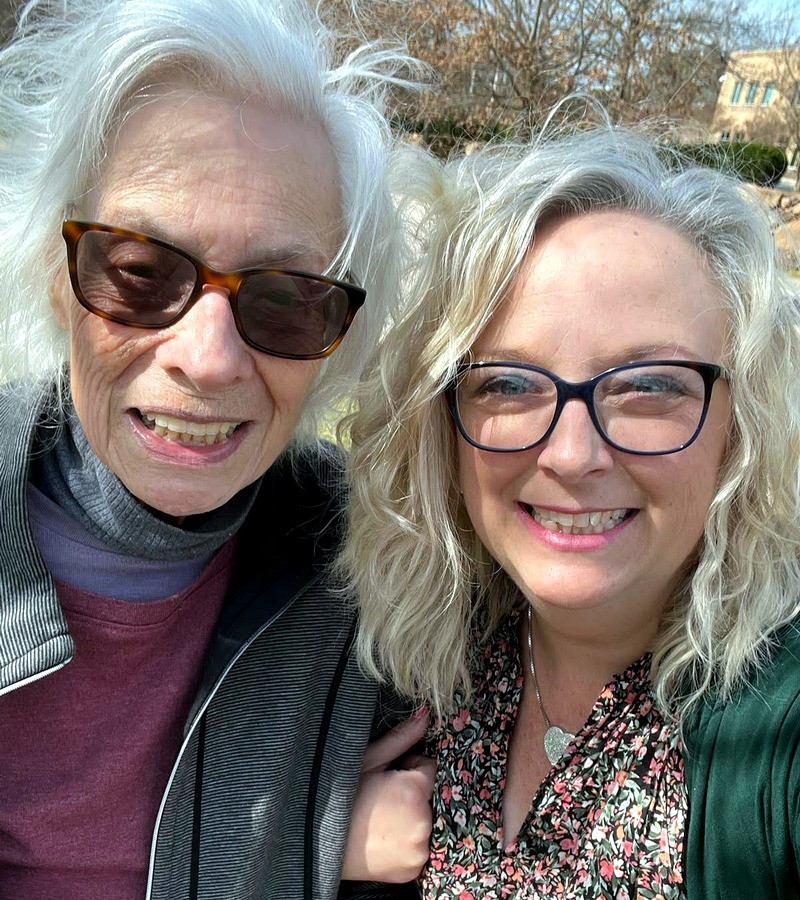
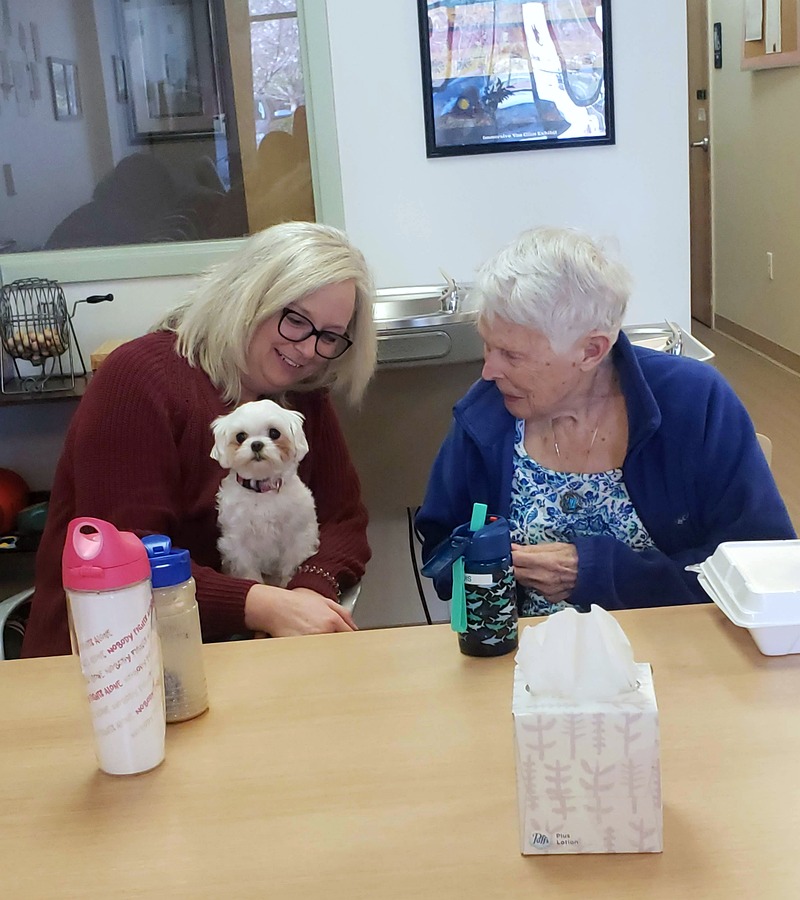
When something suddenly goes wrong, you do not have to handle it alone. A fall. A hospitalization. A dementia crisis. A sudden decline. A hospital discharge you were not prepared for. These moments leave families overwhelmed, exhausted, frightened, and forced to make important decisions quickly. Aging Care Matters provides rapid-response aging care support throughout the Triangle, including Raleigh, Durham, Chapel Hill, and Wake Forest. We help families during: In many situations, we can provide same-day or rapid support to help families stabilize the situation, understand options, coordinate care, and create a safer plan moving forward. Most hospital discharge planners genuinely care and work incredibly hard — but today’s hospital systems are overwhelmed, fast-moving, and under enormous pressure to free beds quickly. Families are often handed a stack of paperwork late in the day and expected to suddenly coordinate medications, follow-up appointments, equipment, home care, rehabilitation decisions, transportation, safety concerns, and caregiving plans with very little guidance or preparation. Important details can easily fall through the cracks: We have helped families recover from situations involving medication mistakes after discharge, unsafe returns home for individuals unable to walk independently, dementia patients discharged without adequate supervision plans, and exhausted spouses suddenly expected to provide near-total care overnight. Our role is to help families slow the process down, ask the right questions, identify risks, coordinate support, and create a safer, more realistic transition plan. When a loved one is hospitalized, families are often overwhelmed by medical information, rushed decisions, changing recommendations, and fear about what happens next. Our role is to provide experienced bedside advocacy, guidance, and support during one of the most stressful moments a family can face. Depending on the situation, services may include: Families often tell us the greatest relief is simply having someone experienced at the bedside who understands both the medical system and the realities families face once they return home. The period between hospitalization, rehabilitation, and returning home is when many families feel the most overwhelmed. We help coordinate the critical details that are often difficult to manage during a stressful and fast-moving transition. Services may include: Our goal is to help families avoid preventable complications, unnecessary readmissions, and the overwhelming feeling of being left to “figure it all out” alone after discharge. The first few weeks after a hospitalization are often the most fragile and overwhelming for both older adults and caregivers. Nationally, nearly 1 in 5 seniors is readmitted to the hospital within 30 days — often due to falls, medication confusion, lack of support, poor follow-up, or unrealistic discharge plans. This is where ongoing oversight and advocacy can make a critical difference. During the post-hospital transition period, we may provide: Families often tell us that the weeks after discharge feel far more difficult than the hospitalization itself. Our role is to help create a safer, more supported transition while reducing confusion, overwhelm, and preventable setbacks. An 82-year-old woman with worsening confusion was scheduled to be discharged home alone after a hospitalization for a fall. Her out-of-state daughter felt something was “not right” but did not know how to challenge the discharge plan. Aging Care Matters attended care discussions, identified significant safety concerns, and advocated for short-term rehabilitation instead of an unsafe return home. The family later shared they believe the intervention prevented another hospitalization — or worse — within days of discharge. A husband contacted us exhausted and overwhelmed after his wife with dementia began wandering outside at night and refusing care. The family was in constant crisis mode and disagreements between adult children were escalating quickly. We assessed safety concerns, coordinated immediate in-home support, facilitated a family meeting, and helped implement structure and supervision while longer-term plans were developed. Within weeks, the home environment was safer, caregiver stress was reduced, and the family had a clearer path forward. A son living in California received repeated emergency calls about his father in Durham missing medications, falling, and forgetting appointments. He felt helpless trying to manage everything remotely while balancing work and family responsibilities. Aging Care Matters coordinated medical follow-up, arranged local support services, completed home visits, and provided ongoing communication through our MyJunna system. The son later shared that for the first time in months, he felt like someone competent was helping him carry the responsibility instead of waiting for the next crisis call. When families are in crisis, timing matters. For urgent situations, we often provide: Because every crisis is different, availability depends on the nature of the situation, location, current caseload, and scheduling logistics. While we cannot guarantee immediate in-person response in every circumstance, we do our best to respond quickly, honestly, and realistically when families need support most. If we are not the right fit for a particular situation or timing need, we will do our best to help guide families toward appropriate next steps or resources rather than leaving them without direction. If your family is facing a hospitalization, sudden decline, unsafe situation, dementia crisis, or overwhelming caregiving stress, you do not have to navigate it alone. Our free consultation gives families an opportunity to quickly talk through the situation with an experienced aging care professional, understand immediate priorities, and determine what support may help stabilize the crisis and create a safer plan moving forward. Call 919-525-6464 now to speak with our team. Sometimes one conversation can bring more clarity and relief than families have felt in weeks.
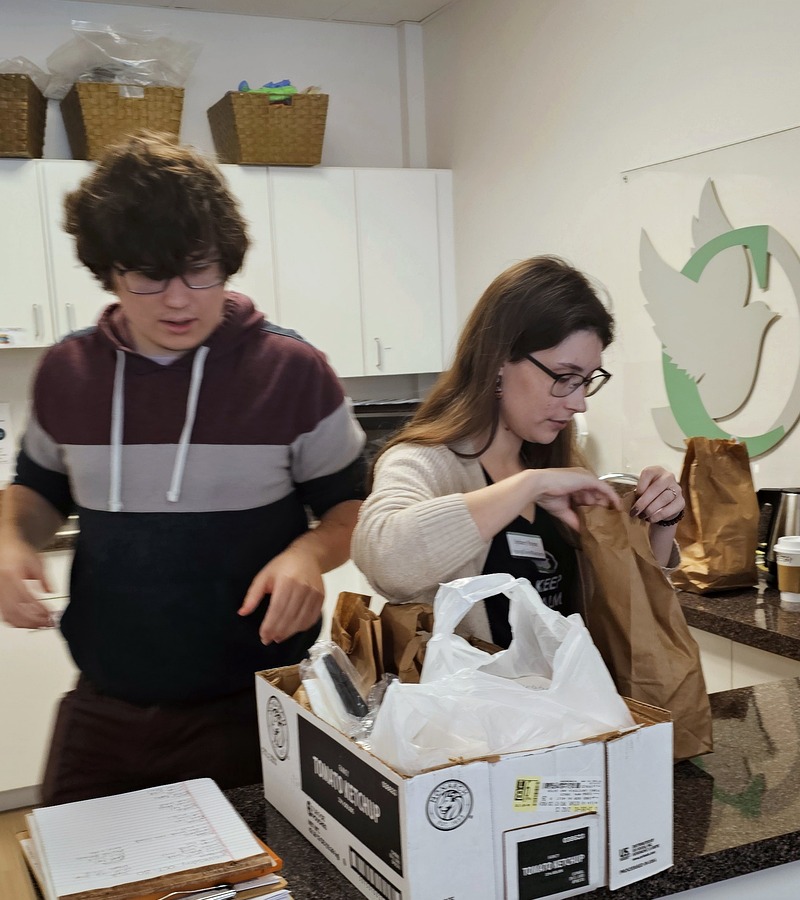
Crisis Intervention & Hospital Transition Support
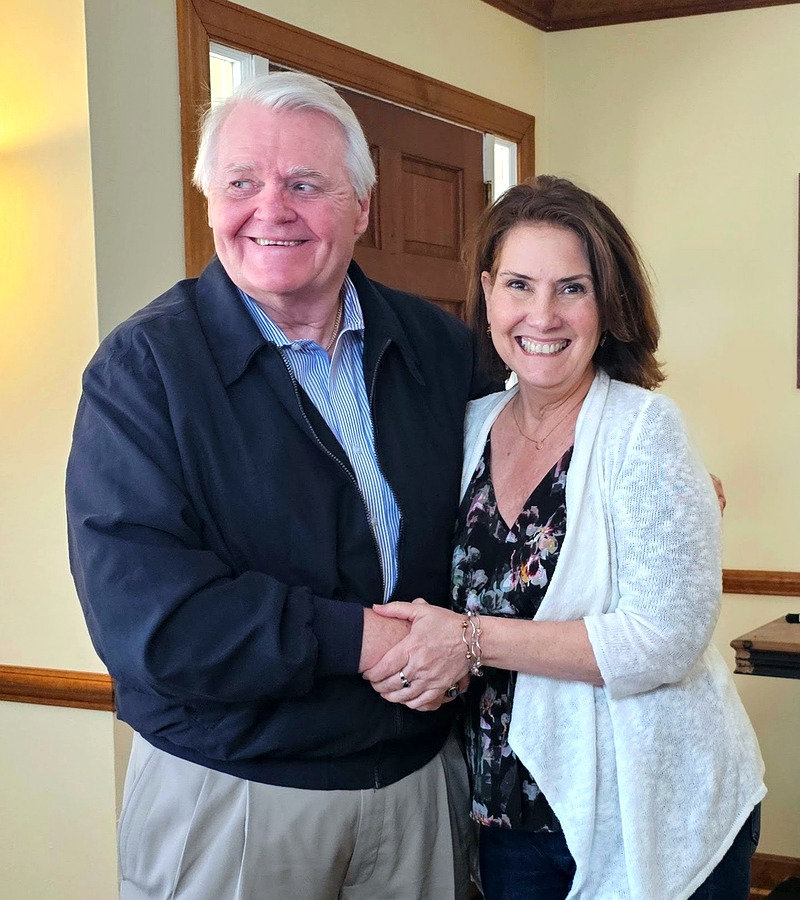
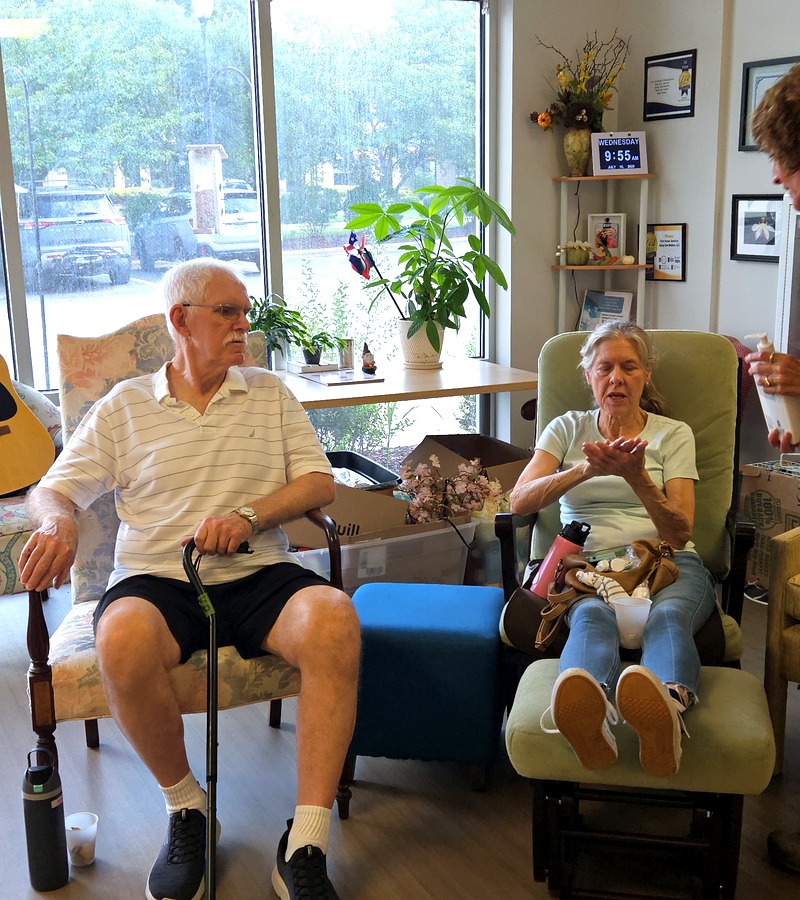
Common Aging Care Crises We Help Families Navigate
The Problem With Hospital Discharges
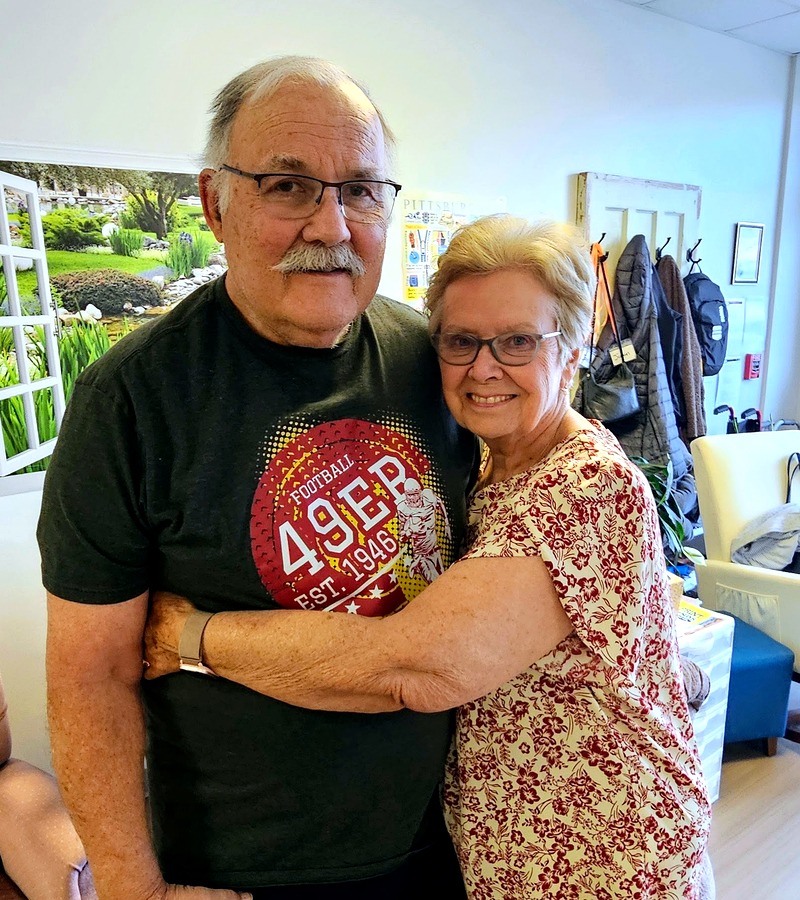
How We Support Families During Hospitalizations
What We Help Coordinate During Hospital & Rehab Transitions

The First 30 Days Home: The Highest-Risk Period
A Few Family Stories
Unsafe Hospital Discharge Avoided
Dementia Crisis Stabilized
Long-Distance Family Regained Control
How Quickly Can We Help?
A Note From Carla, Our Owner and Founder