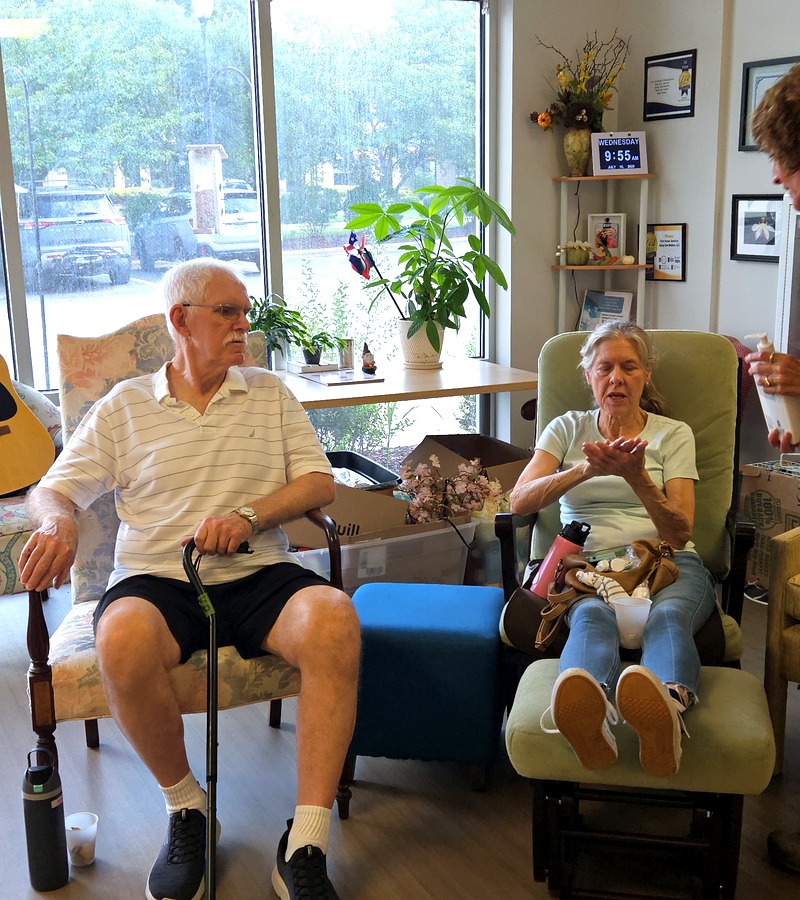
A comprehensive care assessment is the foundation of every care plan we build for a family. Before anyone can make good decisions about safety, support, memory concerns, caregiving needs, or future planning, families first need a clear understanding of what is truly happening and what level of help is actually needed. Many families initially believe they only need “a little help,” but the turning point often comes when problems begin affecting multiple areas at once — repeated falls, worsening memory issues, medication mistakes, hospitalizations, caregiver exhaustion, safety concerns, or growing conflict within the family. Most families only see part of the picture at first. They may recognize the medical issues, worry about memory loss, or know that housing changes are becoming necessary — but rarely does anyone have a full understanding of how health, safety, daily functioning, cognition, caregiving stress, finances, and family dynamics interact. Without that full picture, families often end up making decisions reactively during moments of crisis, fear, exhaustion, or pressure from hospitals and outside systems. A comprehensive assessment helps families slow down, understand what is truly happening, identify current and future risks, and create a more informed, proactive plan for care and decision-making. Medical – We review current diagnoses, medications, healthcare providers, recent hospitalizations, medical concerns, and overall health management. Functional – We evaluate how independently a person manages daily activities such as bathing, dressing, mobility, meals, medications, driving, shopping, and household tasks. Cognitive – We assess memory, judgment, decision-making, confusion, orientation, and potential cognitive changes through observation and screening tools, when appropriate. Social – We explore family relationships, support systems, caregiver stress, social engagement, emotional well-being, and risk for loneliness or isolation. Environmental – We assess home safety concerns, including fall risks, accessibility challenges, wandering, medication management, and overall living conditions. Financial – We discuss available resources, insurance coverage, caregiving budgets, and other financial considerations that may impact care planning and future options. Families are often nervous before the first assessment visit, unsure if it will feel clinical, uncomfortable, or overwhelming. In reality, most families describe the experience as a supportive conversation that finally helps everything start making sense. A typical home assessment lasts approximately 2–3 hours, depending on the complexity of the situation. We usually meet with the older adult along with the primary family caregiver, and sometimes additional family members or siblings if appropriate. During the visit, we: The assessment is conversational and relationship-focused — not an interrogation or judgment of the family or older adult. Following the visit, families receive professional documentation outlining observations, concerns, recommendations, and practical next steps to help guide future care decisions and planning. When appropriate, we may use brief cognitive screening tools such as the Mini-Cog, MoCA (Montreal Cognitive Assessment), or other observational screening measures to help identify possible concerns involving memory, attention, problem-solving, language, judgment, or executive functioning. These screenings can help families better understand whether cognitive changes may be affecting daily life, safety, medication management, decision-making, or independence. It is important to understand that these are screening tools only — not formal diagnostic evaluations. They do not diagnose dementia, Alzheimer’s disease, or other neurological conditions and do not replace comprehensive neuropsychological testing, a neurologist’s evaluation, or medical diagnosis by a physician. Our goal is to help families recognize concerns early, identify patterns that may need further evaluation, and provide practical guidance regarding next steps, safety, and support. During an assessment, we carefully review medications and medication routines because medication-related issues are one of the most common contributors to falls, confusion, hospitalizations, and declining independence in older adults. We look for concerns such as: Our role is to help identify possible concerns and communicate observations to the family and healthcare team. We do not prescribe, discontinue, or change medications ourselves — we work collaboratively with the primary physician, specialists, pharmacists, and other providers to support safer medication management and informed decision-making. Many families assume the home is safe simply because it feels familiar. During our assessment, we look at the environment through the lens of aging, memory changes, mobility limitations, and real-world daily functioning. We evaluate concerns such as: Our goal is not to criticize the home or family — it is to identify practical ways to improve safety while helping older adults remain as independent as possible. One of the most common issues we find is fall risk hidden in plain sight — especially throw rugs, poor nighttime lighting, and unsafe bathroom setups. Families often become so accustomed to the home environment that they no longer notice how dangerous certain everyday areas have become for an aging loved one. Following the assessment, families receive a personalized written care plan designed to turn concerns and observations into clear, practical next steps. The plan includes: The care plan may address areas such as: The written plan is provided to the family and, when appropriate and authorized, can also be shared with designated professionals such as physicians, elder law attorneys, therapists, financial planners, or other care providers involved in the older adult’s care. Most importantly, the care plan becomes a roadmap families can actually use — helping move everyone from uncertainty and crisis response toward organized, informed decision-making and coordinated support. A typical in-home assessment visit lasts approximately 2–3 hours, depending on the complexity of the situation and the number of concerns being addressed. Following the visit, families typically receive their written care plan within 5–7 business days. The plan includes observations, recommendations, priorities, resources, and practical next steps tailored to the family’s specific situation. Many families also choose to schedule an optional 1-hour family debrief session to review recommendations, ask questions, discuss concerns, and prioritize next steps together. This can be especially helpful when multiple family members are involved in decision-making. Average costs $300-$600. Every family’s situation is different, which is why there is no one-size-fits-all next step after the assessment and care plan are completed. 1. Use the Plan Independently – Some families simply want expert guidance, recommendations, and a roadmap they can implement on their own. The care plan provides practical direction and prioritized next steps that the family can move forward with independently. 2. Enroll in Ongoing Care Management – Some families choose to continue with our Monthly Care Management Programs for ongoing oversight, advocacy, coordination, support, and problem-solving as needs change over time. 3. Engage Us for Specific Tasks or Short-Term Support – Other families only need help with one or two specific situations, such as: There is no pressure to choose any particular path. Our goal is simply to help families gain clarity, support, and practical solutions based on what feels most helpful for their unique situation. When families are overwhelmed, it can feel impossible to know what problem to solve first. A comprehensive assessment helps provide clarity, direction, and a realistic plan. Whether you are worried about memory loss, safety, caregiving stress, hospitalizations, living alone, or simply feeling unsure what comes next, the assessment is often the turning point from reacting to crises toward making informed, confident decisions. Call 919-525-6464 or schedule your assessment today to begin creating a clearer path forward for your loved one and family.
Our Initial Care Assessment
Learn More
Contact Our Team

Why a Comprehensive Assessment Matters
What We Evaluate During a Comprehensive Assessment
What to Expect During a Home Assessment Visit
Cognitive Screening During an Assessment
Medication & Safety Concerns We Review

What’s Included in a Home Safety Assessment?
The Most Common Safety Issue Families Miss
Your Written Care Plan

How Long Does the Assessment Process Take?
What Happens After the Care Plan is Completed?
Families typically choose one of three paths:

A Note From Carla, Our Owner and Founder
