Families are often surprised to learn that enrolling in adult day care is much simpler, more supportive, and less overwhelming than they expected. At ACM, we walk families through each step of the process personally — answering questions, explaining paperwork, coordinating required forms, and helping everyone feel comfortable before the first day ever begins. One of the biggest worries families bring up is, “What if my loved one refuses?” or “What if we’re not ready yet?” Many caregivers fear the process will feel clinical, complicated, or upsetting for their loved one. In reality, most families tell us the anticipation was far harder than the actual transition. Our team takes time to build trust slowly, create familiarity and routine, and support both the participant and caregiver through the adjustment period with compassion, patience, and reassurance. Timeline: Same day or within 24 hours Call, email, or complete our contact form. We will answer questions, explain our programs, and help determine whether adult day care may be a good fit. Timeline: Typically scheduled with your initial inquiry to schedule a visit to the closest of our three locations, meet our staff, observe the environment, and experience firsthand the warmth, structure, and engagement our centers provide. Families are encouraged to bring their loved one whenever possible. Timeline: Usually completed during or shortly after the tour. Our team reviews medical history, cognitive and physical needs, routines, behaviors, dietary needs, medications, mobility, and overall care goals to ensure we can safely and appropriately support your loved one within our adult day setting. Timeline: Enrollment can often begin within days Once enrollment paperwork is complete and physician’s form returned, families select their attendance schedule and become part of the ACM community. From day one, our team continues to support both the participant and the caregiver through ongoing communication, guidance, and relationship-centered care. When you contact ACM, you will speak with a real person — often one of our Center Directors or ACM owner Carla Payne — not a chatbot or call center. Our goal is simply to listen, learn about your family’s situation, answer questions, and help determine whether adult day care may be the right fit for your loved one. The initial conversation usually takes about 15 minutes. We may ask about your loved one’s diagnosis or memory concerns, current living situation, mobility, daily routines, caregiver stress, medical needs, behaviors, and what type of support your family is looking for right now. After the call, we typically send an information packet, pricing details, enrollment information, and options for scheduling a personal tour and assessment at one of our three Triangle locations. Most families tell us they feel relieved after the very first conversation because they finally feel like someone understands what they are carrying. A personal tour is one of the best ways to determine whether ACM feels like the right fit for your loved one and your family. Tours typically last about 45 minutes and give families an opportunity to experience the environment, observe activities, meet staff, ask questions, and get a true feel for the daily rhythm and atmosphere of the center. Families are encouraged to bring any questions they may have about dementia care, routines, meals, activities, adjustment periods, behavioral support, scheduling, pricing, communication, or future care planning. We understand this is often an emotional step, and our goal is never to pressure families — only to provide honest guidance, support, and information so families can make the best decision for their loved one. Families are relieved to find the process is far more manageable than they expected, and our team helps guide them through every step along the way. Required forms typically include: Starting something new can feel emotional for both caregivers and participants, but most families tell us the anticipation is far harder than the actual first day. Our team is experienced in helping older adults gently transition into the center with reassurance, patience, structure, and warmth so everyone feels as comfortable as possible. Families are encouraged to send: Emergency contact information and identification forms have already been completed through enrollment The evening before, keep conversations calm, reassuring, and simple. Avoid overwhelming explanations or repeatedly asking if they “want to go.” Instead, present the day confidently and positively as part of the routine. The morning of, maintain a calm pace and avoid long emotional goodbyes, which can sometimes increase anxiety or resistance. Short, reassuring phrases are often most helpful, such as: “You’re going to spend the day with friends while I run errands/work.” At pickup, staff will share how the day went, including participation, meals, mood, social interaction, activities enjoyed, any concerns, and how your loved one adjusted overall. It is very normal for participants to need time to adjust to adult day care. Many families worry after the first few days, but most participants become much more comfortable by week 2 or 3 as routines, staff, and other participants become familiar. To help participants adjust, ACM asks families not to send cell phones with their loved one unless discussed with staff beforehand. During the adjustment period, participants may call family members many times throughout the day asking to go home or asking when they are being picked up. While understandable, repeated phone calls often increase anxiety and make settling into the routine more difficult. Our staff are trained in dementia-informed communication, reassurance, validation, and gentle redirection. We consistently reassure participants that their family is returning and help redirect attention toward conversation, activities, meals, music, and social connection. Starting the process can feel overwhelming — but you do not have to figure it out alone. Our team will guide you through every step, answer your questions, and help determine whether our Adult Day Center is the right fit for your loved one and family. We invite you to schedule a tour, meet our team, and begin the application process with support, compassion, and honest guidance along the way. Our Adult Day Centers are open Monday–Friday from 7:30 AM to 5:30 PM, providing families peace of mind during the workday while offering participants a structured, engaging day. Rates vary based on attendance schedule. 1–2 days per week: $112/day Rates include meals, snacks, activities, social engagement, supervision, and support throughout the day. We accept: We do not currently provide transportation. As a social model Adult Day Center, we are best suited for individuals who: A higher level of care may be needed for individuals with: We understand that transitions can be emotional and adjustment periods are normal. Our team is trained in dementia-informed approaches and redirection techniques. We work closely with families to identify triggers, calming strategies, routines, and successful approaches that help participants feel safe and supported. Behavior is communication – and partnership with families is key. Our centers are closed on major holidays, including: Families receive a yearly holiday calendar in advance so they can plan accordingly. The families who have the smoothest transitions usually avoid presenting adult day care as “care” at all. The most successful framing we see is:“We found a place where people gather during the day – good meals, conversation, activities, music, games, and people your age. We thought you might enjoy trying it once a week.” What works best is focusing on: Families are often surprised that resistance decreases when they avoid words like: Instead, successful families tend to describe it as:
Enrollment Made Simple
Easy Enrollment Process
1. Initial Inquiry
2. Personal Tour
3. Assessment & Care Review
4. Enrollment & Ongoing Support
Step 1: What to Expect on Your First Call
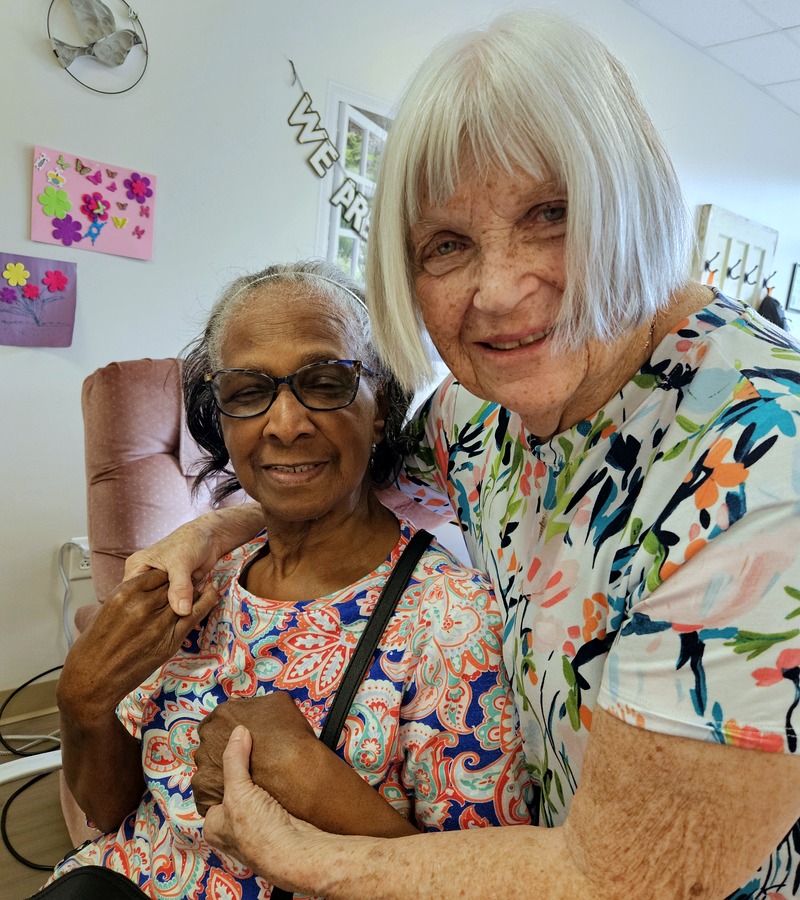

Step 2: Visiting the Center: What to Expect During a Tour
Whenever possible, we encourage the prospective participant to attend the tour along with the primary family caregiver. During the visit, families often look for warmth between staff and participants, activity engagement, cleanliness, safety, noise level, participant interaction, and whether the environment feels welcoming, calm, and respectful.
Step 3: Health and Functional Assessment
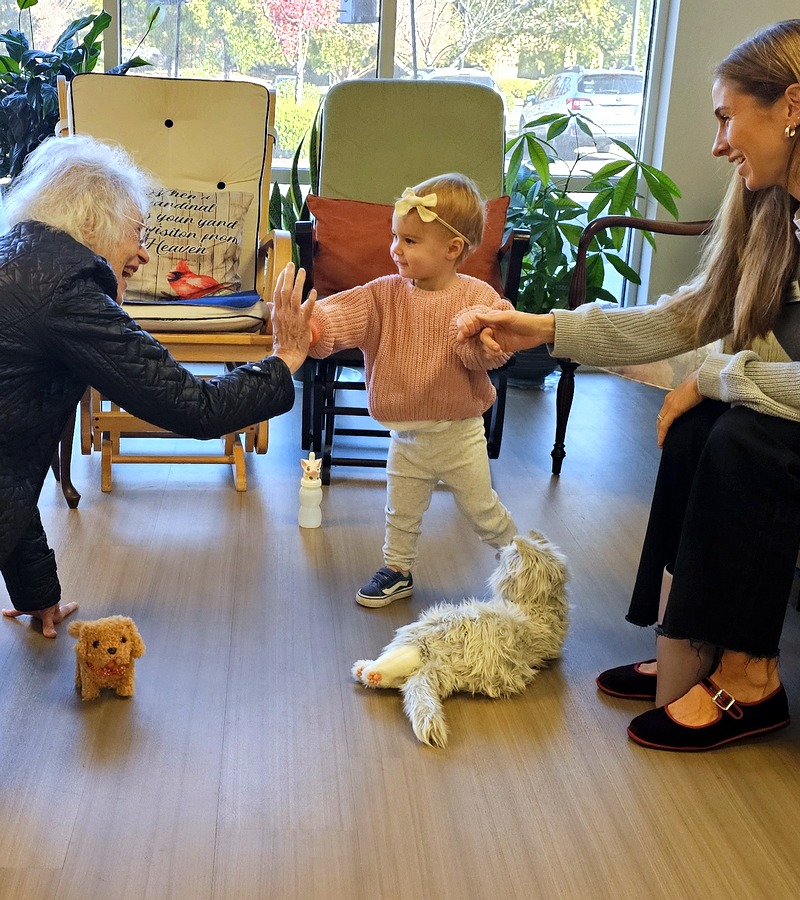
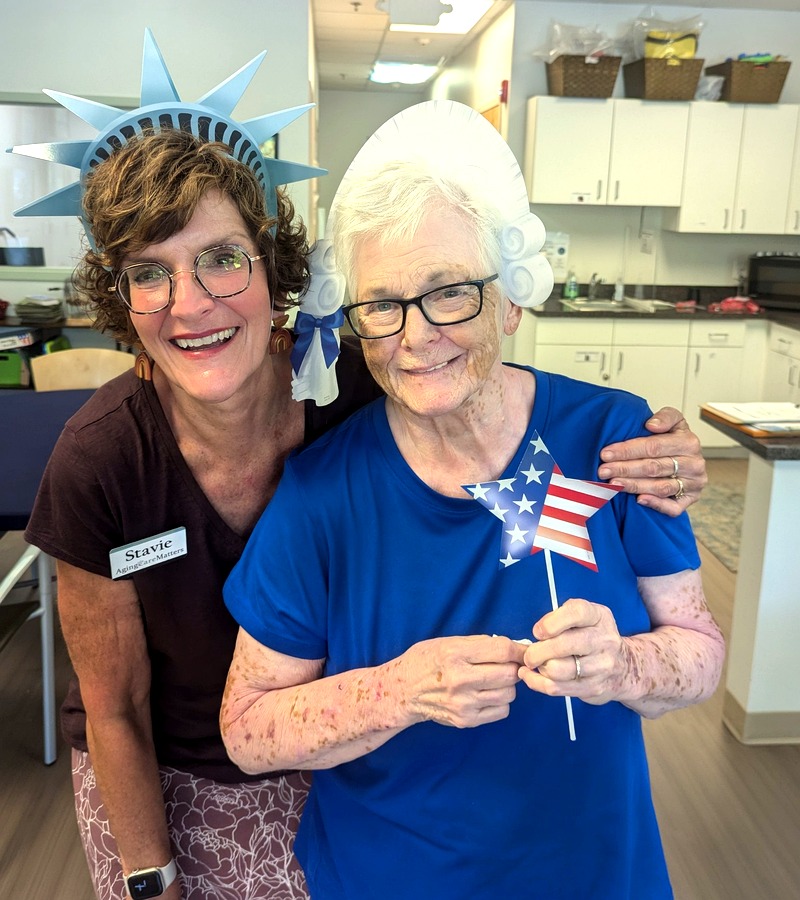
Step 4: The First Day
What to Bring
How to Prepare Your Loved One
“I’ll be back this afternoon.”
“They’re expecting you today.”What Families Can Expect Afterward
Step 5: Enrollment & First Few Weeks
What Families Should Expect:
Our Cell Phone Policy
How ACM Supports the Transition
Important Reassurance for Families

A Note From Carla, Our Owner and Founder
Wake Forest
Durham West
Frequently Asked Admission Questions
What are your hours?
How much does Adult Day Care cost?
3 or more days per week: $100/dayDo you accept Medicaid or other funding programs?
Do you provide transportation?
What conditions or care needs may not be appropriate for your program?
What happens if a participant is resistant or has behavioral challenges?
Are you open on holidays?
What’s the Most Successful Way Families Introduce Adult Day Care?
